Introduction to Laser Photoelectric Sensor Technology
Laser photoelectric sensors represent a pinnacle of precision in industrial sensing technology. Utilizing a focused beam of laser light, these devices detect the presence, absence, or position of objects with exceptional accuracy and reliability. Unlike standard photoelectric sensors that use LED light, laser sensors provide a highly collimated beam, enabling precise detection of very small objects or measurements over long distances. The core principle involves emitting a laser beam towards a target; the sensor then analyzes the reflected or interrupted light to determine the object's characteristics. This technology is indispensable in applications demanding micron-level precision, such as semiconductor manufacturing, precision assembly, and high-speed packaging. The evolution of laser diodes and advanced optics has continuously pushed the boundaries of what these sensors can achieve, making them more compact, energy-efficient, and robust for harsh industrial environments.
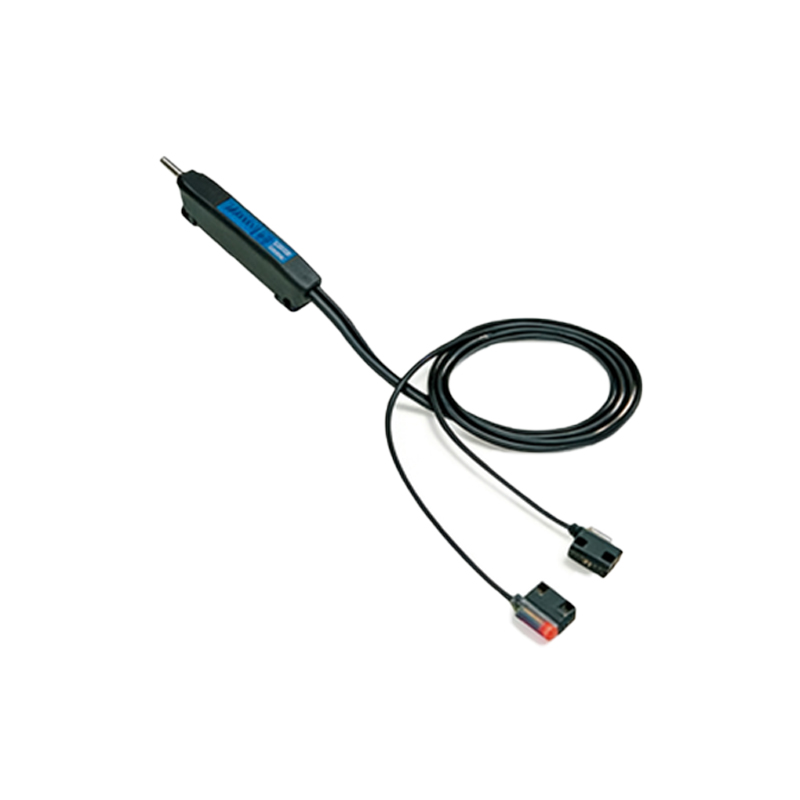
Key Features of Top-Tier Manufacturers
Leading laser photoelectric sensor manufacturers distinguish themselves through a relentless focus on innovation, quality, and application support. A primary hallmark is the development of sensors with superior optical systems, offering extremely small spot sizes and stable beam characteristics even in environments with vibration or thermal fluctuation. Advanced models incorporate background suppression technology, allowing them to ignore reflective backgrounds and detect only the target object. Furthermore, industry leaders integrate smart functionalities such as IO-Link communication, enabling parameter setting, condition monitoring, and seamless integration into Industry 4.0 and IIoT frameworks. Durability is another critical factor; top manufacturers design their sensors with high-grade housings (often IP67 or IP69K rated) to withstand dust, moisture, washdowns, and mechanical impacts. Comprehensive technical documentation, global support networks, and customizable solutions are also defining traits of a premier supplier in this competitive field.
Applications Across Modern Industries
The application spectrum for laser photoelectric sensors is vast and continually expanding. In the automotive industry, they are crucial for robotic welding guidance, part presence verification on assembly lines, and precise gap measurement between body panels. The electronics and semiconductor sectors rely on them for wafer handling, chip positioning, and detecting minute components on PCBs. In packaging and logistics, these sensors ensure accurate label placement, count products on high-speed conveyors, and verify package dimensions. Furthermore, they play a vital role in quality control processes, such as detecting surface defects, measuring thickness, and ensuring fill levels in transparent containers. Their ability to perform reliably in challenging conditions—dealing with glossy, transparent, or fast-moving objects—makes them a versatile tool for engineers aiming to enhance automation efficiency and product quality.
Selection Criteria for Optimal Performance
Choosing the right laser photoelectric sensor requires a careful analysis of the application's specific demands. The first consideration is the sensing mode: diffuse reflective, retro-reflective, or through-beam, each suited for different object properties and installation constraints. Through-beam models, with separate emitter and receiver, offer the longest sensing range and highest reliability for clear object detection. Key technical specifications to evaluate include sensing distance, spot size, response time, and repeat accuracy. Environmental factors are paramount; one must consider ambient light conditions, temperature extremes, and potential exposure to contaminants. The electrical output type (PNP/NPN, analog, or digital) and connectivity options must align with the existing control system. Finally, ease of setup and configuration, often aided by built-in pushbuttons or software tools, significantly reduces commissioning time and minimizes potential errors, ensuring the sensor performs optimally from day one.
Future Trends and Technological Advancements
The future of laser photoelectric sensing is being shaped by several converging trends. Miniaturization continues, allowing sensors to fit into increasingly compact machinery. There is a strong push towards greater intelligence at the edge, with sensors incorporating more onboard processing power to perform preliminary data analysis and make simple decisions independently. Enhanced connectivity beyond standard protocols will facilitate deeper integration into digital twin and predictive maintenance systems. Another exciting development is the advancement of multi-functional sensors that combine distance measurement, contrast detection, and color recognition in a single device. Furthermore, improvements in laser safety classifications (e.g., Class 1) are making powerful sensors safer and easier to deploy without extensive safety enclosures. Manufacturers investing in these areas are poised to lead the market, providing solutions that address the growing complexity and connectivity needs of smart factories.