Introduction to Proximity Sensor Power Types
Proximity sensors are essential components in industrial automation, detecting the presence or absence of objects without physical contact. A common question among engineers and technicians is whether these sensors operate on AC (alternating current) or DC (direct current) power. The answer is not straightforward, as proximity sensors are available in both AC and DC variants, each designed for specific applications and environments. Understanding the differences between AC and DC proximity sensors is crucial for selecting the right sensor for a given system, ensuring reliability, safety, and optimal performance. This article delves into the technical aspects, advantages, and typical use cases of both types, providing a comprehensive guide for professionals in the electrical and automation industries.
AC Proximity Sensors: Characteristics and Applications
AC proximity sensors are powered by alternating current, typically in the range of 20-250V AC. These sensors are known for their robustness and ability to handle high-voltage industrial environments. One key feature of AC sensors is their inherent noise immunity, making them suitable for applications with electrical interference, such as near motors or welding equipment. They often incorporate solid-state switching elements like thyristors or triacs, which allow for direct control of AC loads without additional relays. Common applications include conveyor systems, machine tools, and heavy machinery where AC power is readily available. However, AC sensors may have slower response times compared to DC versions and can generate more heat due to power dissipation in switching components.
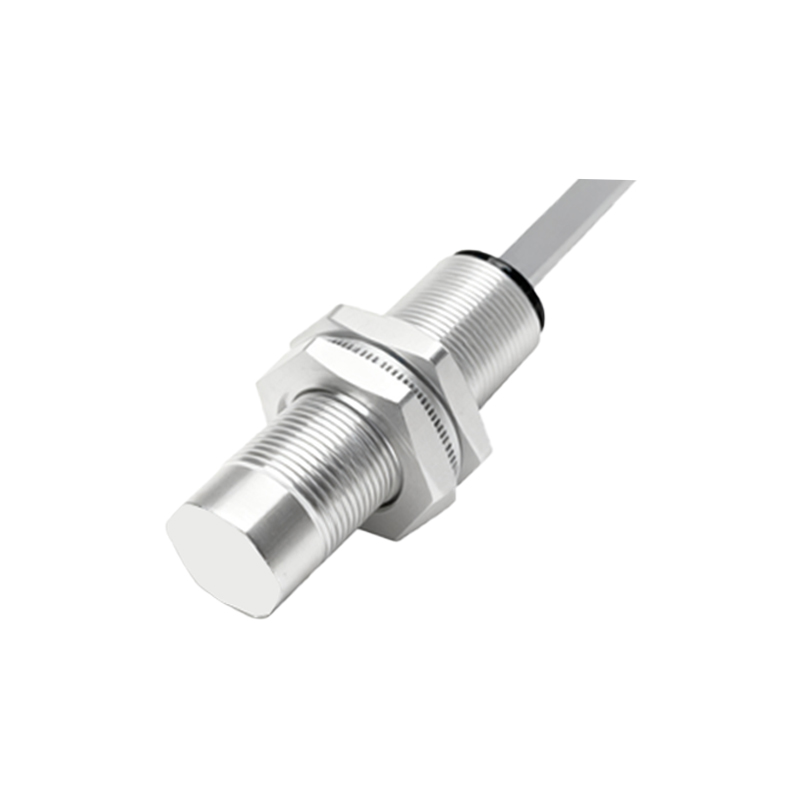
DC Proximity Sensors: Features and Benefits
DC proximity sensors operate on direct current, usually at low voltages like 10-30V DC. They are widely preferred in modern automation systems due to their fast response times, energy efficiency, and compatibility with programmable logic controllers (PLCs) and microcontrollers. DC sensors use transistors (NPN or PNP) for switching, enabling precise control and minimal power consumption. They are ideal for sensitive electronic circuits, battery-operated devices, and environments requiring frequent switching, such as packaging machines or robotic arms. Additionally, DC sensors offer better resolution and can detect smaller objects, making them suitable for high-speed applications. A drawback is their susceptibility to electrical noise, which may require shielding or filtering in noisy industrial settings.
Key Differences Between AC and DC Proximity Sensors
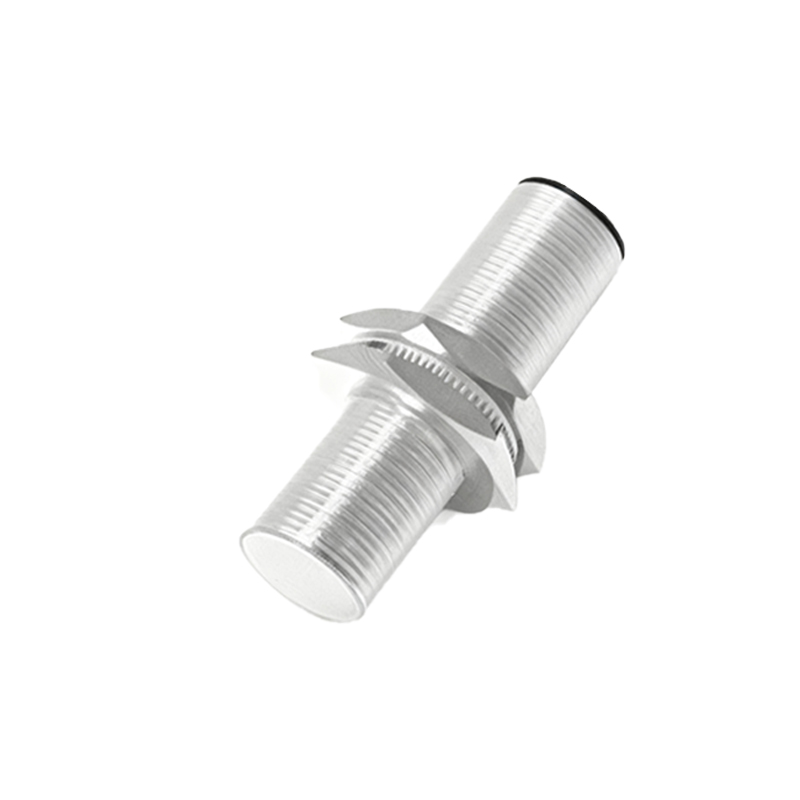
The primary distinction between AC and DC proximity sensors lies in their power supply and internal circuitry. AC sensors handle higher voltages and are built for durability in harsh conditions, while DC sensors excel in low-voltage, high-speed scenarios. In terms of wiring, AC sensors often have two-wire configurations, simplifying installation but potentially causing leakage current issues. DC sensors typically use three-wire setups (positive, negative, and signal), providing better isolation and control. Response time is another critical factor: DC sensors can switch in microseconds, whereas AC sensors may take milliseconds. Cost-wise, DC sensors are generally more affordable and versatile, but AC sensors may be necessary for legacy systems or specific safety standards.
Selection Criteria for Industrial Applications
Choosing between AC and DC proximity sensors depends on several factors, including power availability, environmental conditions, and performance requirements. In facilities with predominant AC power, AC sensors might reduce the need for additional power supplies. For applications involving high-speed counting or positioning, DC sensors are preferable due to their rapid response. Engineers should also consider load compatibility—AC sensors directly switch AC loads, while DC sensors require interfaces for AC control. Noise immunity is vital in areas with electromagnetic interference; AC sensors often perform better here. Lastly, maintenance and replacement parts availability should influence the decision, as mixing sensor types in a system can lead to compatibility issues.
Future Trends and Hybrid Solutions
The evolution of proximity sensor technology is leaning towards hybrid and universal designs that accommodate both AC and DC power. Some modern sensors feature wide-range input capabilities (e.g., 20-250V AC/DC), allowing flexibility in diverse industrial setups. These universal sensors reduce inventory costs and simplify troubleshooting. Additionally, advancements in semiconductor technology are improving the efficiency and noise resistance of DC sensors, bridging the gap with AC variants. As Industry 4.0 and IoT integration expand, smart sensors with digital communication protocols (like IO-Link) are becoming common, enabling real-time monitoring and diagnostics regardless of power type. Professionals should stay updated on these trends to optimize system design and maintenance.
Conclusion and Best Practices
In summary, proximity sensors can be either AC or DC, each serving distinct roles in industrial automation. AC sensors are robust for high-voltage, noisy environments, while DC sensors offer speed and precision for low-voltage applications. When selecting a sensor, assess the power supply, operational speed, environmental factors