Understanding the Core Technology
Infrared (IR) proximity sensors are fundamental components in modern automation and electronic systems. They operate on a simple yet effective principle: emitting an invisible beam of infrared light and detecting its reflection from a nearby object. The sensor typically consists of an IR LED emitter and a photodiode or phototransistor receiver. When an object enters the detection field, the emitted IR light reflects off its surface and returns to the receiver. The sensor's internal circuitry then processes this signal, often measuring the intensity or the time-of-flight of the reflected light to determine the object's presence and, in more advanced models, its approximate distance. This non-contact detection method makes IR sensors ideal for applications where physical touch is undesirable or impractical.
Key Advantages in Industrial and Consumer Applications
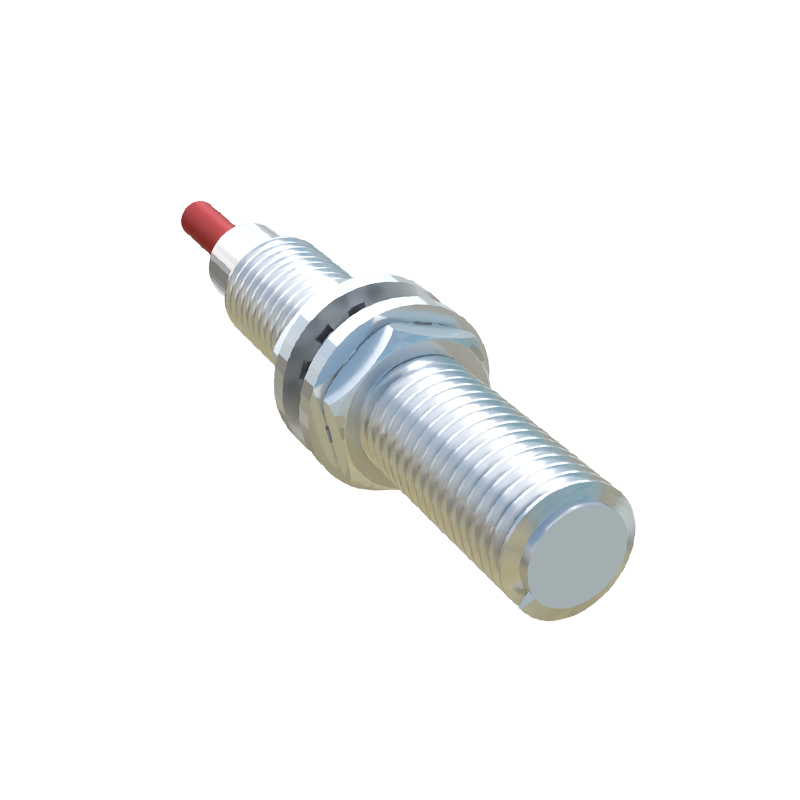
The widespread adoption of IR proximity sensors is driven by several compelling advantages. Their primary benefit is non-contact operation, which eliminates mechanical wear and tear, ensuring high reliability and a long operational lifespan. They are generally insensitive to ambient audible noise and can function effectively in various lighting conditions, although direct sunlight can sometimes cause interference. Furthermore, modern IR sensors are compact, energy-efficient, and cost-effective for mass production. These attributes make them versatile solutions for diverse environments, from clean factory floors to everyday consumer devices, providing a robust and maintenance-free sensing option.
Common Types and Operational Modes
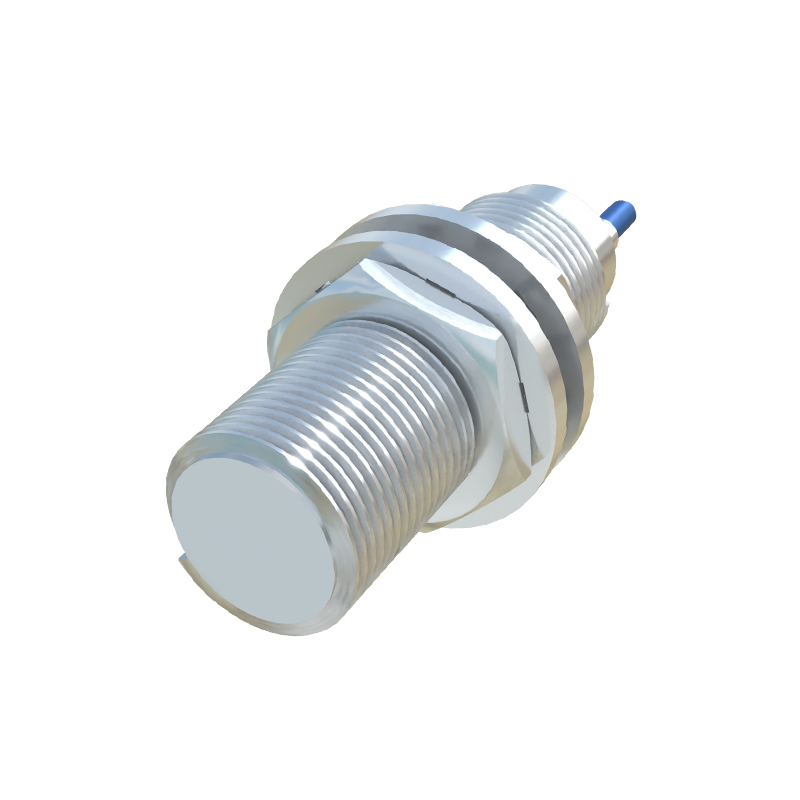
IR proximity sensors are primarily categorized by their operational mode. The most common type is the diffuse or reflective sensor, where the emitter and receiver are housed in the same unit. Detection occurs when the emitted light reflects off a target back to the receiver. Another type is the through-beam sensor, which features separate emitter and receiver units placed opposite each other. An object is detected when it breaks the continuous IR beam between them, allowing for very long sensing ranges and high precision. A third variant is the retro-reflective sensor, which uses a single housing with both elements and a dedicated reflector; detection happens when the beam to and from the reflector is interrupted.
Critical Application Areas
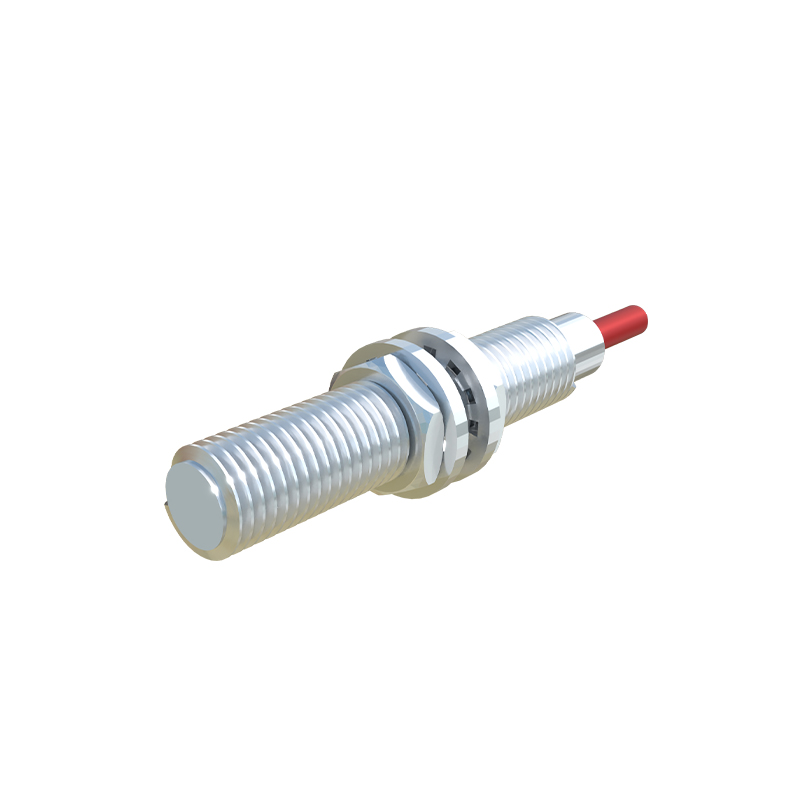
The applications for IR proximity sensors are vast and cross multiple industries. In industrial automation, they are ubiquitous for object detection on conveyor belts, jam detection in machinery, and counting products. The consumer electronics sector relies heavily on them for smartphone screen blanking during calls, automatic faucets and towel dispensers, and robotics for obstacle avoidance. In the automotive industry, they are integrated into systems for parking assistance and blind-spot monitoring. Additionally, they play a crucial role in security systems for detecting unauthorized entry and in interactive displays for touchless gesture control, a feature that gained significant importance in public health contexts.
Important Selection Criteria for Engineers
Selecting the appropriate IR proximity sensor requires careful consideration of several technical parameters. The sensing range is paramount and must match the specific application's needs, from a few centimeters to several meters. The response time determines how quickly the sensor can detect a change, which is critical for high-speed automation. Environmental factors such as the target object's color, material, and surface finish (glossy vs. matte) significantly affect reflectivity and, thus, performance. Operating temperature range, supply voltage requirements, and output type (digital or analog) are also key electrical considerations. Engineers must also evaluate potential optical interference from other IR sources or ambient light.
Overcoming Practical Challenges and Limitations
Despite their advantages, IR sensors present certain challenges that engineers must address. A primary limitation is their performance with transparent or black objects, which may absorb or transmit IR light rather than reflect it sufficiently, leading to detection failures. Variations in ambient conditions, like dust, fog, or intense ambient IR radiation, can also degrade signal integrity. To mitigate these issues, advanced sensors incorporate modulated IR signals and tuned receivers that filter out unmodulated ambient light. Careful mechanical design of the housing and lens can shield the sensor from environmental contaminants and crosstalk, ensuring stable and reliable operation in demanding settings.
Future Trends and Integration
The future of IR proximity sensing is closely tied to integration and intelligence. We are seeing a trend toward sensors that combine multiple sensing modalities, such as integrating an IR proximity sensor with an ambient light sensor in a single package for smarter display management in devices. Furthermore, the rise of the Internet of Things (IoT) demands sensors with digital interfaces (like I2C) and built-in signal processing capabilities, enabling easier integration with microcontrollers and wireless modules. As machine vision and ambient sensing evolve, IR proximity sensors will continue to be essential, low-cost components within larger, more sophisticated sensing ecosystems, providing reliable, fundamental data about the physical world.