Understanding Proximity Sensor Types and Applications
Proximity sensors are indispensable components in modern industrial automation, detecting the presence or absence of objects without physical contact. Before embarking on a purchasing journey, it is crucial to understand the primary types: inductive sensors for metallic objects, capacitive sensors for both metallic and non-metallic materials, ultrasonic sensors for distance measurement, and photoelectric sensors using light beams. Each type serves distinct applications, from machine tool positioning and conveyor belt monitoring to liquid level detection and assembly line automation. Selecting the correct sensor type based on the target material, required sensing range, environmental conditions (like temperature, humidity, or washdown needs), and output signal is the foundational step. This knowledge directly informs where and from whom you should source these critical components.
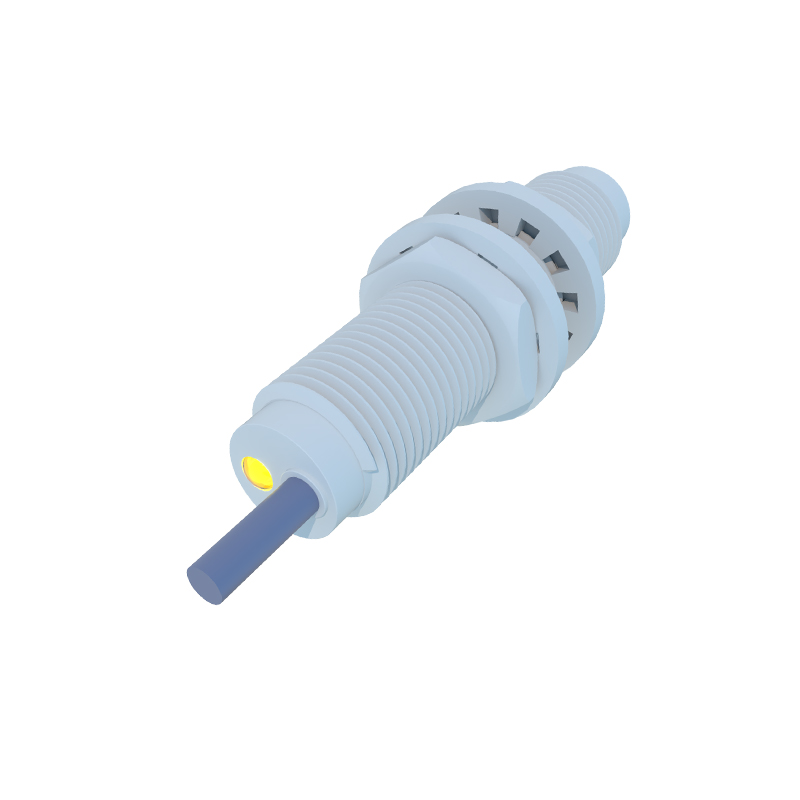
Major Industrial Distributors and Supply Chains
For reliable and swift procurement, established global industrial distributors are often the first port of call. Companies like Digi-Key Electronics, Mouser Electronics, and RS Components maintain vast inventories of proximity sensors from hundreds of manufacturers, including Omron, Schneider Electric, Siemens, and Pepperl+Fuchs. Their strengths lie in next-day shipping, extensive technical datasheets, and user-friendly online platforms for comparing specifications. For larger-scale or recurring projects, building a relationship with broad-line distributors such as Grainger, MSC Industrial Supply, or Motion Industries can be beneficial. These distributors often provide localized inventory, on-site support, and volume pricing, which is essential for maintenance, repair, and operations (MRO) activities.
Direct Purchasing from Manufacturer Representatives
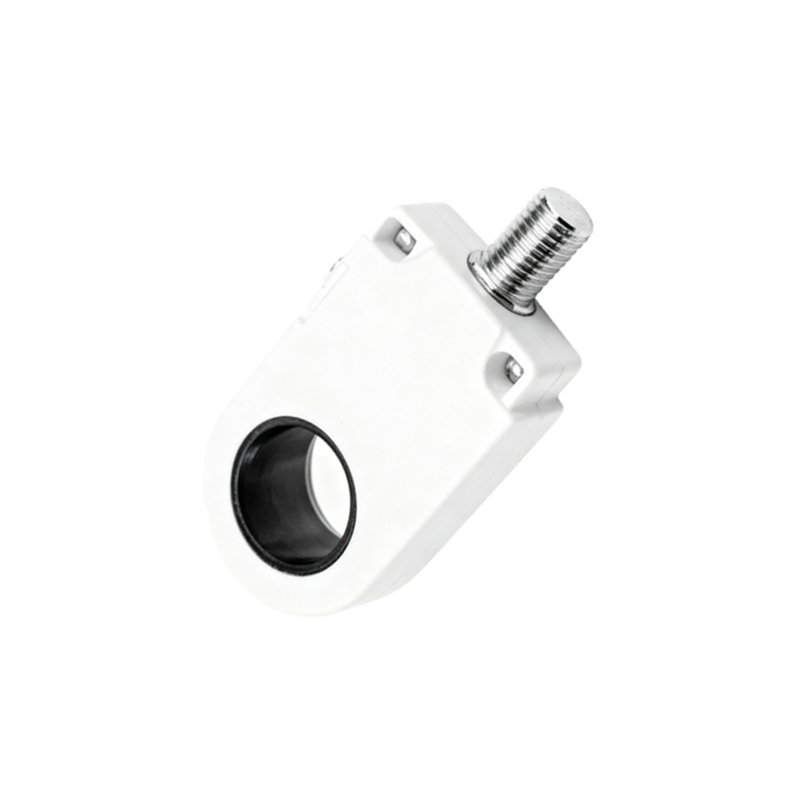
When your application has unique technical requirements, involves a large-scale OEM project, or requires deep technical integration, purchasing directly from the manufacturer or their authorized sales representatives is highly advisable. Companies like Banner Engineering, Turck, IFM Electronic, and Balluff operate extensive direct sales and engineering support networks. Engaging with them provides access to application engineers who can assist with sensor selection, customization options (like special housings or cable lengths), and detailed configuration support. This channel ensures you receive genuine products with full manufacturer warranties and direct technical accountability, which is critical for complex automation systems.
Specialized Automation and Control Suppliers
Beyond general distributors, a network of specialized automation suppliers focuses specifically on control and sensing solutions. These suppliers, which may be regional or niche-focused, offer profound product expertise. They often represent a curated selection of premium brands and provide value-added services such as system integration, programming assistance for the sensor's interface with PLCs, and post-sales troubleshooting. For engineers designing a complete subsystem, these suppliers can act as technical partners, recommending not just a sensor but the optimal complementary components like mounting brackets, junction boxes, and interface modules.
Evaluating Online Marketplaces and E-Commerce Platforms
The rise of B2B e-commerce platforms has transformed industrial procurement. Marketplaces like Amazon Business, eBay Business, and Thomasnet.com list millions of industrial parts, including proximity sensors. While convenient for sourcing obsolete parts, testing a single unit, or comparing prices rapidly, caution is necessary. Verify seller ratings, ensure the part number matches exactly, and confirm the item is new and not a refurbished or counterfeit component. This channel is best suited for standard, off-the-shelf sensors where authenticity can be clearly verified, and for non-critical applications where extended lead times or potential returns are manageable.
Key Considerations Before Finalizing Your Purchase
Regardless of the purchasing channel, several universal factors demand attention. First, always cross-reference the manufacturer's official part number. Second, scrutinize the specifications against your application's voltage, current, switching frequency, and IP (Ingress Protection) rating requirements. Third, consider total cost of ownership, which includes not just the unit price but also shipping costs, potential import duties, warranty terms, and the availability of technical support. Finally, assess the supplier's lead time and inventory reliability to prevent production line downtime. Establishing a qualified supplier list (QSL) for sensors can streamline future purchases and ensure consistency in your automation infrastructure.