Introduction to Infrared Photoelectric Sensors
Infrared photoelectric sensors are pivotal components in modern industrial automation, utilizing infrared light to detect the presence, absence, or position of objects. These sensors operate by emitting an infrared beam from a transmitter; a receiver then detects changes in the beam caused by an object interrupting or reflecting it. This non-contact detection method is highly reliable, making it suitable for diverse applications, from assembly lines to packaging systems. The core principle involves modulating the infrared light to minimize interference from ambient light, ensuring accurate readings even in challenging conditions. As industries increasingly adopt automation, understanding the environmental factors affecting these sensors becomes crucial for optimal performance and longevity.
Key Environmental Factors Impacting Performance
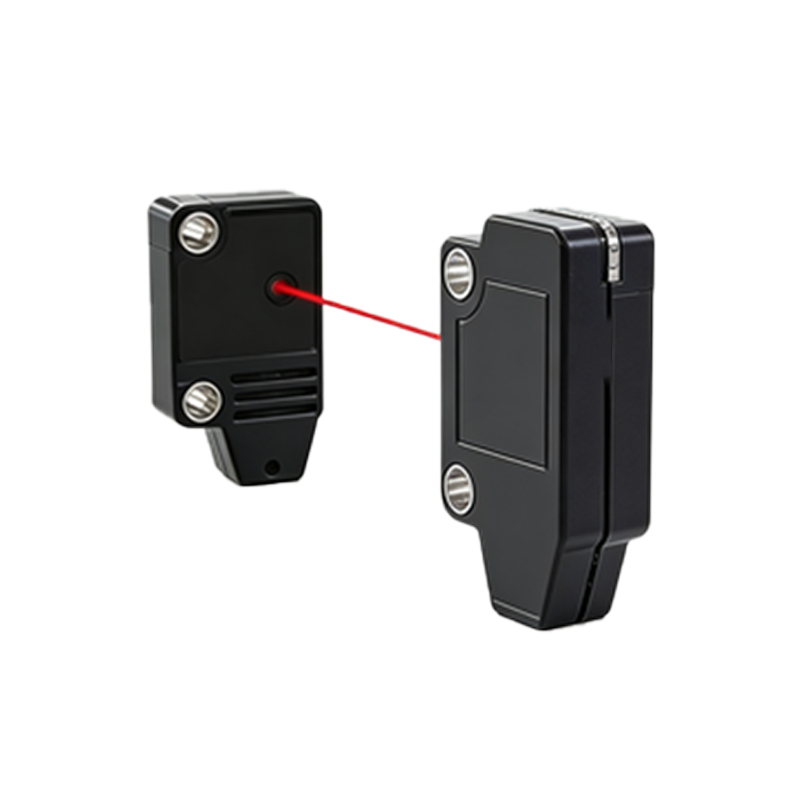
The operational efficiency of infrared photoelectric sensors is significantly influenced by environmental conditions. Dust, moisture, and temperature fluctuations can degrade sensor accuracy and reliability. In dusty environments, particles may accumulate on the lens, obstructing the infrared beam and causing false triggers or missed detections. Similarly, high humidity or direct exposure to liquids can lead to condensation or corrosion, potentially damaging internal components. Temperature extremes, whether hot or cold, affect the electronic circuitry and light emission properties, necessitating sensors with robust thermal specifications. Additionally, ambient infrared sources, such as sunlight or heating equipment, can interfere with sensor signals, requiring proper shielding or filtering mechanisms.
Industrial Applications and Environmental Adaptations
In industrial settings, infrared photoelectric sensors are deployed across various sectors, including manufacturing, logistics, and automotive. For instance, in conveyor systems, they detect product positioning to control sorting and packaging processes. To adapt to harsh environments, manufacturers design sensors with ingress protection (IP) ratings, such as IP67 or IP69K, which safeguard against dust and water ingress. Enclosures made from materials like stainless steel or polycarbonate provide durability against chemical exposure and physical impacts. Furthermore, sensors with temperature compensation circuits maintain accuracy across a wide range, from -25°C to 70°C, ensuring consistent performance in outdoor or unregulated indoor areas.
Mitigation Strategies for Environmental Challenges
To counteract environmental challenges, several mitigation strategies are employed. Regular maintenance, including lens cleaning and inspection, prevents buildup that could impair functionality. Installing protective housings or barriers shields sensors from direct exposure to contaminants. For environments with high ambient infrared interference, using modulated light signals or polarized filters helps distinguish sensor beams from background noise. Additionally, selecting sensors with appropriate sensing ranges and beam patterns minimizes errors caused by reflective surfaces or varying object colors. Implementing redundancy through multiple sensors can also enhance system reliability, ensuring continuous operation even if one unit is affected by environmental factors.
Future Trends and Technological Advancements
Advancements in infrared photoelectric sensor technology are focusing on enhancing environmental resilience and intelligence. Innovations include the integration of IoT capabilities, allowing sensors to transmit real-time data on performance and environmental conditions to centralized systems for predictive maintenance. Smart sensors with self-diagnostic features can alert operators to potential issues, such as lens fogging or signal degradation, before failures occur. Materials science is also contributing, with developments in hydrophobic coatings that repel moisture and dust. As industries move towards Industry 4.0, these sensors will become more adaptive, with machine learning algorithms optimizing detection parameters based on environmental changes, further improving efficiency and reducing downtime.