Introduction to Photoelectric Sensor Operation
Photoelectric sensors are fundamental components in modern industrial automation, relying on light beams to detect the presence, absence, or position of objects. Their operation hinges on three core elements: an emitter (light source), a receiver, and supporting signal processing circuitry. Common light sources include LEDs and laser diodes, while receivers typically utilize photodiodes or phototransistors. The sensor's performance is intrinsically linked to the physical properties of these semiconductor components and the electronic circuits that drive them. These properties are not static; they are significantly influenced by the operating environment, particularly temperature. While much attention is given to high-temperature derating, the effects of low-temperature operation present a distinct set of challenges that can compromise reliability and accuracy if not properly addressed.
Material Property Changes at Low Temperatures
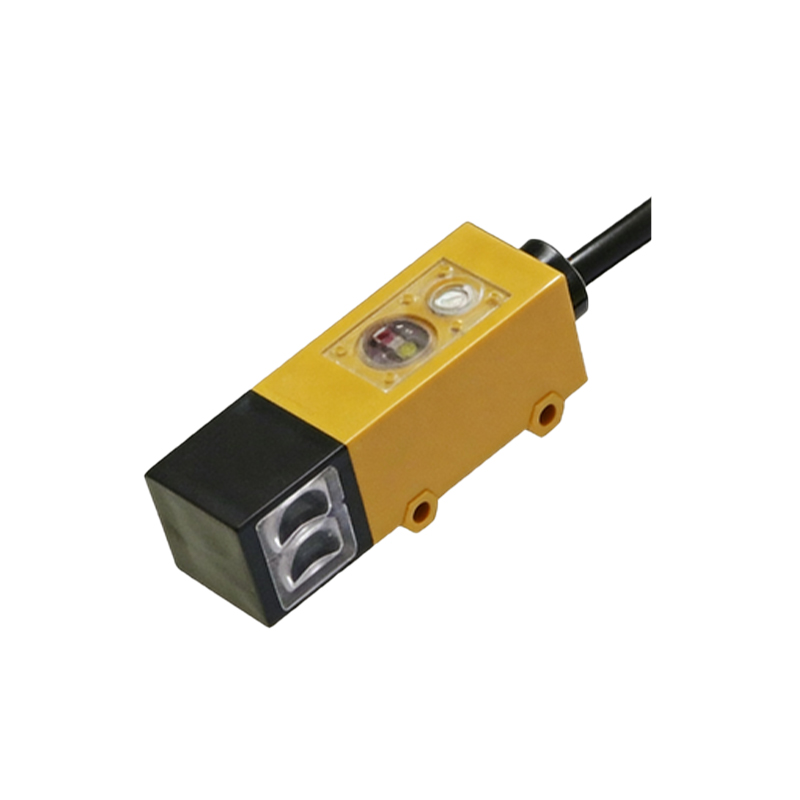
As ambient temperature drops, the behavior of the materials within a photoelectric sensor undergoes notable changes. For semiconductor materials in the emitter and receiver, carrier mobility decreases. This can lead to a reduction in the efficiency of the light-emitting diode (LED), resulting in a dimmer output beam. Conversely, the responsivity of the photodetector may also change, potentially becoming less sensitive to the incoming light signal. Furthermore, the optical elements, such as lenses and windows, are often made from polymers or specific glasses. These materials can experience embrittlement and minute dimensional changes at low temperatures, potentially affecting the alignment of the optical path. Even slight misalignment can drastically reduce the effective sensing range or cause false triggering.
Electronic Circuit Performance Degradation
The supporting electronics are equally vulnerable to cold environments. Capacitors, especially electrolytic types, can experience a significant increase in Equivalent Series Resistance (ESR) and a decrease in capacitance. This affects power supply filtering and timing circuits, potentially leading to unstable sensor operation or slower response times. The performance of operational amplifiers and other integrated circuits can drift outside specified parameters as their internal characteristics shift with temperature. Battery-powered sensors face the acute problem of reduced battery capacity and voltage output in the cold, shortening operational life. Voltage regulators may struggle to maintain stable outputs if input voltage from a weakened battery sags.
Condensation and Icing: A Physical Hazard
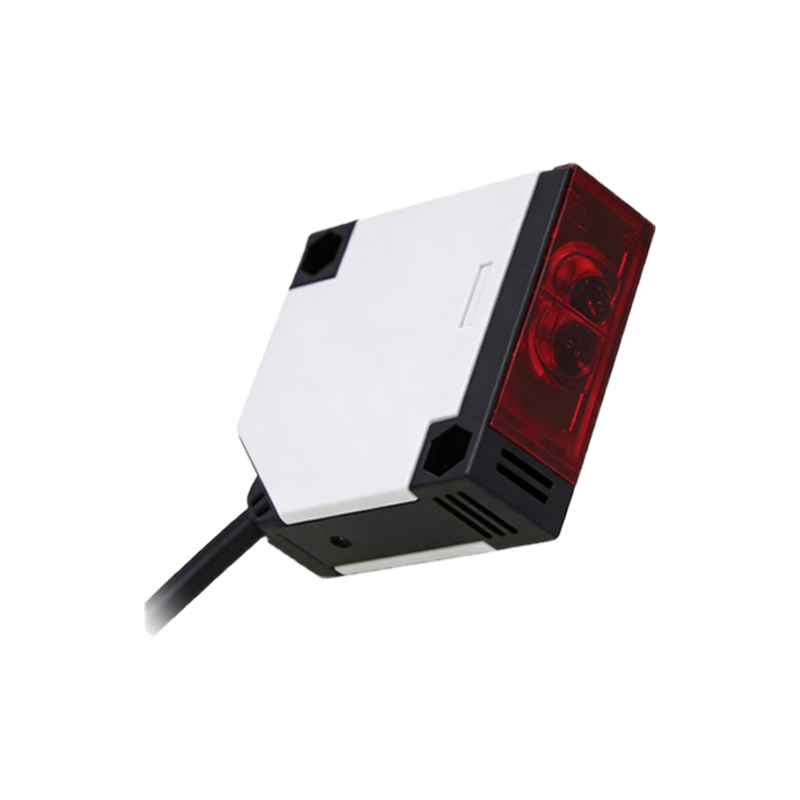
One of the most direct and damaging effects of low temperature is the formation of condensation and ice. When a sensor is moved from a cold environment to a warmer, humid one, or during cyclic temperature variations, moisture in the air can condense on the sensor's face. This water film scatters and attenuates the light beam, severely degrading performance. In sub-freezing conditions, this condensation turns to ice, which can physically block the optical aperture entirely. Ice formation on mounting brackets or moving parts of adjustable sensors can also cause mechanical seizure, preventing necessary alignment adjustments or even damaging the housing.
Impact on Sensing Range and Signal Integrity
The combined effects of reduced emitter output, altered detector sensitivity, and potential condensation lead to a pronounced reduction in the sensor's effective sensing range. A sensor specified for a 10-meter range at room temperature may only achieve 5 or 6 meters in a -20°C environment. Signal-to-noise ratio can deteriorate, making the sensor more susceptible to interference from ambient light or electrical noise. This increases the likelihood of false positives (detecting an object that isn't there) or false negatives (missing an object that is present). For precise positioning applications or when detecting small or low-reflectivity objects, this loss of signal integrity can be catastrophic for process quality.
Selection and Specification for Low-Temperature Use
To ensure reliable operation, careful selection and specification are paramount. Engineers must consult the sensor's datasheet for its guaranteed operating temperature range, not just the storage range. Look for models specifically designed or rated for extended low-temperature operation. These often feature components rated for wider temperature tolerances, such as ceramic capacitors instead of electrolytic ones, and robust housing seals (IP67 or higher) to mitigate moisture ingress. Sensors with laser light sources may maintain beam collimation better than standard LEDs in the cold, but their driver circuits also require low-temperature validation.
Mitigation Strategies and Best Practices
Several practical strategies can mitigate low-temperature effects. For fixed installations in consistently cold environments, installing protective enclosures with regulated internal heating can maintain the sensor at a nominal temperature. Using air purges (clean, dry air blown across the sensor face) prevents condensation and ice buildup. Electrically, ensuring a stable, derated power supply with adequate current capability is crucial, as cold circuits may draw higher inrush currents. During system design, derating the usable sensing range by 30-40% provides a necessary safety margin. Regular maintenance checks for lens cleanliness and housing integrity are more critical in harsh, cold settings.
Conclusion and Reliability Assurance
Low temperature presents a multifaceted challenge to photoelectric sensor performance, affecting optical, electronic, and mechanical subsystems. Ignoring these effects can lead to unexpected system failures, production downtime, and quality control issues. Successful deployment in cold environments hinges on understanding these underlying principles, selecting appropriately specified hardware, and implementing proactive mitigation practices. By treating low-temperature operation as a key design constraint from the outset, engineers can ensure the long-term reliability and accuracy of their automated sensing systems, even in the most demanding industrial freezer, outdoor, or cold-storage logistics applications.