Introduction to Proximity Sensors in Harvesters
Proximity sensors are critical components in modern agricultural machinery, particularly in harvesters, where they play a pivotal role in automation and precision farming. These sensors detect the presence or absence of objects without physical contact, using technologies such as inductive, capacitive, or ultrasonic methods. In harvesters, they are strategically installed to monitor components like cutting blades, conveyors, and engine parts, ensuring seamless operation. By providing real-time data, proximity sensors help prevent mechanical failures, reduce downtime, and optimize harvesting processes. Their integration aligns with the industry's shift toward smart farming, where efficiency and safety are paramount. As harvesters become more advanced, the reliance on these sensors grows, making them indispensable for contemporary agricultural practices.
Types of Proximity Sensors Used in Harvesters
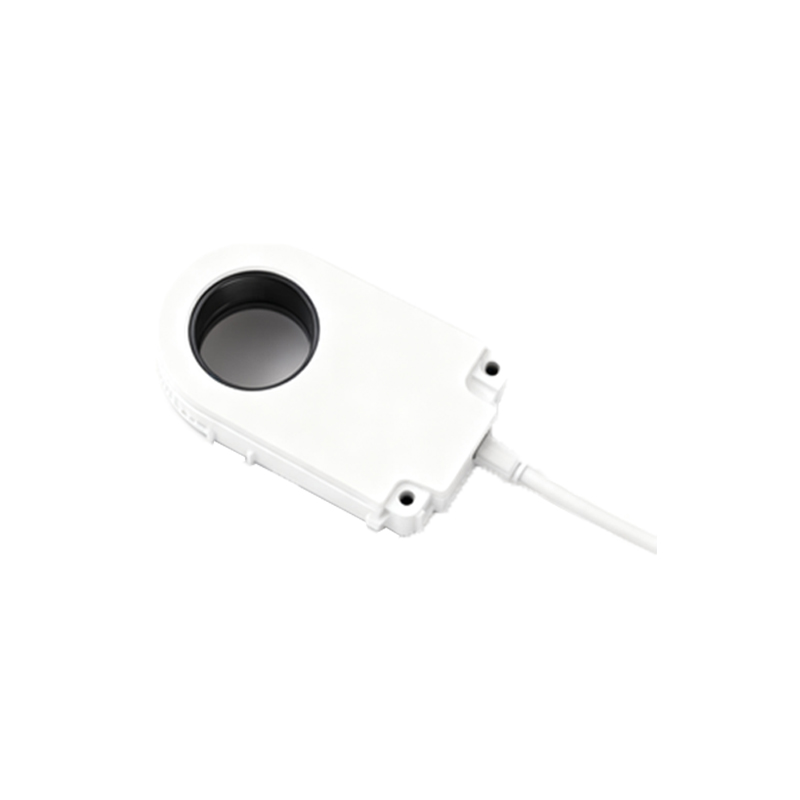
Various proximity sensor types are employed in harvesters, each suited to specific applications based on environmental conditions and detection requirements. Inductive sensors are commonly used for metal object detection, such as monitoring the position of metallic blades or gears, and are valued for their durability in dusty or muddy fields. Capacitive sensors can detect both metallic and non-metallic materials, making them ideal for monitoring grain levels in hoppers or detecting blockages in plastic components. Ultrasonic sensors measure distance by emitting sound waves, useful for obstacle detection around the harvester's perimeter or ensuring proper spacing between moving parts. Additionally, magnetic sensors are utilized for speed monitoring in rotating shafts. Selecting the right sensor type involves considering factors like range, response time, and resistance to harsh weather, ensuring reliable performance throughout harvesting seasons.
Key Applications and Benefits in Harvesting Operations
In harvesting operations, proximity sensors enhance both efficiency and safety through diverse applications. They are installed on cutting mechanisms to detect blade alignment and prevent jams, reducing wear and tear. On conveyors, sensors monitor grain flow to avoid overloading or blockages, optimizing throughput. Engine compartments use sensors to track temperature and vibration, alerting operators to potential malfunctions before they escalate. Safety-wise, sensors act as collision avoidance systems, detecting obstacles like rocks or debris in the field and triggering automatic stops to prevent damage. The benefits include increased productivity, as sensors enable continuous operation with minimal human intervention, and cost savings from reduced maintenance and fuel consumption. Moreover, they contribute to sustainable farming by minimizing crop waste and ensuring precise harvesting, aligning with global food security goals.
Installation and Maintenance Best Practices
Proper installation and maintenance are essential for maximizing the lifespan and accuracy of proximity sensors in harvesters. During installation, sensors should be mounted securely to avoid vibrations that could cause false readings, with careful attention to alignment and clearance distances as per manufacturer specifications. Wiring must be shielded from moisture and electromagnetic interference, common in agricultural environments. Regular maintenance involves cleaning sensor surfaces to remove dirt, chaff, or residue that could impair detection, and checking connections for corrosion. Calibration should be performed periodically to ensure sensitivity remains optimal, especially after seasonal use. Operators are advised to follow troubleshooting guides for common issues like signal drift or intermittent failures, and replace sensors proactively based on usage hours. Adhering to these practices minimizes downtime and ensures sensors operate reliably under demanding field conditions.
Technological Advancements and Future Trends
The evolution of proximity sensor technology is driving innovations in harvester design and functionality. Recent advancements include the integration of IoT (Internet of Things) capabilities, allowing sensors to transmit data wirelessly to cloud-based platforms for real-time analytics and predictive maintenance. Smart sensors with embedded AI algorithms can now differentiate between crop types and adjust harvesting parameters automatically, enhancing precision. Future trends point toward miniaturization, with smaller sensors offering higher accuracy and lower power consumption, suitable for compact harvester models. Additionally, the development of multi-sensor fusion systems, combining proximity data with GPS and imaging, will enable fully autonomous harvesting operations. As agriculture embraces digital transformation, these trends promise to boost efficiency, reduce environmental impact, and support the growing demand for automated farming solutions worldwide.
Conclusion: The Role in Sustainable Agriculture
Proximity sensors are more than just mechanical aids; they are enablers of sustainable agriculture in the context of harvesters. By facilitating precise control over harvesting processes, they help conserve resources like water and energy, while reducing chemical usage through targeted operations. Their ability to prevent equipment damage and crop loss contributes to higher yields and lower carbon footprints, supporting eco-friendly farming initiatives. As the agricultural sector faces challenges from climate change and population growth, the adoption of advanced sensor technologies becomes crucial. Investing in reliable proximity sensors not only improves harvester performance but also promotes long-term sustainability, ensuring that farming remains productive and resilient for future generations.