Introduction to Photoelectric Sensor Sensitivity
Photoelectric sensor sensitivity is a fundamental parameter that defines a sensor's ability to detect an object reliably. In essence, it quantifies the minimum amount of light change the sensor's receiver can recognize and convert into a usable electrical signal. High sensitivity allows a sensor to detect smaller, more distant, or lower-reflectivity objects. Conversely, a sensor with lower sensitivity might be chosen for applications requiring immunity to background interference or to prevent false triggering from dust or ambient light. The sensitivity specification is not a standalone figure; it is intrinsically linked to the sensor's operational range, the target's characteristics, and the environmental conditions. Engineers must grasp this interplay to select and configure sensors optimally for diverse industrial automation, packaging, and material handling tasks.
Key Factors Influencing Sensitivity Performance
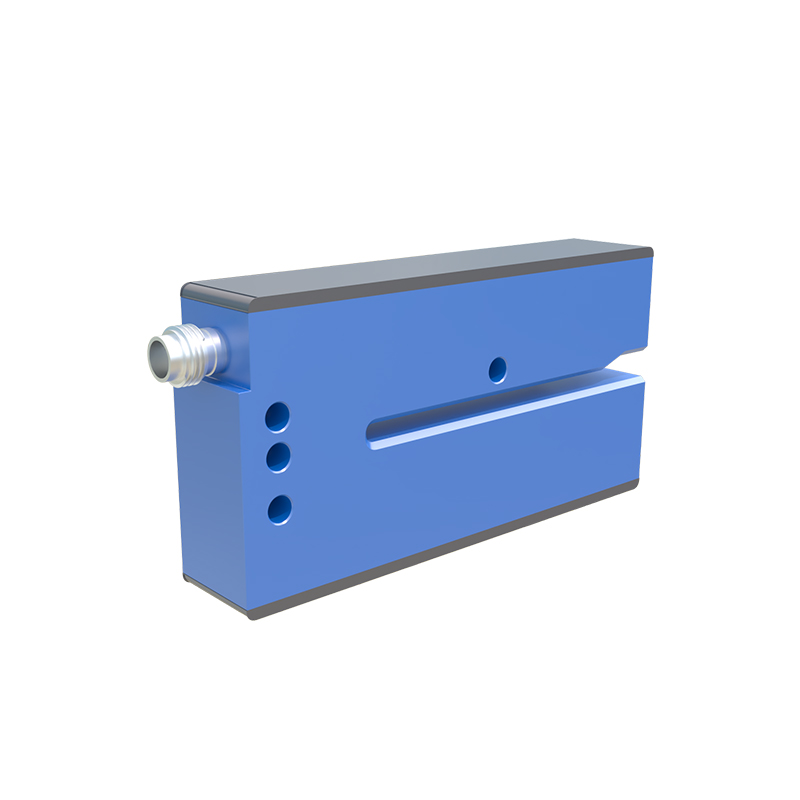
Several core factors determine and affect a sensor's sensitivity. First is the light source type, typically an LED. Infrared LEDs are common for long-range and high-sensitivity applications, while red or laser LEDs offer precise, visible beam spots for alignment. The optical system design—the lens quality and the alignment between the emitter and receiver—is critical for focusing light energy. The receiver's phototransistor or photodiode quality defines its inherent responsiveness to light. Target properties, such as color, material, surface finish (matte vs. glossy), and size, dramatically alter the amount of light reflected or received. Finally, environmental light, dust, fog, and temperature can all attenuate the light signal, effectively reducing operational sensitivity.
Sensitivity Adjustment and Threshold Setting
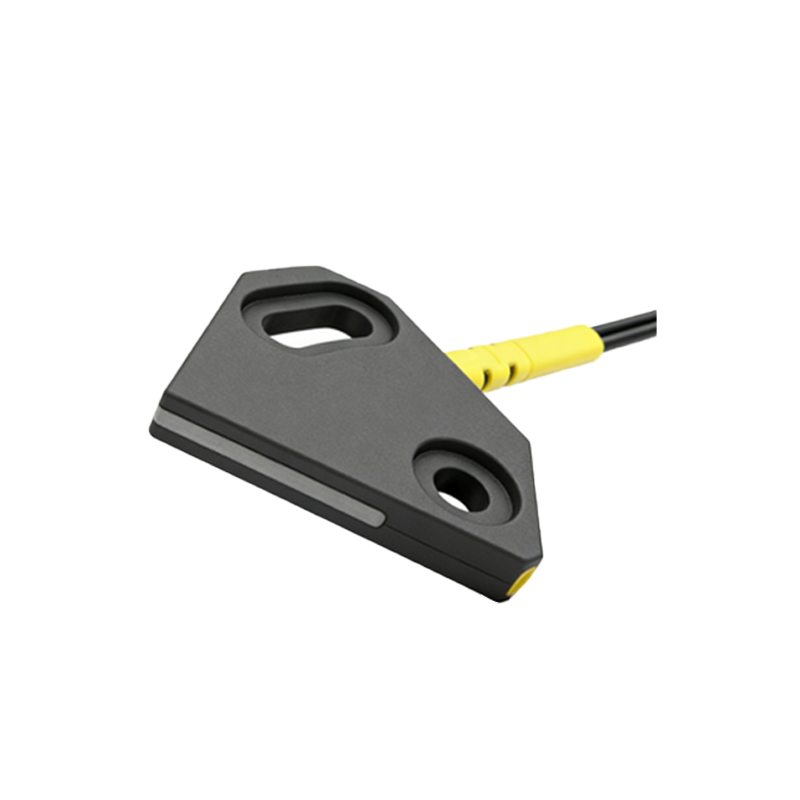
Most industrial photoelectric sensors feature a sensitivity potentiometer or digital setting. This adjustment allows engineers to fine-tune the trigger point. The goal is to set a threshold where the signal from a present target reliably exceeds it, while the signal from an absent target (or background noise) remains below it. This creates a signal margin or hysteresis. Proper adjustment is crucial: setting it too high may cause the sensor to miss a weak signal (insufficient sensitivity), while setting it too low can lead to false triggers from noise. For challenging applications with translucent materials or small objects, maximizing sensitivity while maintaining stability is key. Advanced sensors with teach-in functions automate this threshold setting for optimal performance.
Through-Beam vs. Retroreflective vs. Diffuse Sensitivity
The sensing mode has a profound impact on effective sensitivity. Through-beam sensors, with separate emitter and receiver, offer the highest potential sensitivity and longest range because the receiver gets a strong, direct beam. Sensitivity adjustment here often deals with signal attenuation. Retroreflective sensors bounce light off a reflector. Their sensitivity is high but can be reduced by dirt on the reflector or misalignment. Diffuse (proximity) sensors rely on light reflected directly from the target. They are inherently less sensitive as the received signal is much weaker, making sensitivity adjustment most critical for detecting low-reflectivity or distant objects within a shorter range.
Impact of Sensing Range and Background Suppression
A sensor's rated sensing range is directly tied to its sensitivity. A high-sensitivity sensor can achieve a longer range. However, for diffuse sensors, a phenomenon called "background interference" occurs. A highly sensitive diffuse sensor might detect a distant wall or machine part behind the intended target. Technologies like Background Suppression (BGS) or Fixed Field sensing solve this. They use triangulation or specialized optics to define a precise sensing window. The sensitivity is effectively tuned to only respond to targets within this specific distance window, ignoring objects beyond it. This allows for high sensitivity on the target while being "blind" to the background, enabling reliable detection regardless of the target's color or reflectivity.
Environmental Challenges and Sensitivity Stability
Maintaining consistent sensitivity in harsh environments is a major engineering challenge. Accumulation of dust, lint, or oil on the sensor's lens attenuates light, effectively reducing sensitivity over time and potentially causing missed detections. Selecting sensors with high IP ratings and using air purge fittings can mitigate this. Ambient light from sunlight or high-bay lighting can saturate the receiver, blinding the sensor. Sensors with modulated LED light (pulsed at a specific frequency) and synchronous detection circuits are essential. They are sensitive only to their own light's frequency, rejecting constant or differently modulated ambient light, thus preserving operational sensitivity and reliability.
Advanced Features for Enhanced Sensitivity Control
Modern photoelectric sensors incorporate advanced features for superior sensitivity management. Auto-gain control circuits dynamically adjust the internal amplifier gain based on received signal strength, maintaining a consistent output margin. Digital sensors with IO-Link communication provide detailed diagnostics, including real-time signal strength monitoring, allowing for predictive maintenance before sensitivity degrades to a failure point. Multi-voltage models ensure stable sensitivity across a wide voltage range. For color sensing or contrast detection applications, specialized sensors offer tunable spectral sensitivity or very high-resolution response to minute differences in reflected light intensity.
Practical Selection and Application Guidelines
When selecting a sensor based on sensitivity requirements, start by defining the target's size, material, color, and required detection distance. For long-range or small-object detection, prioritize sensors with high sensitivity specifications. For applications with varying target colors or presence of background objects, consider Background Suppression sensors. Always account for the environment—choose modulated light sensors for areas with ambient light and robust housings for dirty conditions. During installation, carefully align the sensor and use the sensitivity adjustment to establish a strong, stable signal margin. Regularly verify performance as part of preventive maintenance to ensure ongoing reliability.