Introduction to Slot Type Photoelectric Sensors
Slot type photoelectric sensors, often referred to as fork or through-beam sensors, are fundamental components in industrial automation. Their core function is to detect the presence or absence of an object passing through the U-shaped slot between the emitter and receiver. A critical element within this detection mechanism is the iron plate, a component whose design and material properties are paramount for reliable operation. This article delves into the specifics of the iron plate, exploring its role, design considerations, and its impact on sensor performance in demanding industrial environments.
The Role of the Iron Plate in Sensor Construction
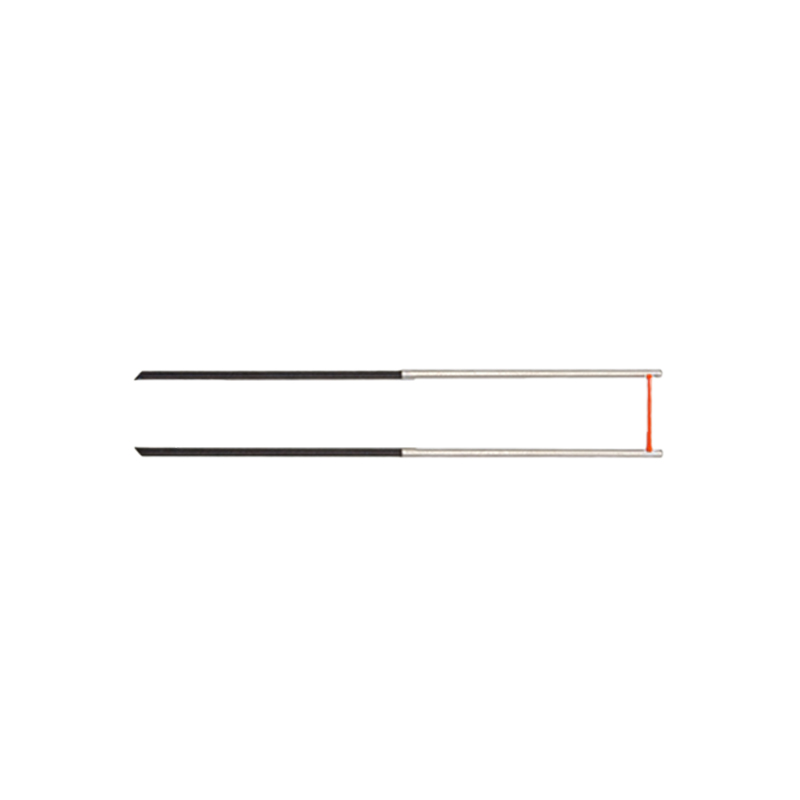
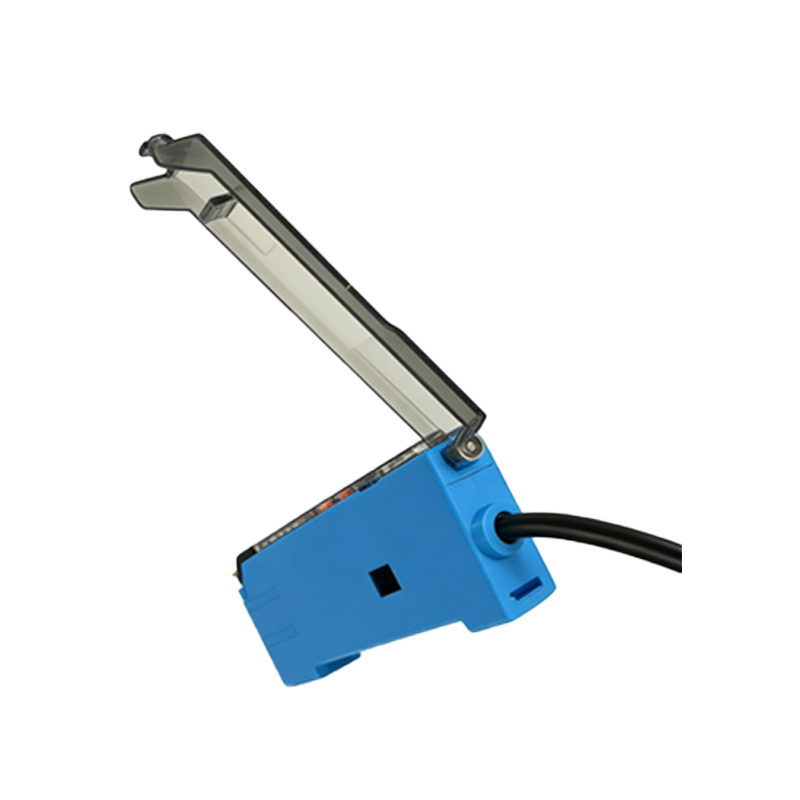
The iron plate serves as the primary structural and shielding element within a slot sensor's housing. Its primary function is to provide a rigid, stable frame that precisely aligns the infrared LED emitter on one side and the phototransistor or photodiode receiver on the opposite side. This precise alignment is crucial for creating a consistent, focused light beam across the slot's air gap. Furthermore, the iron plate acts as an electromagnetic shield. Industrial settings are rife with electrical noise from motors, solenoids, and power lines. The ferromagnetic properties of the iron plate help to attenuate electromagnetic interference (EMI), preventing false triggering and ensuring signal integrity. It also provides mechanical protection for the delicate optical components from dust, debris, and minor physical impacts.
Material Selection and Manufacturing Precision
Not just any iron is suitable for this application. The plate is typically manufactured from cold-rolled steel or other low-carbon steels that are plated or treated to resist corrosion, such as through zinc plating or chromate conversion coatings. This is essential for sensors used in environments with humidity, washdowns, or chemical exposure. The manufacturing process involves high-precision stamping and forming to achieve tight tolerances. The flatness of the plate, the perpendicularity of the mounting surfaces, and the exact dimensions of the slot aperture are all critical. Any deviation can cause beam misalignment, reducing the sensor's effective sensing range or creating blind spots. The surface finish is also controlled to minimize internal light reflection, which could cause optical crosstalk and unreliable detection.
Impact on Sensing Performance and Reliability
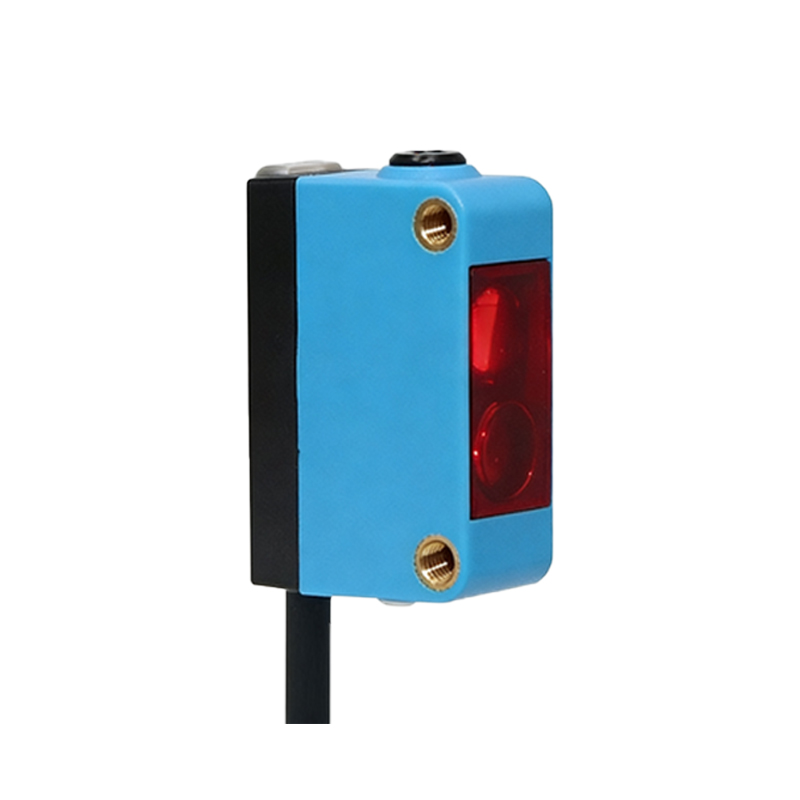
The quality of the iron plate directly influences key sensor performance parameters. A well-designed plate ensures a stable, collimated beam, which translates to a longer permissible sensing distance and a smaller detectable object size. The shielding effectiveness determines the sensor's immunity to ambient light and electrical noise, a factor measured by specifications like "NEMA 4X" for environmental sealing or specific EMI/RFI immunity ratings. In high-speed counting or positioning applications, such as on conveyor lines or rotary encoders, the consistency provided by a robust iron plate is non-negotiable. It ensures that every interruption of the beam is registered accurately, without jitter or missed counts, even under conditions of vibration or thermal expansion.
Design Variations for Specific Applications
The basic design of the iron plate and slot is adapted for various specialized tasks. For sensing very small objects like component leads or thin wires, sensors feature a narrow, precision-machined slot with thin, knife-edged iron plates. In contrast, heavy-duty sensors for large object detection or harsh environments utilize thicker, more massive iron plates for increased durability and shielding. Some advanced designs incorporate multiple slots or channels within a single iron plate assembly, allowing for the detection of edge positioning, width measurement, or speed monitoring. Another variation is the inclusion of a "slotted disk" or "code wheel" which is a rotating iron plate with precisely cut apertures, used in conjunction with a fixed sensor to create an incremental encoder.
Installation and Maintenance Considerations
Proper installation is key to leveraging the benefits of the iron plate's design. The sensor must be mounted securely to prevent flexing or misalignment, which could cause the internal plate to bend or shift. When installing, technicians must ensure that no metallic debris or ferrous shavings adhere to the plate's surfaces inside the slot, as this can permanently obstruct the beam. Maintenance primarily involves keeping the slot clean. While the iron plate is resistant, a buildup of opaque dust, oil, or other contaminants on the optical windows (usually epoxy-potted within the plate's openings) will attenuate the light signal. Regular inspection for physical damage to the housing, which could indicate compromise to the internal iron structure, is also recommended for critical applications.
Future Trends and Material Innovations
While the iron plate remains a staple, sensor technology continues to evolve. There is ongoing research into alternative materials that offer superior shielding or lighter weight, such as specialized alloys or metal-matrix composites. However, the cost-effectiveness and proven performance of treated steel plates ensure their continued dominance. The future development lies more in the integration of the sensor assembly, including the iron plate, with smarter electronics. This includes sensors with built-in IO-Link communication for diagnostics that can monitor beam strength, potentially detecting gradual contamination on the plate's aperture before it causes a failure, enabling predictive maintenance strategies.