Introduction to Proximity Sensors in Display Technology
Proximity sensors have become integral components in modern display screens, particularly in smartphones, tablets, laptops, and automotive infotainment systems. These sensors detect the presence of nearby objects without physical contact, typically using infrared (IR) light or capacitive sensing. When a user brings their face close to a device during a call, for instance, the proximity sensor automatically turns off the display to prevent accidental touch inputs and conserve battery life. This functionality not only enhances user convenience but also improves device reliability by reducing unnecessary screen activity. The evolution of proximity sensors has paralleled advancements in display technology, with newer models offering higher precision, faster response times, and lower power consumption. As displays become more interactive and energy-efficient, the role of proximity sensors in optimizing performance continues to grow.
Working Principles and Types of Proximity Sensors
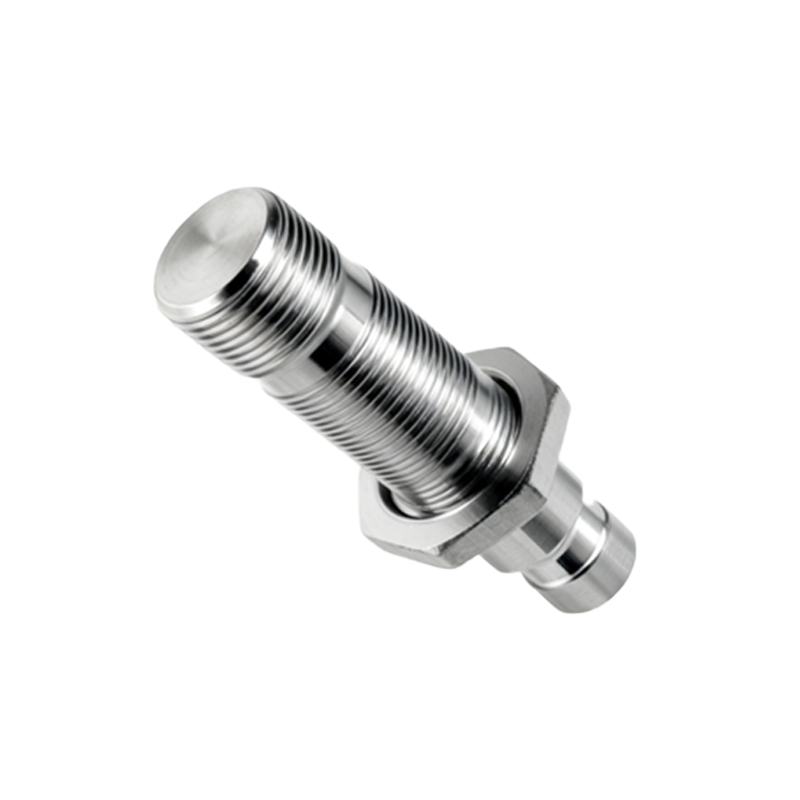
Proximity sensors operate based on various physical principles, with the most common types being infrared and capacitive sensors. Infrared proximity sensors emit an IR beam and measure the reflection from nearby objects. If an object is detected within a preset range, the sensor triggers a signal to control the display. Capacitive proximity sensors, on the other hand, detect changes in capacitance caused by conductive objects like the human body. These are often used in touchscreens to distinguish between intentional touches and accidental proximity. Other types include ultrasonic and inductive sensors, though these are less common in consumer display applications. Key parameters for selection include detection range, response time, and environmental robustness. Engineers must consider factors such as ambient light interference for IR sensors or humidity effects for capacitive ones to ensure reliable operation across different conditions.
Applications in Consumer Electronics and Automotive Displays
In consumer electronics, proximity sensors are widely used in smartphones to manage screen behavior during calls, as mentioned, but also in laptops to detect user presence for power-saving modes. For example, some devices feature "attention-aware" functions that dim the screen when the user looks away, leveraging proximity and ambient light sensors. In automotive applications, proximity sensors enhance safety and usability by enabling touchless controls for infotainment screens, reducing driver distraction. They can also detect hand gestures for volume adjustment or menu navigation, creating a more intuitive interface. As the Internet of Things (IoT) expands, proximity sensors are being integrated into smart home displays and wearable devices, enabling context-aware interactions that adapt to user proximity.
Design Considerations and Integration Challenges
Integrating proximity sensors into display screens requires careful design to avoid performance issues. For IR sensors, placement is critical to prevent interference from other light sources or internal components. Engineers often position them near the top bezel of a device, alongside front-facing cameras and ambient light sensors. Shielding and filtering techniques are used to minimize false triggers from environmental factors. Power consumption is another key concern, especially for battery-operated devices. Modern sensors incorporate low-power modes that activate only when needed, balancing functionality with energy efficiency. Additionally, calibration during manufacturing ensures consistent detection ranges, which is vital for user experience. As displays trend toward bezel-less designs, sensor integration becomes more challenging, necessitating innovative solutions like under-display sensors or edge-mounted configurations.
Future Trends and Innovations in Proximity Sensing
The future of proximity sensors in display technology is driven by demands for smarter, more responsive devices. Advances in materials science are enabling thinner, more transparent sensors that can be embedded directly into OLED or LCD panels without affecting image quality. Machine learning algorithms are being developed to improve sensor accuracy by distinguishing between intentional proximity events and environmental noise. Furthermore, the integration of multiple sensor types—such as combining proximity with ambient light and gesture sensors—is creating multifunctional systems that offer richer user interactions. In automotive and industrial settings, time-of-flight (ToF) proximity sensors are gaining popularity for their ability to provide precise distance measurements, enhancing safety features like collision avoidance. As 5G and augmented reality (AR) applications grow, proximity sensors will play a crucial role in enabling seamless, immersive experiences by adapting displays to user context in real-time.
Conclusion: The Role of Proximity Sensors in Advancing Display Technology
Proximity sensors are essential for optimizing the functionality and efficiency of modern display screens. From preventing accidental touches to enabling energy-saving modes, they contribute significantly to user satisfaction and device performance. As technology evolves, these sensors will continue to become more sophisticated, supporting new applications in areas like healthcare monitors, interactive kiosks, and smart appliances. Engineers and designers must stay abreast of innovations in sensing technology to leverage their full potential. By addressing integration challenges and embracing trends like AI-enhanced sensing, the industry can create displays that are not