Introduction to Hikvision and Its Industrial Automation Division
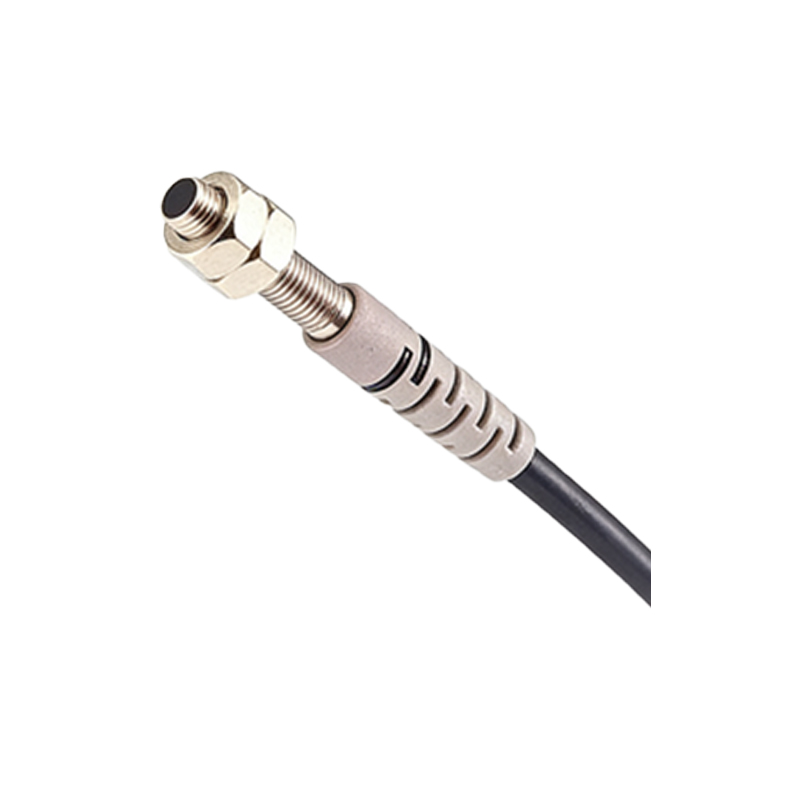
Hikvision is globally recognized as a leading provider of innovative security products and solutions. However, its expertise extends significantly into the realm of industrial automation, where its portfolio includes advanced photoelectric sensors. These sensors are critical components in manufacturing, logistics, and various automated systems, detecting the presence, absence, or distance of objects using a light transmitter and receiver. For electrical engineers and automation specialists, understanding the career landscape, including compensation at such a prominent player, is crucial for professional planning.
Factors Influencing Salary for Photoelectric Sensor Roles
Salary for engineers working with photoelectric sensors at a company like Hikvision is not a fixed figure but is determined by a complex interplay of factors. Primarily, geographical location plays a massive role. Positions in North America or Western Europe typically command higher base salaries compared to those in Asia, though cost of living adjustments are key. Educational background, specifically a Bachelor's or Master's degree in Electrical Engineering, Automation, or Mechatronics, forms the foundation. Furthermore, hands-on experience with sensor integration, PLC programming (e.g., Siemens, Allen-Bradley), industrial communication protocols, and optical design principles directly correlates with higher pay. Specialized knowledge in Hikvision's specific product lines and software ecosystems adds considerable value.
Average Salary Range and Compensation Structure
Based on aggregated data from global salary platforms and industry reports, the estimated total annual compensation for an Electrical Engineer or Application Specialist focused on photoelectric sensors at Hikvision can vary widely. For entry-level positions with 0-3 years of experience, the range might fall between $55,000 and $75,000. Mid-career professionals with 4-8 years of relevant expertise can expect between $80,000 and $110,000. Senior engineers, team leads, or R&D specialists with deep domain knowledge may see compensation packages from $115,000 to $150,000 or more. It is vital to note that the total package often includes bonuses, profit-sharing, comprehensive health benefits, and sometimes stock options, which can significantly augment the base salary.
Career Growth and Skill Development Pathways
A role centered on photoelectric sensors at Hikvision is not a dead-end but a gateway to numerous advancement opportunities. Engineers can progress into technical leadership, managing complex automation projects that integrate entire sensor networks. Another path leads to research and development, focusing on next-generation sensor technologies like smart sensors with IO-Link capabilities or enhanced environmental robustness. Moving into product management or technical marketing, where one defines product strategy and global launches, is also common. Continuous skill development in adjacent areas like machine vision, robotics, and Industrial IoT platforms is highly encouraged and often rewarded.
Comparison with Industry Peers and Market Trends
To contextualize Hikvision's offerings, it is helpful to compare with other major players in the industrial sensor and automation space, such as Keyence, Omron, Sick, or Banner Engineering. Generally, specialized sensor companies like Keyence are known for offering very competitive, often performance-based, compensation packages. Hikvision's compensation is typically competitive within the local markets it operates in, leveraging its brand strength and diverse business portfolio. The overarching market trend shows rising demand for automation engineers, pushing salaries upward. Expertise in smart factory concepts and Industry 4.0 integration, where photoelectric sensors serve as key data acquisition points, is becoming increasingly lucrative.
Negotiation Strategies and Key Considerations
When pursuing a position related to photoelectric sensors at Hikvision, effective negotiation is paramount. Candidates must thoroughly research the standard salary range for the specific job title and location using sites like Glassdoor, LinkedIn Salary, and Payscale. Quantifying achievements from past roles—such as cost savings from a sensor solution designed, reduction in system downtime, or successful project completions—provides powerful leverage. Understanding the full compensation structure, including relocation assistance, annual leave, and professional development budgets, is as important as the base salary. Demonstrating a clear understanding of Hikvision's product roadmap and how one's skills align with it can strengthen a negotiation position significantly.
Conclusion and Final Outlook
In conclusion, a career focusing on photoelectric sensors at Hikvision presents a solid and promising path for electrical engineers within the industrial automation sector. Salaries are competitive and influenced heavily by experience, specialization, and geographic placement. The role offers substantial opportunities for professional growth into technical, managerial, or strategic domains. As automation continues to revolutionize industries globally, the value of engineers skilled in critical components like photoelectric sensors is poised to remain high. Prospective and current professionals should focus on continuous learning and strategic career planning to maximize their earning potential and impact within this dynamic field.