Introduction to Multifunctional Proximity Sensors
Multifunctional proximity sensors are advanced electronic devices designed to detect the presence, absence, or position of objects without physical contact. These sensors are integral to modern automation systems, offering versatility across various industrial applications. Their structural composition is meticulously engineered to ensure reliability, accuracy, and adaptability in diverse environments. By integrating multiple sensing technologies into a single unit, these sensors provide enhanced functionality, such as distance measurement, object recognition, and environmental monitoring. The core design focuses on compactness, durability, and seamless integration with control systems, making them essential components in robotics, automotive manufacturing, and smart infrastructure. Understanding their structural makeup is key to leveraging their full potential in optimizing operational efficiency and safety.
Core Sensing Element and Technology
At the heart of a multifunctional proximity sensor lies the sensing element, which determines its detection capabilities. Common technologies include inductive, capacitive, ultrasonic, and optical sensing. Inductive sensors use electromagnetic fields to detect metallic objects, while capacitive sensors respond to changes in capacitance caused by non-metallic materials. Ultrasonic sensors emit sound waves to measure distance based on echo reflection, and optical sensors utilize light beams for precise object detection. The structural integration of these technologies often involves hybrid designs, where multiple sensing methods are combined within a single housing. This allows the sensor to switch between modes or operate simultaneously, providing comprehensive data for complex tasks. The sensing element is typically protected by a robust casing to shield it from external factors like dust, moisture, and mechanical stress.
Housing and Enclosure Design
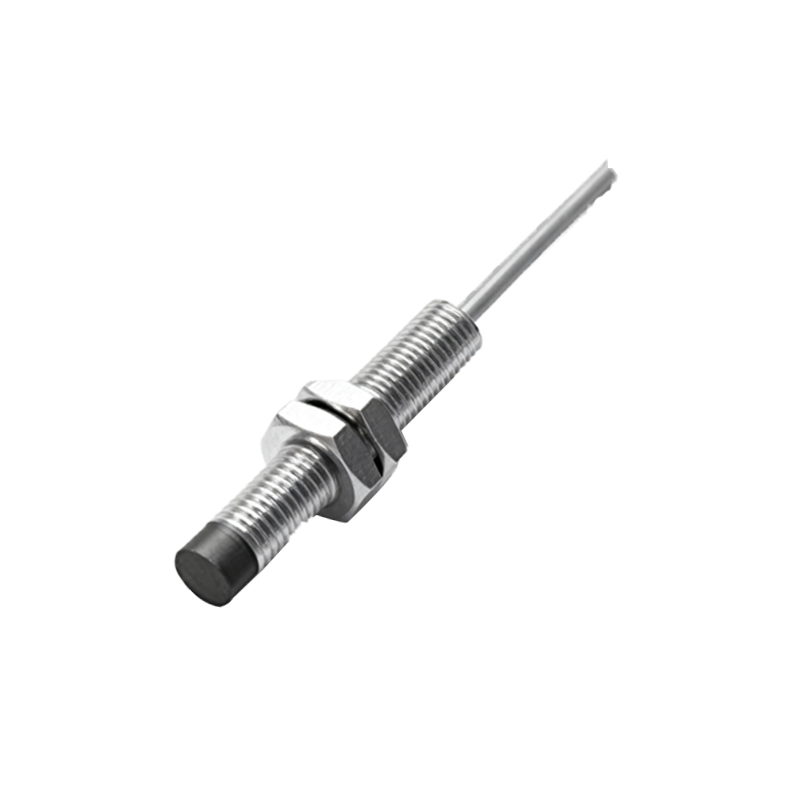
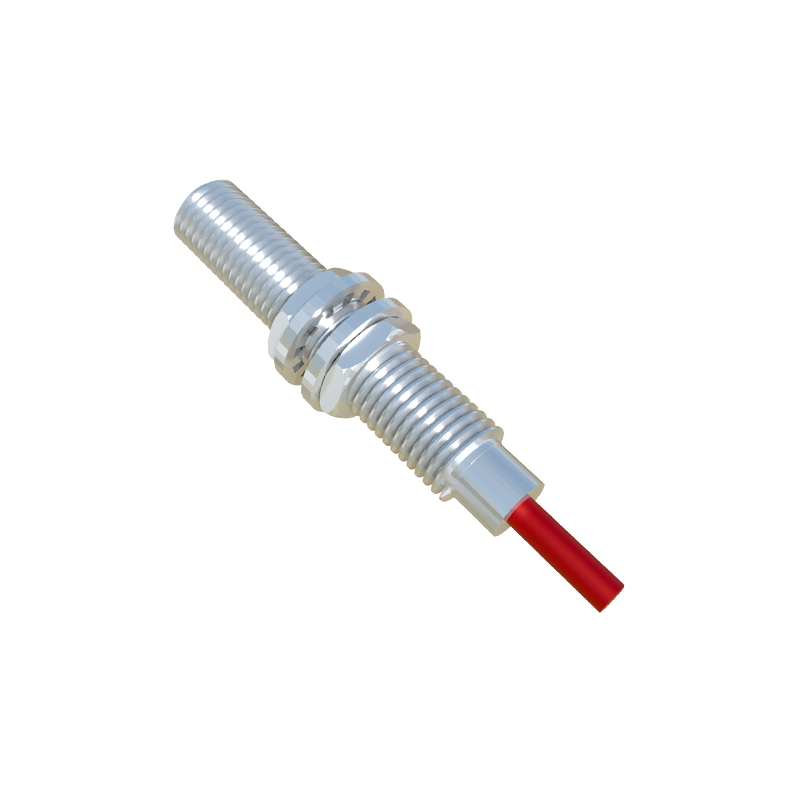
The housing of a multifunctional proximity sensor is critical for its performance and longevity. Constructed from materials such as stainless steel, plastic composites, or aluminum alloys, the enclosure provides mechanical strength and environmental resistance. Key design features include IP (Ingress Protection) ratings to ensure waterproof and dustproof capabilities, making the sensor suitable for harsh industrial settings. The shape and size of the housing are optimized for easy installation in confined spaces, with mounting options like threaded barrels or bracket systems. Additionally, the housing incorporates connectors or cable outlets for electrical wiring, often designed to prevent strain and ensure secure connections. Internal sealing techniques, such as gaskets or epoxy filling, protect the electronic components from corrosion and vibration, enhancing durability in demanding applications.
Signal Processing and Control Unit
Integrated within the sensor structure is the signal processing and control unit, which interprets raw data from the sensing element. This unit comprises microprocessors, analog-to-digital converters (ADCs), and firmware algorithms that filter noise, calibrate readings, and execute logic functions. By processing signals in real-time, the sensor can adjust sensitivity thresholds, detect object speed, or trigger output responses. The control unit often includes programmable features, allowing users to customize parameters via software interfaces or external controllers. This flexibility enables the sensor to adapt to specific application needs, such as adjusting detection ranges or switching between sensing modes. Electrical components are mounted on printed circuit boards (PCBs) that are securely housed within the enclosure, with thermal management systems to dissipate heat and maintain optimal operating temperatures.
Output Interface and Connectivity
Multifunctional proximity sensors feature versatile output interfaces to communicate with external systems. Common output types include digital signals (e.g., PNP/NPN transistors), analog outputs (e.g., 4-20 mA or 0-10 V), and serial communication protocols like IO-Link, PROFIBUS, or Ethernet/IP. These interfaces facilitate seamless integration with programmable logic controllers (PLCs), human-machine interfaces (HMIs), and industrial networks. The structural design ensures that output terminals are easily accessible, often through standardized connectors that support quick wiring and replacement. Some sensors also include diagnostic LEDs or display screens for status indication, aiding in troubleshooting and maintenance. By offering multiple connectivity options, these sensors enhance interoperability in automated setups, enabling data exchange for monitoring and control purposes.
Power Supply and Energy Management
The power supply section is a vital structural component, providing the necessary electrical energy for sensor operation. Multifunctional proximity sensors typically operate on low-voltage DC power sources, such as 10-30 VDC, with built-in protection against overvoltage, reverse polarity, and short circuits. Energy-efficient designs incorporate power management circuits that minimize consumption, extending the sensor's lifespan and reducing operational costs. In battery-powered or wireless variants, energy harvesting techniques or low-power modes may be implemented to conserve battery life. The power input is often isolated from signal outputs to prevent interference, ensuring stable performance. Structural considerations include dedicated compartments for power wiring, with clear labeling to prevent installation errors and enhance safety in electrical systems.
Application-Specific Customizations
To