Introduction to Photoelectric Sensor Durability
In the demanding landscape of industrial automation, the durability of a photoelectric sensor is not merely a feature but a fundamental requirement for reliable operation. These sensors, which detect the presence, absence, or distance of objects using a light transmitter and receiver, are subjected to harsh conditions including mechanical shock, chemical exposure, extreme temperatures, and constant vibration. A sensor's longevity directly impacts production uptime, maintenance costs, and overall system stability. Therefore, understanding and selecting sensors based on their robust specifications is critical for engineers and system integrators. This article delves into the key technical parameters that define a truly durable photoelectric sensor, moving beyond basic detection functionality to examine the specifications that ensure survival and consistent performance in challenging environments.
Ingress Protection (IP) and National Electrical Manufacturers Association (NEMA) Ratings
The first line of defense for any industrial component is its sealing against environmental intrusions. The Ingress Protection (IP) rating, defined by the international standard IEC 60529, is paramount. For durable sensors, ratings of IP67, IP68, and IP69K are common benchmarks. IP67 guarantees protection against dust ingress and temporary immersion in water up to 1 meter for 30 minutes. IP68 offers protection against continuous immersion under conditions specified by the manufacturer. IP69K provides protection against high-pressure, high-temperature water jets, making it ideal for washdown applications in food and beverage or pharmaceutical industries. In North America, NEMA ratings (e.g., NEMA 4X) are also widely used, indicating protection against hose-directed water and corrosion. Selecting a sensor with the appropriate IP or NEMA rating for the specific environmental hazards is the foundational step in ensuring durability.
Housing Material and Construction
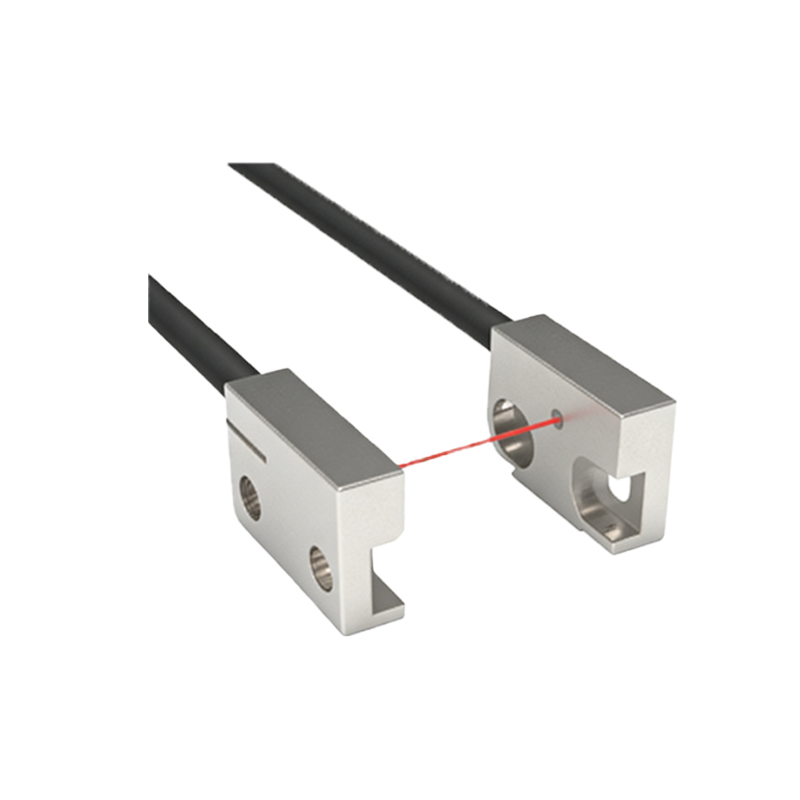
The sensor's housing material is a critical determinant of its physical and chemical resilience. For maximum durability, housings are typically constructed from stainless steel (such as V2A or V4A/316L) or high-performance plastics like PBT or PPS. Stainless steel offers superior resistance to corrosion, impacts, and high temperatures. It is the preferred choice in metalworking, heavy machinery, and chemically aggressive environments. High-quality plastic housings, often with fiberglass reinforcement, provide excellent resistance to a wide range of chemicals, acids, and alkalis while being electrically insulating. The construction should also feature robust, laser-welded seams or ultrasonic welding to eliminate gaps where contaminants could penetrate. The lens material, usually made from scratch-resistant glass or specialized polymers, must also be chosen for clarity and resistance to abrasion from particulate matter.
Operating Temperature Range
Industrial processes can generate significant heat, while outdoor applications or cold storage facilities present low-temperature challenges. A durable photoelectric sensor must maintain its specified performance across a wide temperature range. Standard industrial sensors typically operate from -25°C to +55°C. However, ruggedized models are available with extended ranges, such as -40°C to +70°C or even higher for specific applications. It is crucial to consider both the ambient temperature and any process-generated heat. Prolonged operation at the extremes of the range can affect the light source's output (particularly for LEDs), the electronics' response time, and the physical properties of seals and housing. Specifying a sensor with a generous temperature margin beyond the expected environmental conditions is a key strategy for enhancing long-term durability.
Resistance to Shock and Vibration
Continuous operation on moving machinery, conveyors, or in heavy manufacturing exposes sensors to significant mechanical stress. Specifications for shock and vibration resistance are defined by standards like IEC 60068-2-6 (vibration) and IEC 60068-2-27 (shock). Vibration resistance is often rated in terms of frequency range (e.g., 10 to 55 Hz) and acceleration (e.g., 10 G). Shock resistance is rated by the peak acceleration (e.g., 30 G for 11 ms) the sensor can withstand without damage. Durable sensors incorporate design features such as potted electronics, where internal components are encapsulated in a solid resin compound. This potting secures components, dampens vibrations, and provides additional protection against humidity and condensation, which are common byproducts of thermal cycling in vibrating environments.
Electrical Specifications and Connection Integrity
Electrical robustness is another pillar of durability. This encompasses stable operation across a wide supply voltage range (e.g., 10-30 V DC), protection against reverse polarity, and short-circuit protection on the output. Advanced models include surge protection and immunity to electromagnetic interference (EMI) as per standards like IEC 61000-6-2. The connection method is equally vital. While cable versions exist, sensors with robust M8 or M12 quick-disconnect connectors are industry standards. These connectors should have a high mating cycle rating and be available in coded versions to prevent incorrect mating. The cable itself, if integrated, should have a high-flex rating with PUR or TPE sheathing for resistance to oils and chemicals. A loose connection or cable failure is a common point of failure, so the electrical interface must be as rugged as the sensor itself.
Light Source and Sensing Performance Stability
The core sensing element's durability is often overlooked. The longevity of the light source, typically an LED, is measured in tens of thousands of hours. However, in dirty environments, lens contamination is the primary cause of performance degradation. Durable sensors address this through features like a "teach-in" function for automatic adjustment of sensitivity, or built-in contamination monitoring that provides a warning signal when the lens becomes too dirty. Some models use modulated light (often in the infrared spectrum) and synchronous detection to ignore ambient light, ensuring stable operation under varying lighting conditions. The sensing range should have a generous reserve or "factor of safety" relative to the application's required distance to compensate for minor misalignment or buildup over time.
Conclusion: Selecting for Long-Term Value
Specifying a durable photoelectric sensor requires a holistic view of the application's environmental and operational demands. It is an exercise in risk mitigation. While initial cost is a factor, the total cost of ownership is heavily influenced by reliability, mean time between failures (MTBF), and maintenance requirements. By meticulously evaluating specifications for environmental sealing (IP/NEMA), housing material, temperature range, mechanical robustness, electrical integrity, and sensing stability, engineers can select sensors that will deliver consistent, trouble-free service for years. This proactive specification approach minimizes unplanned downtime, reduces lifecycle costs, and forms the backbone of a resilient and efficient automation system. Always consult the manufacturer's detailed datasheets and application notes to match the sensor's proven capabilities with your specific industrial challenges.