Understanding the Core Technology
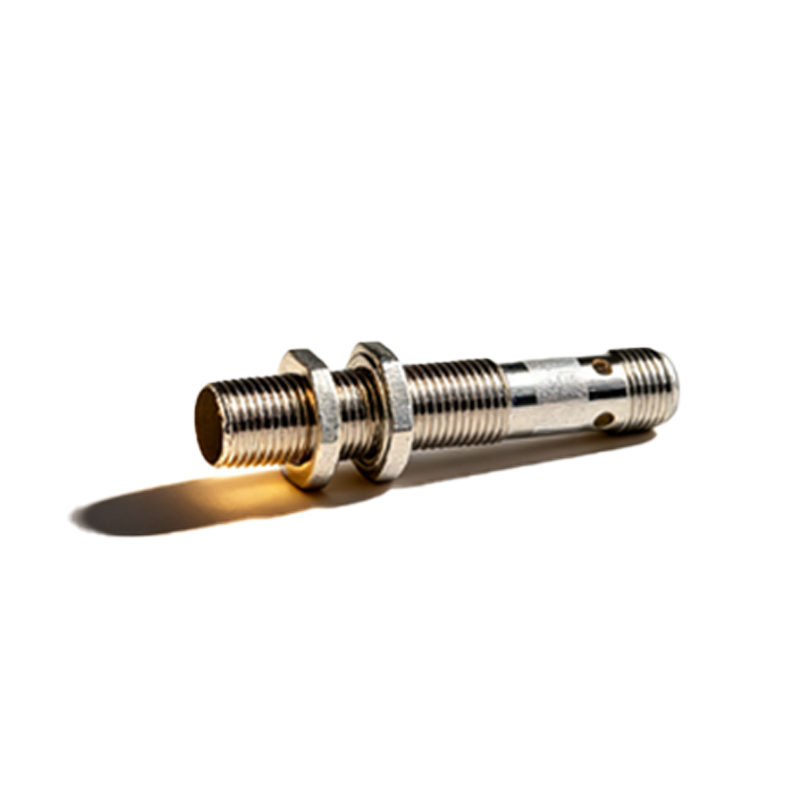
Micro inductive proximity sensors are non-contact electronic devices designed to detect the presence or absence of metallic objects within a very short range, typically from a fraction of a millimeter to a few millimeters. At their heart lies a high-frequency oscillator circuit that generates an electromagnetic field from a coil wound around a ferrite core. When a metallic target enters this active field, eddy currents are induced on the target's surface. These eddy currents draw energy from the oscillator, causing a reduction in its amplitude. This amplitude change is detected by a threshold circuit, which subsequently triggers a solid-state output switch. The entire sensing element is miniaturized into an extremely compact housing, often with diameters as small as 3mm or 4mm, making them indispensable for applications with severe space constraints. Their operation is fundamentally dependent on the conductivity and magnetic permeability of the target material, with ferrous metals like steel typically offering the longest sensing ranges.
Key Advantages and Performance Characteristics
The primary advantage of these micro sensors is their ability to provide precise, wear-free detection in confined spaces where larger sensors cannot fit. Because they operate without physical contact, they eliminate mechanical wear on both the sensor and the target, ensuring exceptionally long service life and high reliability. They are inherently robust, featuring solid-state construction with no moving parts, which makes them highly resistant to vibration, shock, and environmental contaminants like dust, oil, and coolants when properly sealed (common protection ratings include IP67 and IP69K). Their switching frequency is remarkably high, often reaching several kilohertz, allowing them to detect very fast-moving objects or count items on high-speed production lines. Furthermore, they are largely immune to ambient light conditions and can detect through certain non-metallic materials like plastics, enabling hidden or protected installation.
Critical Application Areas in Modern Industry
Micro inductive proximity sensors find critical roles across automated manufacturing and precision engineering. In robotics and collaborative robot (cobot) arms, they are used for end-effector tool detection, gripper jaw positioning, and verifying the presence of small parts. Within semiconductor and electronics manufacturing, they monitor wafer handling, verify component placement on PCBs, and control miniature pneumatic actuators. The automotive industry relies on them for verifying gear position in compact transmissions, detecting piston position in fuel injection systems, and ensuring safety in seat belt pretensioners. They are also fundamental in packaging machinery for cap detection on small vials, in medical devices for fluid level sensing, and in CNC machining centers for tool breakage detection and pallet positioning.
Navigating the Selection Process
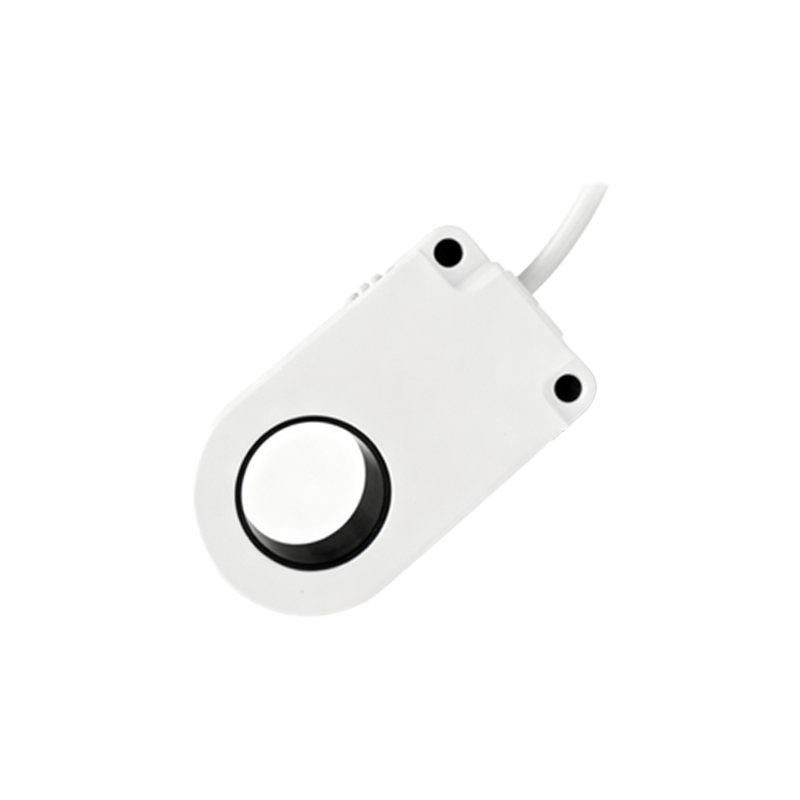
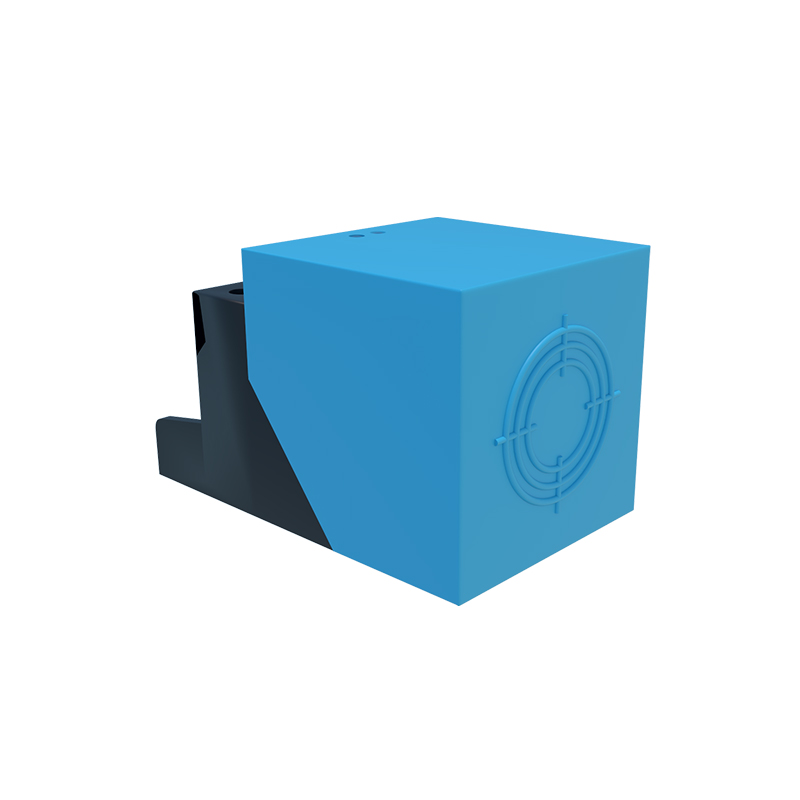
Selecting the correct micro inductive sensor requires careful consideration of several parameters. First, the required sensing distance, or nominal range (Sn), must be determined, keeping in mind that the effective operating distance is typically 70-80% of Sn to account for manufacturing tolerances and temperature variations. The housing shape—tubular, rectangular, or slot-type—must suit the mounting space and orientation relative to the target. The electrical output type (e.g., NPN normally-open, PNP normally-closed, or analog 4-20mA) must be compatible with the controller's input module (PLC, microcontroller). Other vital specifications include the switching frequency, supply voltage range (commonly 10-30V DC), temperature rating, and the required ingress protection (IP) rating for the operating environment. For challenging applications, special variants with weld-field immunity, extended temperature ranges, or all-stainless-steel housings are available.
Installation and Operational Best Practices
Proper installation is crucial for reliable operation. A fundamental rule is to maintain adequate clearance around the sensor's active face; mounting the sensor flush in metal will drastically reduce its sensing range. Non-flush or shielded sensors require a free zone around their sensing face as specified by the manufacturer. The target approach should be axial for tubular sensors to ensure consistent performance. Electrical noise from motors or frequency drives can interfere with sensor signals, so using shielded cables, keeping wiring separate from power lines, and employing sensors with built-in noise immunity is recommended. Regular maintenance, though minimal, should involve checking for physical damage, buildup of metallic swarf on the sensing face, and verifying the stability of the supply voltage to prevent erratic switching behavior.