Introduction to Through-Beam Photoelectric Sensing
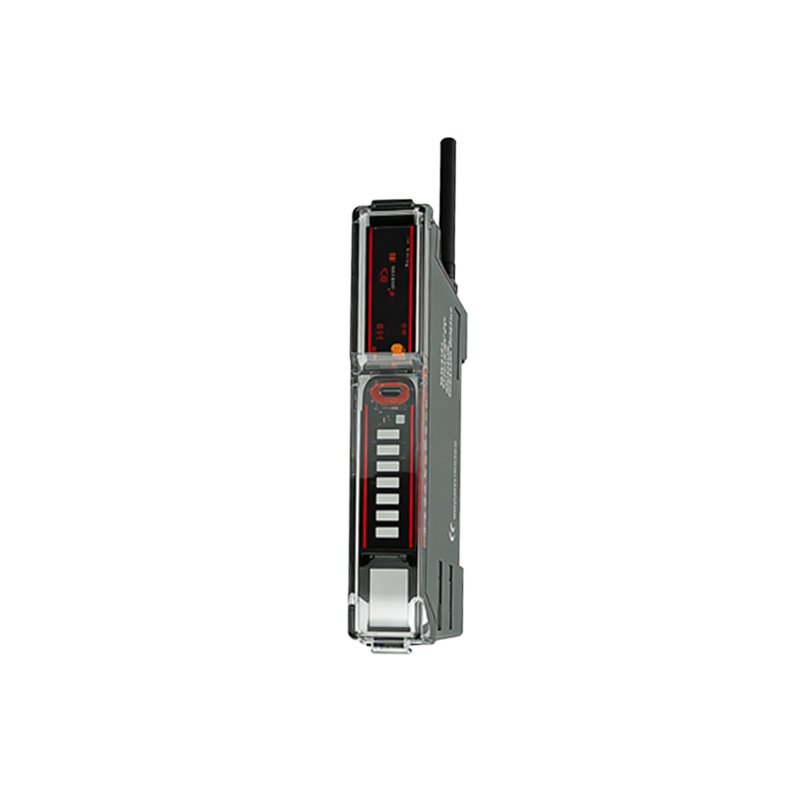
Through-beam photoelectric sensors, often considered the most robust and reliable type in the photoelectric family, operate on a straightforward principle. The system consists of two separate units: a transmitter and a receiver. The transmitter emits a continuous or modulated beam of light, typically infrared, visible red, or laser. The receiver, positioned directly opposite the transmitter, is dedicated to detecting this specific light beam. An object is detected when it physically interrupts the light path between these two units. This simple "light-on" or "light-off" detection method provides exceptional reliability and long sensing ranges, making it a cornerstone technology in industrial automation.
Core Operating Principle and Components
The fundamental operation hinges on the precise alignment of the transmitter and receiver. The transmitter contains a light-emitting diode (LED) or laser diode that generates the light beam. Modern sensors often use a modulated pulse pattern, which allows the receiver to distinguish the signal from ambient light, enhancing immunity to interference. The receiver houses a phototransistor or photodiode tuned to the transmitter's frequency. When the beam is uninterrupted, the receiver's output is in one state (e.g., "ON"). The moment an object breaks the beam, the receiver loses the signal, triggering a change in its output state (e.g., "OFF"). This binary operation is highly immune to factors like object color, reflectivity, or surface texture, as detection depends solely on beam blockage.
Key Advantages and Strengths
Through-beam sensors offer several distinct advantages. First, they provide the longest possible sensing ranges among photoelectric types, capable of detecting objects over distances of tens or even hundreds of meters with high-power laser models. Second, they exhibit high positional accuracy and consistency because the detection point is exactly where the beam is broken. Third, they are largely unaffected by the target object's characteristics, reliably detecting clear glass, shiny metal, or dark matte surfaces with equal efficacy. Finally, their simple principle translates into high durability and stability in challenging environments with dust, steam, or vibration, provided the lenses are kept clean.
Common Industrial Applications
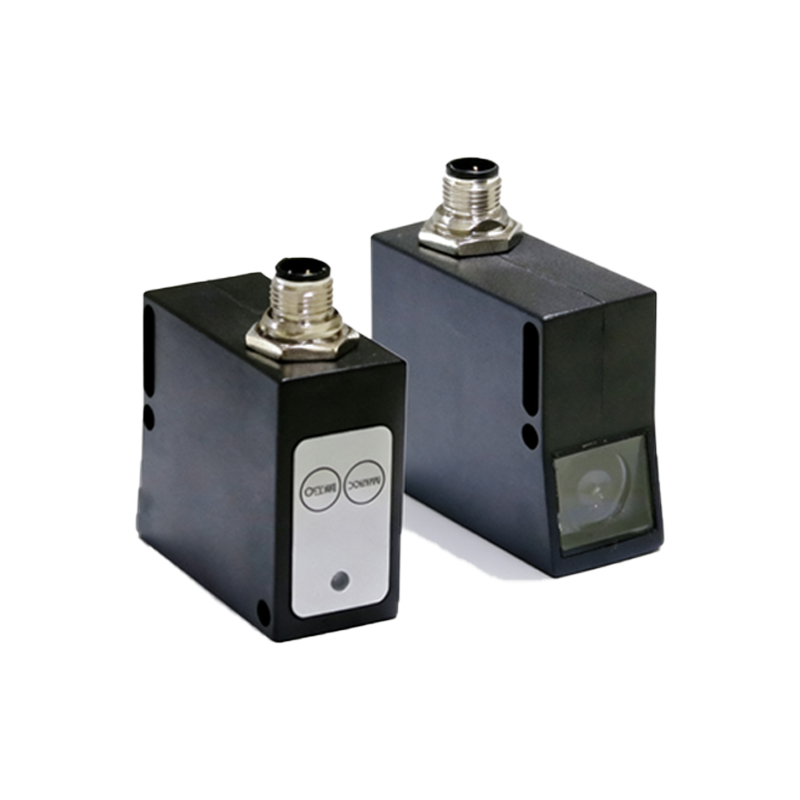
These sensors are ubiquitous in automation and safety systems. A primary application is in object counting on high-speed conveyor lines, such as in packaging, bottling, and material handling, where they accurately tally products passing by. They are essential for break detection in web processes for paper, plastic, or textiles, instantly identifying material tears or snaps. Another critical use is in safety light curtains, where arrays of through-beam sensors create an invisible protective barrier around hazardous machinery. They are also deployed for precision positioning, edge guiding, and detecting the presence or absence of objects in automated assembly and robotics.
Installation and Alignment Considerations
Proper installation is paramount for reliable operation. The most critical task is the precise mechanical alignment of the transmitter and receiver. Misalignment can cause intermittent detection or complete failure. Many sensors feature built-in alignment aids like visual alignment spots or audible signal indicators. Stable mounting is required to prevent vibration from disturbing the alignment over time. The sensor housing must be selected to match the environmental conditions, considering factors like ingress protection (IP) rating for dust and water, and chemical resistance. Regular lens cleaning is a simple but vital maintenance task to prevent false triggers from dirt accumulation.
Selecting the Right Through-Beam Sensor
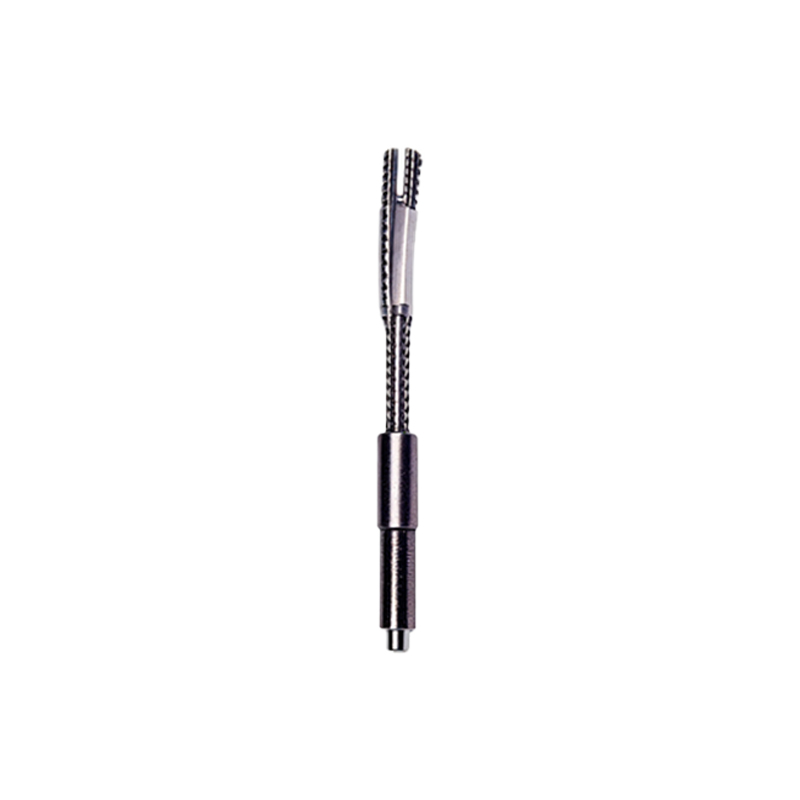
Choosing an appropriate sensor involves evaluating several parameters. Sensing range is the first consideration; ensure the chosen model's rated range exceeds the actual installation distance with a safety margin. The light source type is next: standard infrared for general use, visible red for easier alignment, or laser for precise, long-range applications. The output configuration (e.g., NPN/PNP transistor, relay, analog) must be compatible with the control system (PLC). Environmental ruggedness, indicated by IP and NEMA ratings, is crucial for harsh conditions. Finally, consider special features like built-in timers, diagnostic LEDs, or synchronization capabilities for multiple sensors to prevent crosstalk.
Troubleshooting Common Issues
Even robust systems can encounter problems. The most frequent issue is loss of alignment due to mechanical shock or drift; realignment is the standard fix. A dirty lens on either unit will attenuate the light signal, leading to unreliable operation; cleaning is the solution. Electrical noise from nearby motors or drives can interfere with the signal or output; using shielded cables and ensuring proper grounding is essential. If an object is not detected, verify that it is large enough to fully interrupt the beam at the installed position. Consistently checking the sensor's diagnostic indicators can quickly isolate whether the problem lies with power, output, or the signal strength itself.
Comparison with Other Sensing Modes
It is instructive to contrast through-beam sensors with reflective and diffuse models. Retro-reflective sensors use a single unit and a reflector, offering easier installation but shorter ranges and potential issues with shiny objects. Diffuse (proximity) sensors detect light reflected directly from the target, requiring only one unit but being highly sensitive to the target's color and surface. The through-beam method sacrifices easier installation for superior performance in range, accuracy, and environmental immunity. The choice ultimately depends on the specific application's requirements for precision, range, environmental conditions, and installation constraints.
Future Trends and Developments
The evolution of through-beam photoelectric sensors continues. Trends include the miniaturization of components allowing for smaller housings without sacrificing performance. Enhanced connectivity via IO-Link and other industrial Ethernet protocols is becoming standard, enabling remote configuration, monitoring, and diagnostic data extraction for predictive maintenance. There is also a push toward higher-intensity, more energy-efficient light sources and advanced optics to achieve even longer ranges and better background suppression. Integration with smart factory systems, where sensor data contributes to larger data analytics platforms, is defining the next generation of these fundamental devices.