Introduction to Photoelectric Sensing
Photoelectric sensors are fundamental components in industrial automation, utilizing light beams to detect the presence, absence, or distance of objects. Their operation hinges on the emission of light from a transmitter and the reception of this light, or the lack thereof, by a receiver. The core principle involves the conversion of light signals into electrical signals, enabling precise control and monitoring in diverse applications, from packaging lines to safety systems. Understanding the specific terminology associated with these devices is crucial for proper selection, integration, and troubleshooting in any engineering project. This guide details the essential terms that every electrical and automation engineer should master.
Core Operational Modes
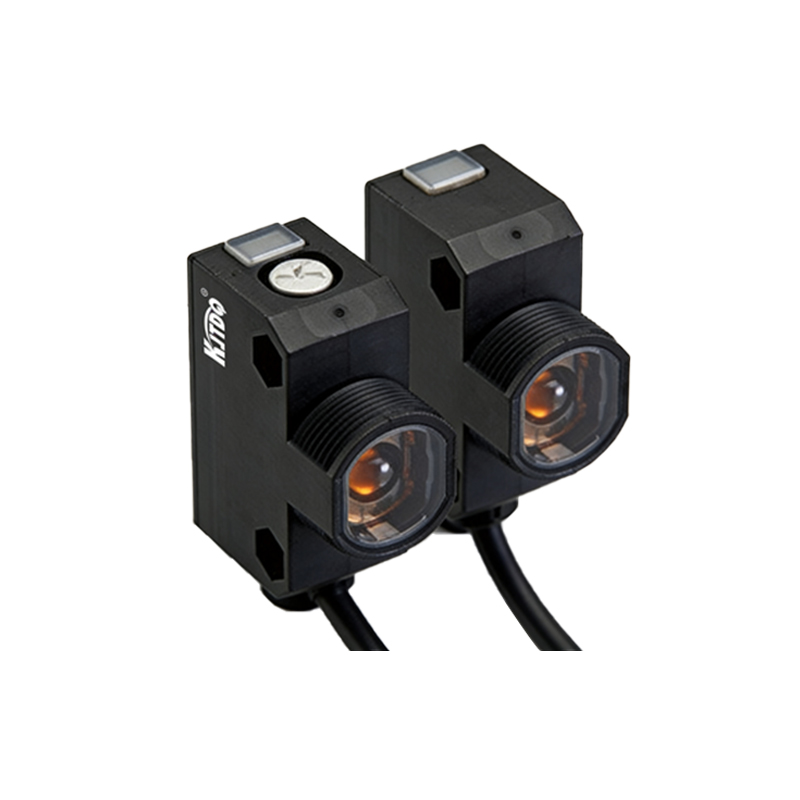
Three primary sensing modes define photoelectric sensor functionality. Through-beam sensors, also known as opposed-mode sensors, consist of separate, aligned transmitter and receiver units. An object is detected when it interrupts the light beam. This mode offers the longest sensing ranges and highest reliability. Retro-reflective sensors house both transmitter and receiver in a single housing, using a reflector to bounce the light beam back. Detection occurs when an object breaks this reflected beam. Diffuse or proximity sensors also have a combined transmitter and receiver, but they detect objects based on the diffuse reflection of light from the target's surface itself. The sensing distance is shortest and can be influenced by the object's color and surface texture.
Light Source and Wavelength
The light source is a critical specification. Light-Emitting Diodes (LEDs) are the most common, prized for their long life, compact size, and low heat generation. Key wavelengths include red visible light (around 660 nm), which is easy to align, and infrared (IR, around 880 nm), which is invisible and less susceptible to ambient light interference. For specialized applications, laser diodes provide extremely focused beams for precise detection of small objects or long ranges, while green LEDs can improve detection of red objects or reduce background reflection issues.
Key Performance Specifications
Several specifications determine a sensor's suitability for an application. Sensing Distance, often listed as the standard sensing distance for diffuse sensors or the maximum distance for through-beam models, defines operational range. Repeatability refers to the consistency of the detection point under identical conditions. Response Time is the delay between the sensing event and the output signal change, critical for high-speed applications. Environmental ratings like Ingress Protection (IP) codes (e.g., IP67) indicate resistance to dust and water, while Operating Temperature Range defines the ambient conditions the sensor can withstand.
Output Types and Electrical Connections
Sensors provide electrical signals via different output configurations. Discrete outputs are most common: NPN (sinking) and PNP (sourcing) transistor outputs interface with programmable logic controllers (PLCs). Analog outputs (e.g., 0-10V, 4-20mA) provide a continuous signal proportional to distance or light intensity, used in positioning or transparency measurement. Relay outputs are used for switching higher-power loads. Connection is typically via pre-wired cables or quick-disconnect M8 or M12 connectors, with 3-wire, 4-wire, or 5-wire configurations supporting different output and function combinations.
Advanced Function Features
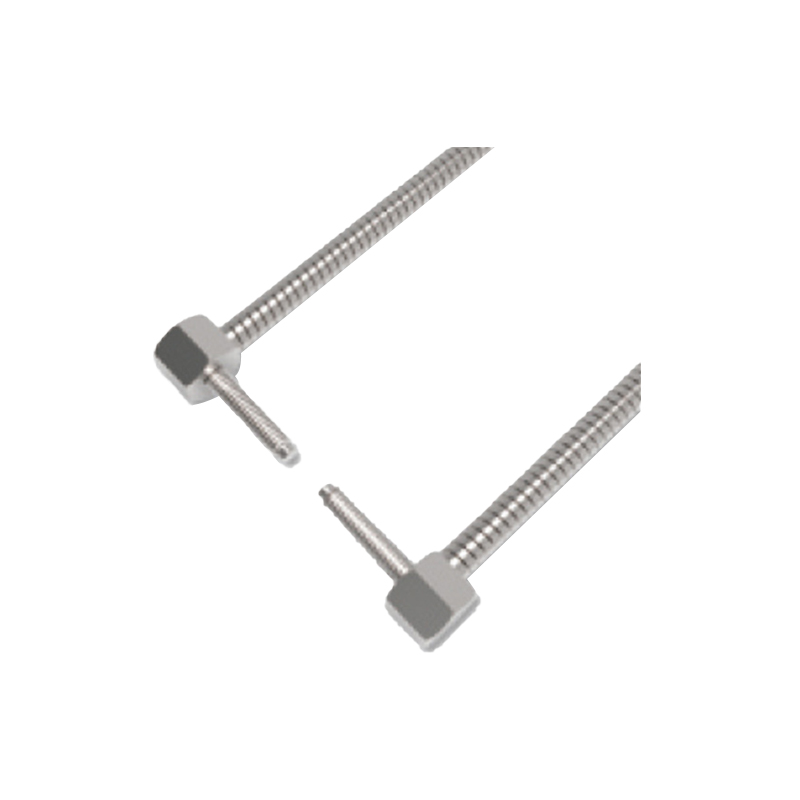
Modern sensors incorporate intelligent features to solve application challenges. Background Suppression uses triangulation or time-of-flight principles to detect objects only within a defined sensing window, ignoring surfaces beyond a set distance. Contrast sensors are tuned to detect differences in reflectivity between a target and its background. Fiber optic sensors use flexible light guides to deliver light to and from cramped or hostile environments, with the amplifier unit located remotely. Light-on/Dark-on operation allows the user to configure whether the output activates when light is received (Light-on) or when it is blocked (Dark-on).
Alignment and Diagnostic Indicators
Proper alignment is vital for reliable operation. Most sensors feature visual indicators such as a stable LED that turns on when power is applied and a switching indicator that activates upon detection. Advanced models include a Signal Strength Indicator, often a bar graph of LEDs, that shows the intensity of the received light, greatly simplifying alignment and troubleshooting by quantifying beam integrity. This allows engineers to optimize the installation and diagnose issues like lens contamination or misalignment.
Application-Specific Terminology
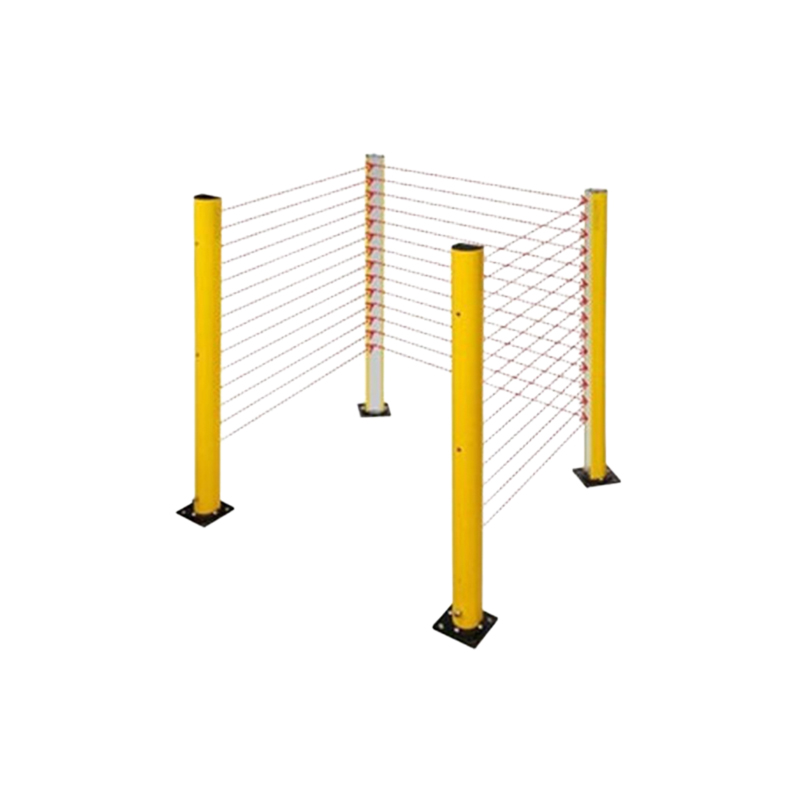
Certain terms arise in specific use cases. In transparent object detection, sensors may use Polarized Filters to reject reflections from shiny surfaces. For label detection on packaging, a Luminescence sensor detects the faint glow of optical brighteners in adhesives or paper. In safety applications, a Safety Light Curtain consists of an array of through-beam sensors creating a protective plane. The term "Suppression" is also used in foreground suppression sensors, which ignore very close objects to detect only those at a farther, preset distance.
Conclusion and Selection Criteria
Mastering photoelectric sensor terminology empowers engineers to navigate datasheets and catalogs effectively. The selection process involves a systematic evaluation: first, define the object properties (size, material, color) and the required sensing mode based on the installation environment. Then, specify the necessary sensing distance, response speed, and output type to interface with the control system. Finally, confirm the environmental durability and any advanced features like background suppression or diagnostic aids. A precise understanding of these terms ensures optimal sensor performance, enhancing system reliability and efficiency.