Introduction to Photoelectric Sensors
Photoelectric sensors are a fundamental and versatile category within the broader field of industrial automation and sensing technology. They operate on the principle of using light, typically emitted from a light source such as an LED or laser diode, to detect the presence, absence, or distance of an object. The core mechanism involves the emitter projecting a light beam, which is then either reflected back to a receiver within the sensor, interrupted by an object, or received by a separate receiver unit. Changes in the received light signal are processed to generate a discrete or analog output. This non-contact method of detection offers significant advantages, including high speed, long sensing ranges, and reliability in harsh environments where physical contact is undesirable. Their ability to detect a vast array of materials—from metals and plastics to glass and liquids—makes them indispensable in modern manufacturing, packaging, material handling, and safety systems.
Primary Classification by Sensing Modes
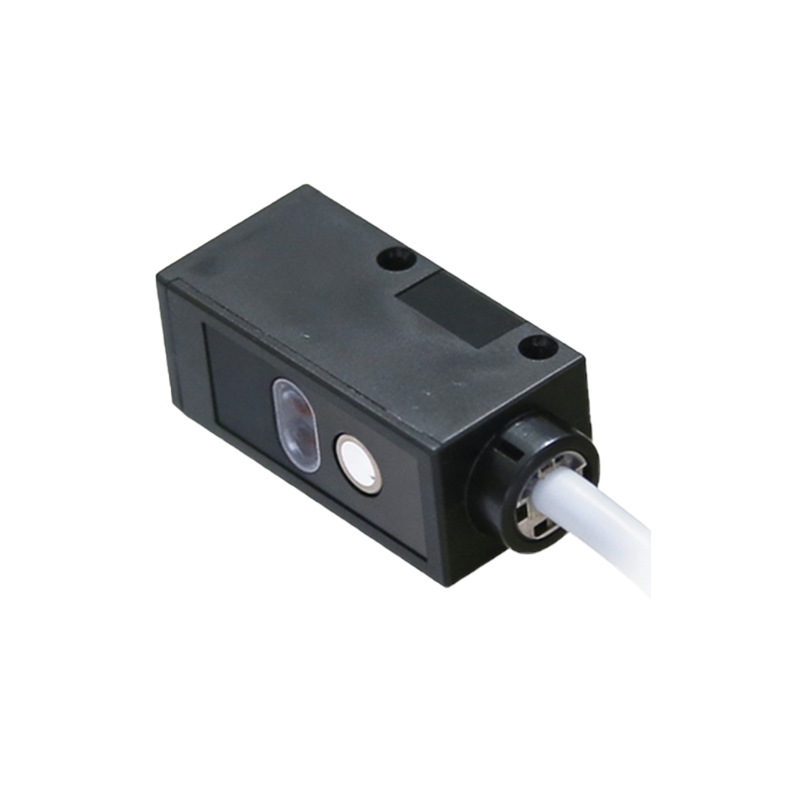
Photoelectric sensors are primarily classified into three main types based on their operational mode and configuration: through-beam, retro-reflective, and diffuse reflective. The through-beam sensor, also known as a opposed-mode sensor, consists of two separate units: an emitter and a receiver placed opposite each other. Detection occurs when an object breaks the light beam traveling between them. This mode offers the longest sensing range and highest reliability, as it is largely immune to the object's color, reflectivity, or surface finish. Retro-reflective sensors house both the emitter and receiver in a single housing. They rely on a reflector, typically a corner-cube prism, to bounce the light beam back to the receiver. An object is detected when it interrupts this return beam. These sensors provide a good balance of range and ease of installation. Diffuse reflective sensors, or proximity-mode sensors, also have a single housing. They detect an object when the emitted light reflects off the object's surface and returns to the receiver. The sensing performance here is highly dependent on the object's size, color, and texture.
Specialized Variants and Advanced Features
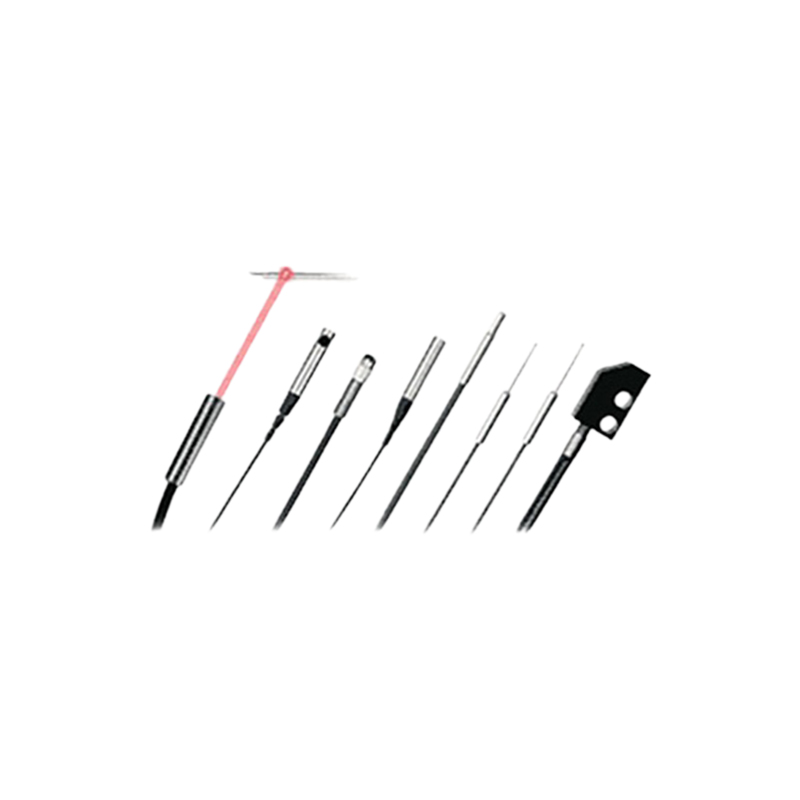
Beyond the three primary types, several specialized variants address specific application challenges. Background suppression sensors are a sophisticated type of diffuse sensor that can detect an object within a precise, defined distance while ignoring objects or surfaces beyond that set point, regardless of their reflectivity. This is crucial for consistent detection on conveyor belts or in bin-picking applications. Convergent beam sensors focus the emitted light at a specific fixed point, offering extremely precise positioning detection. Color sensors differentiate between colors by analyzing the reflected light's wavelength, essential in sorting and quality control. Luminescence sensors detect the presence of materials that fluoresce under UV light. Furthermore, modern photoelectric sensors incorporate advanced features like programmable logic, teach-in functions for easy setup, IO-Link for digital communication and parameterization, and robust housing with high IP ratings for washdown or dusty conditions.
Key Components and Operating Principles
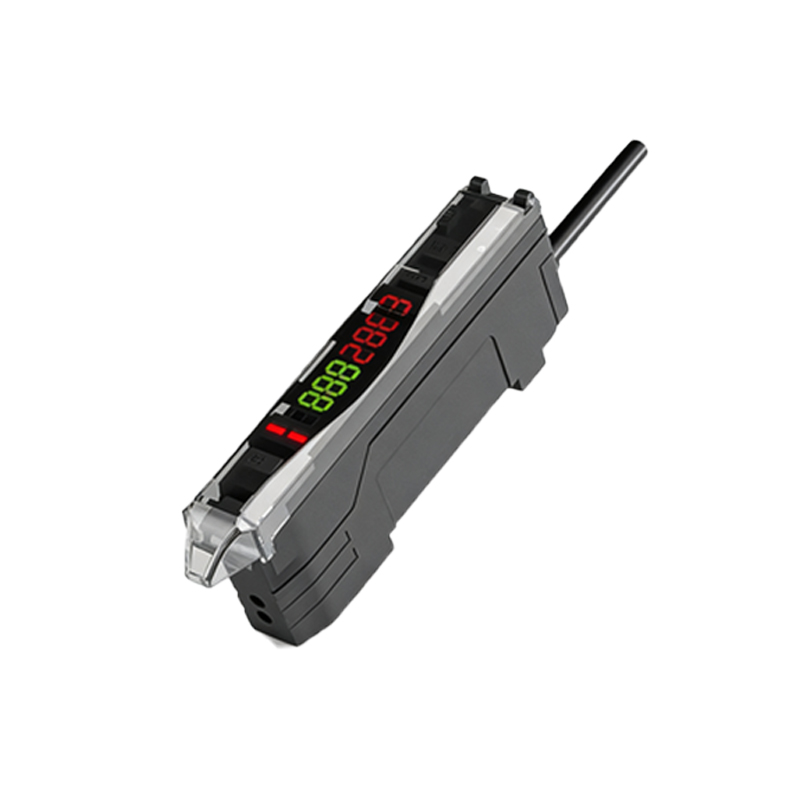
The functionality of a photoelectric sensor hinges on its key internal components. The light source is most commonly a modulated Light Emitting Diode (LED), with red, infrared, green, or blue wavelengths chosen based on application needs (e.g., blue light for detecting transparent objects). Laser diodes are used for applications requiring a very precise, focused beam. The receiver is typically a phototransistor or photodiode that converts the incoming light intensity into an electrical signal. The control circuit is the brain of the sensor; it modulates the emitted light to avoid interference from ambient light, amplifies the weak signal from the receiver, and processes it against a threshold to produce a clean, stable output signal. This output can be a simple digital switch (NPN or PNP), an analog signal (0-10V, 4-20mA), or a digital data stream via IO-Link or Ethernet.
Industry Applications and Selection Criteria
The application scope for photoelectric sensors is vast. In packaging, they count bottles, verify cap placement, and inspect labels. In automotive assembly, they ensure part presence and correct positioning. In material handling, they detect boxes on conveyors, control palletizing robots, and manage warehouse inventory. In food and beverage, they monitor fill levels and detect transparent containers. Safety light curtains, a specialized array of photoelectric beams, protect personnel around hazardous machinery. Selecting the right sensor involves a careful analysis of several factors: the required sensing range, the size and material of the target object, the environmental conditions (dust, moisture, temperature), the required response speed, the output type needed by the control system, and the physical mounting constraints. Understanding the specific challenge is key to choosing between a standard diffuse, a background suppression, or a through-beam solution.
Future Trends and Conclusion
The evolution of photoelectric sensors continues alongside Industry 4.0 and smart factory trends. Integration with Industrial Internet of Things (IIoT) platforms is becoming standard, allowing for predictive maintenance based on sensor performance data and remote monitoring. Miniaturization is enabling their use in tighter spaces, while enhanced connectivity protocols simplify integration into complex control architectures. Advances in optics and signal processing are improving their ability to handle difficult-to-detect objects, such as shiny or transparent materials. In conclusion, photoelectric sensors form a critical and diverse大类 (category) of automation components. Their non-contact principle, coupled with continuous technological refinement, ensures they remain a cornerstone solution for object detection across countless industries, driving efficiency, quality, and safety in automated processes worldwide.