Introduction to Long-Range Detection
In the realm of industrial automation and process control, the ability to detect objects or materials from a significant distance is a critical requirement. Long-range proximity sensors fulfill this need by providing non-contact sensing capabilities over distances that can extend from several centimeters to tens of meters. Unlike their standard counterparts designed for close-range applications, these sensors are engineered to overcome challenges such as signal attenuation, environmental interference, and target material variability. Their operation is fundamental to enabling advanced automation in large-scale facilities, warehouses, and outdoor applications where early detection is paramount for safety, sequencing, and inventory management.
Core Operating Principles
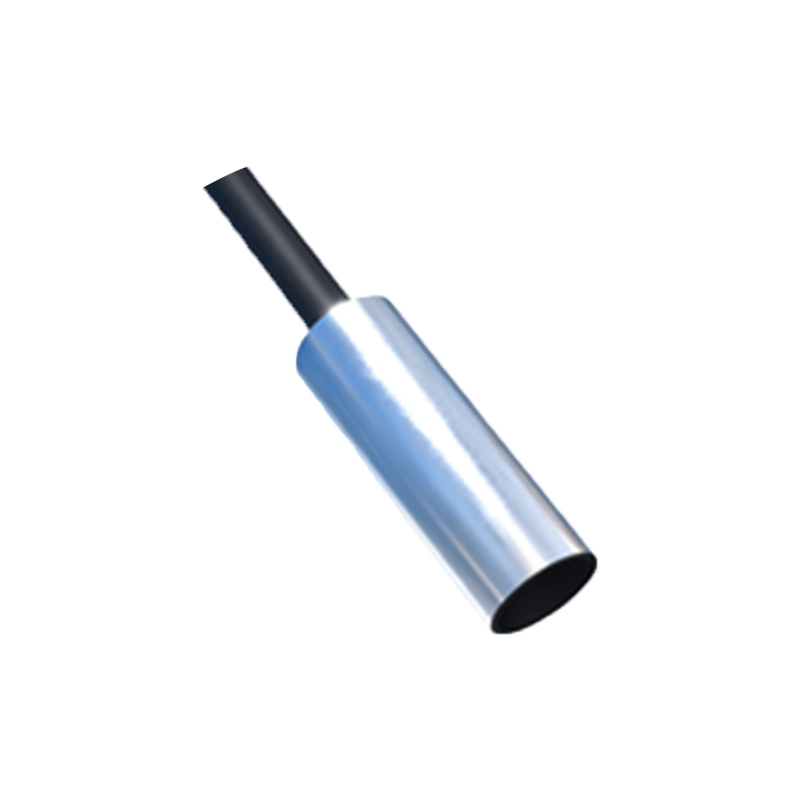
Long-range proximity sensors primarily operate on three fundamental principles: ultrasonic, photoelectric, and inductive. Ultrasonic sensors emit high-frequency sound waves and calculate distance by measuring the time-of-flight (ToF) for the echo to return. They are effective for ranges up to 10 meters or more and are largely unaffected by target color or transparency, though they can be influenced by temperature and air turbulence. Photoelectric sensors, particularly the through-beam and retro-reflective types, use modulated light beams (often laser) for detection. Laser-based sensors can achieve very long ranges, sometimes exceeding 100 meters, with high precision. Inductive sensors, while typically shorter-range, can be specialized for detecting large metal objects from distances of up to 100mm, which is considered long-range within that technology family.
Key Technology Deep Dive: LiDAR and Time-of-Flight
Advanced technologies like LiDAR (Light Detection and Ranging) and dedicated Time-of-Flight (ToF) sensors represent the cutting edge for long-range, high-accuracy applications. LiDAR systems use pulsed laser light to create high-resolution 3D maps of an environment, detecting objects at ranges of hundreds of meters. In industrial settings, compact LiDAR sensors are used for obstacle detection on automated guided vehicles (AGVs) and in large-area monitoring. ToF cameras, a variant, measure the phase shift or direct time delay of a modulated light signal, providing precise distance data for every pixel in a scene. These technologies excel in applications requiring detailed spatial awareness over a wide field of view at medium to long distances.
Critical Selection Parameters
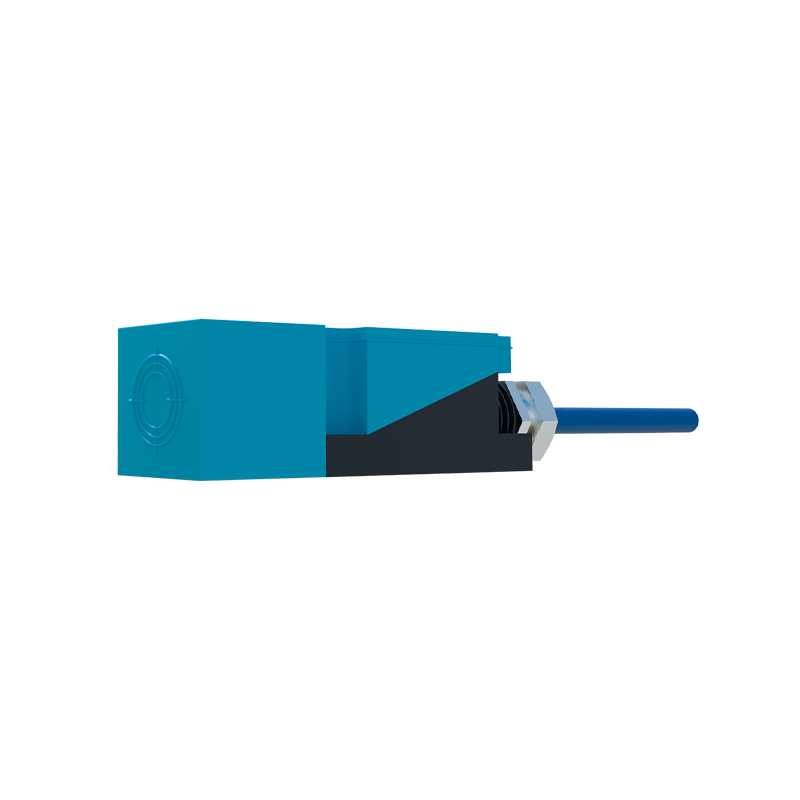
Selecting the appropriate long-range sensor requires careful analysis of several parameters. The stated sensing range is the foremost consideration, but engineers must also account for the sensor's repeatability, resolution, and response time. The target's properties—size, material, surface finish, and color—drastically affect performance. Environmental conditions pose significant challenges; factors like ambient light (for photoelectric sensors), dust, fog, rain, and extreme temperatures can degrade performance or cause false triggers. Therefore, specifications for ingress protection (IP rating), temperature operating range, and built-in environmental compensation algorithms are crucial evaluation points.
Overcoming Environmental and Application Challenges
Implementing long-range sensors successfully involves mitigating real-world challenges. For photoelectric sensors in sunny outdoor areas, models with powerful LEDs or lasers and sunlight immunity circuits are essential. Ultrasonic sensors may require temperature compensation to maintain accuracy. Background suppression technology in photoelectric sensors helps ignore distant objects beyond the set range. For detecting small objects at long range, a narrow, focused beam is necessary. Furthermore, electrical noise in industrial plants can interfere with sensor signals, necessitating robust shielding and differential output options in sensor design.
Prominent Industrial Use Cases
The applications for long-range proximity sensors are vast and growing. In material handling and logistics, they are used for pallet detection in high-bay warehouses, vehicle presence at dock doors, and package counting on long conveyors. In the automotive industry, they monitor vehicle position on assembly lines and robotic cell safety. Outdoor applications include level detection in silos or tanks, ship detection at ports, and traffic monitoring. AGVs and autonomous mobile robots (AMRs) rely heavily on long-range LiDAR and ultrasonic sensors for navigation and collision avoidance in dynamic environments.
Installation and Calibration Best Practices
Proper installation is key to reliable operation. Sensors must be securely mounted to minimize vibration, which can affect readings. Alignment for through-beam and retro-reflective photoelectric sensors is critical at long distances; laser sighting tools are invaluable here. The sensor should be positioned to avoid "dead zones" and to ensure the target passes through the effective sensing field. Regular calibration and maintenance, such as cleaning lenses or transducer faces, are necessary to sustain performance. Many modern sensors feature teach-in functions or software tools to simplify setup and adjustment for specific ranges.
Future Trends and Innovations
The future of long-range sensing is driven by integration and intelligence. Sensors are increasingly incorporating IO