Introduction to Photoelectric Sensing
Photoelectric sensor switches are fundamental components in modern industrial automation, offering non-contact detection of objects. These devices operate by emitting a beam of light, typically from an LED or laser diode, and detecting changes in the received light intensity. The core principle relies on the modulation of light caused by the presence, absence, or specific characteristics of a target object. This technology provides significant advantages over mechanical limit switches, including higher precision, faster response times, and minimal wear due to the absence of physical contact. Their versatility allows them to detect a vast range of materials, from metals and plastics to transparent glass and liquids, making them indispensable in complex manufacturing and packaging lines. The reliability and durability of photoelectric sensors contribute directly to increased production efficiency and reduced maintenance downtime.
Core Operating Principles
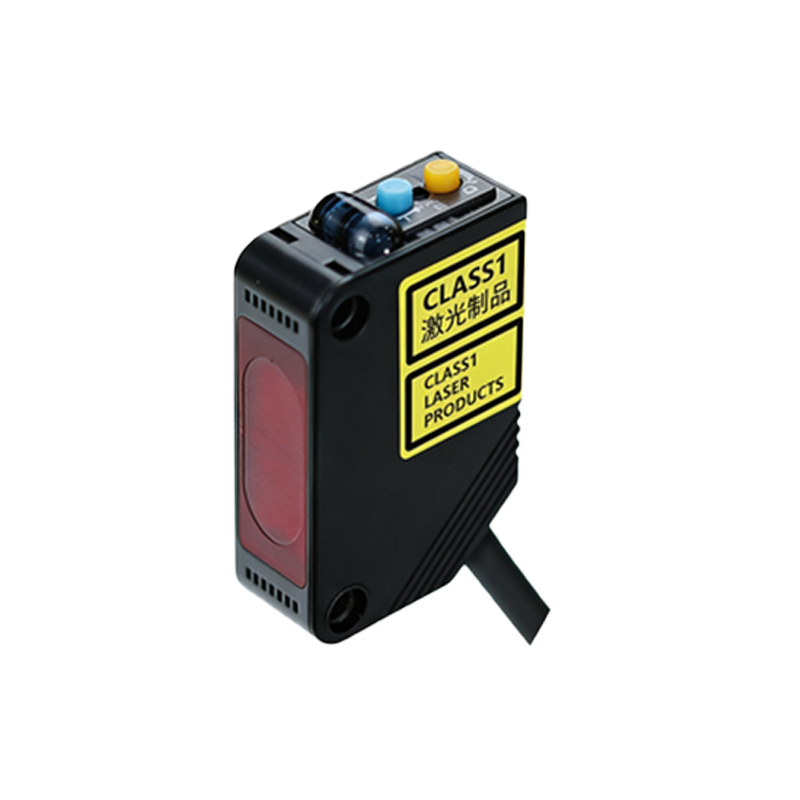
The functionality of a photoelectric sensor switch is based on three primary operational modes: through-beam, retro-reflective, and diffuse reflective. In the through-beam (or opposed) mode, the emitter and receiver are housed in separate units positioned opposite each other. An object is detected when it interrupts the light beam traveling from the emitter to the receiver. This mode offers the longest sensing range and highest reliability, as it is largely immune to the object's color, surface finish, or angle. The retro-reflective mode utilizes a single housing containing both emitter and receiver, along with a separate reflector. The emitted light beam is bounced back from the reflector to the receiver. Detection occurs when an object breaks this reflected beam. This mode simplifies wiring and alignment compared to through-beam setups. Finally, the diffuse reflective (or proximity) mode also uses a combined emitter/receiver unit, but it detects light reflected directly off the target object itself. The sensing distance depends heavily on the object's size, color, and surface texture.
Key Types and Technological Variations
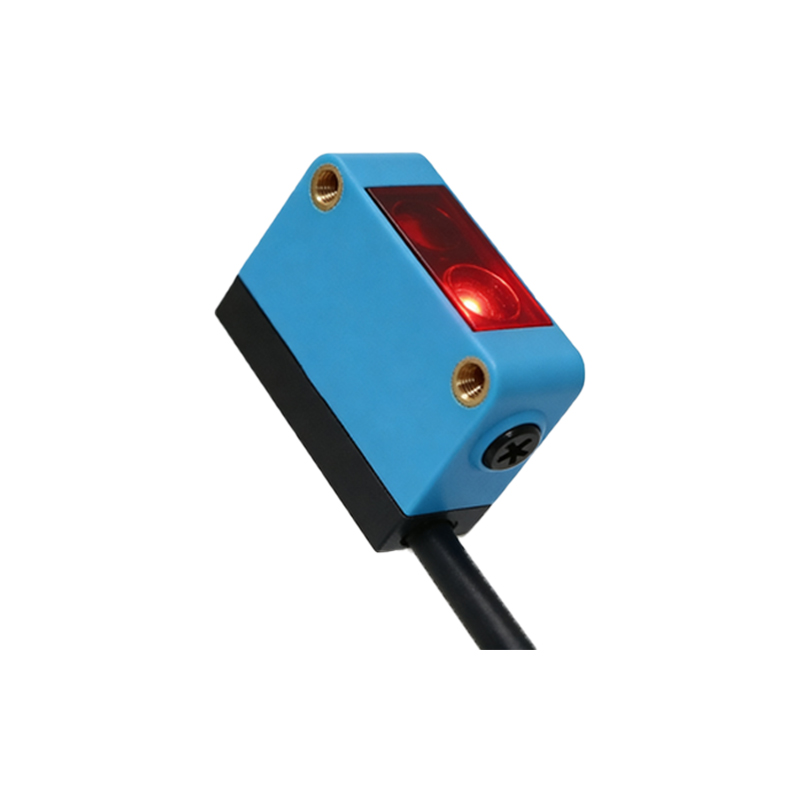
Beyond the basic operational modes, photoelectric sensors incorporate various technologies to suit specific challenges. Background suppression sensors are a sophisticated type of diffuse sensor that uses triangulation principles to detect objects only within a precise, defined range, ignoring surfaces beyond the set background. This is crucial for detecting objects on a conveyor belt, for instance, regardless of the belt's color or movement. Color mark sensors are tuned to detect specific color contrasts or luminescence, essential in printing and packaging for registration control. Fiber optic photoelectric sensors employ flexible fiber optic cables to guide light to and from a remote amplifier unit, enabling sensing in extremely confined, hot, or hazardous environments where the electronic components cannot be placed. Laser-based sensors provide extremely small, focused light spots for detecting very small objects or achieving high-precision positioning.
Critical Selection Parameters
Selecting the appropriate photoelectric sensor requires careful consideration of several application parameters. Sensing range is the maximum distance at which the sensor can reliably detect a standard target. The type of light source (red LED, infrared LED, laser) affects visibility for alignment and performance in different environments. Response time, often in the microsecond range, determines how fast the sensor can detect a passing object, which is critical for high-speed production. Environmental factors such as ambient light, dust, fog, temperature extremes, and potential washdown requirements dictate the needed ingress protection (IP) rating and housing material. Output configuration—whether NPN/PNP transistor, analog, or relay—must be compatible with the programmable logic controller (PLC) or other control system. Finally, mounting style, cable connection, and adjustability features are practical considerations for installation and maintenance.
Industrial Application Examples
The applications of photoelectric sensor switches span virtually every industry. In material handling and packaging, they are used for object counting, jam detection, and fill level control in bottles. On assembly lines, they verify the presence of components, check for correct orientation, and control robotic pick-and-place operations. In the automotive industry, sensors ensure precise positioning of parts during welding and assembly. They are pivotal in conveyor systems for detecting package position, triggering sortation gates, and ensuring proper spacing. In food and beverage processing, stainless steel, washdown-rated sensors perform tasks like detecting labels, monitoring liquid levels in tanks, and ensuring cap placement on bottles. Their non-contact nature makes them ideal for sterile or cleanroom environments as well.
Installation and Troubleshooting Tips
Proper installation is key to optimal sensor performance. Ensure stable mounting to prevent vibration-induced misalignment. For through-beam and retro-reflective sensors, precise alignment of the emitter, receiver, and reflector is critical; many modern sensors feature alignment indicators or audible signals to aid this process. Avoid mounting sensors where they will be exposed to direct, strong ambient light, which can cause interference; using sensors with modulated light signals can mitigate this issue. For diffuse sensors, be mindful of the target's reflectivity and potential background interference. Common troubleshooting steps include checking power supply connections, verifying alignment, cleaning the lens of dust or debris, and confirming that the sensing object is within the specified range and size requirements. Regularly reviewing the sensor's status via its built-in indicator LED can provide immediate diagnostic information.
Future Trends and Advancements
The evolution of photoelectric sensors continues to align with Industry 4.0 and smart factory trends. Integration of IO-Link communication is becoming standard, allowing for detailed parameter setting, remote monitoring, and predictive maintenance data from the sensor itself. Sensors are becoming smaller, more robust, and more energy-efficient. There is also a trend toward multi-functional devices that combine photoelectric sensing with other technologies, such as distance measurement (using time-of-flight principles) or even basic vision capabilities. Enhanced connectivity will enable sensors to communicate directly with higher-level systems, providing not just a simple switch signal but rich, contextual data about the production process, further driving automation intelligence and operational efficiency.