Understanding Photoelectric Proximity Sensor Technology
Photoelectric proximity sensors are indispensable components in modern industrial automation, offering non-contact detection of objects. They operate by emitting a beam of light, typically infrared, visible red, or laser, and detecting changes in the received light signal. The core principle involves the transmitter and receiver. In a through-beam sensor, these are separate units, where an object is detected when it interrupts the light beam. In a retro-reflective sensor, a single unit houses both emitter and receiver, relying on a reflector to bounce the light back; detection occurs when the beam is blocked. The most common type for varied applications is the diffuse reflective sensor, where the sensor itself detects the light reflected directly from the target object. This fundamental technology directly influences performance specifications and, consequently, the market price. Factors like sensing range, response time, and environmental immunity are determined by the optical design and quality of components.
Key Factors Influencing Sensor Pricing
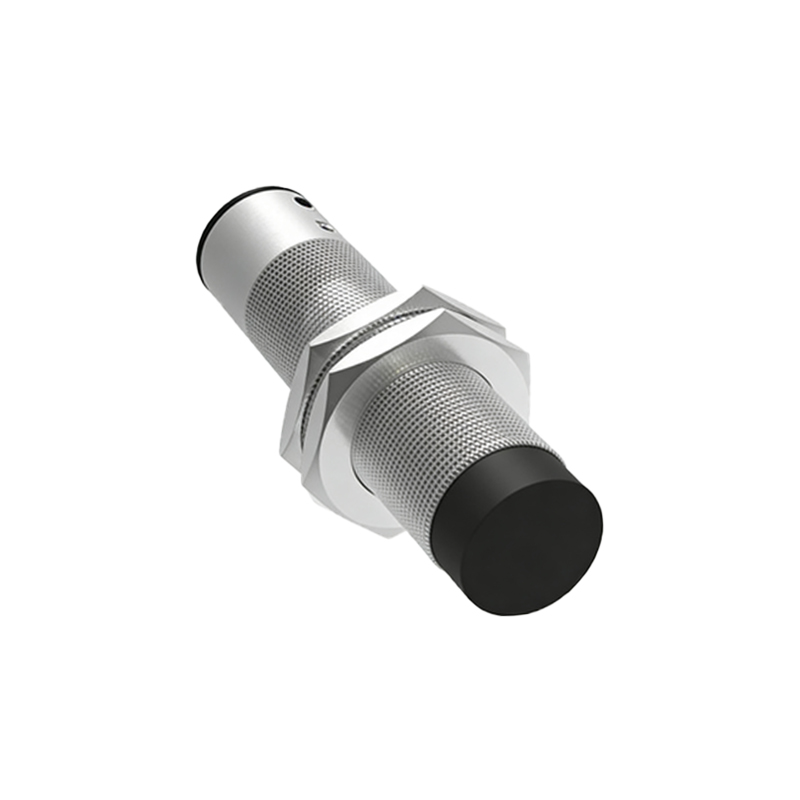
The price of a photoelectric proximity sensor is not a single figure but a spectrum determined by multiple technical and commercial factors. Sensing range is a primary driver; a standard diffuse sensor with a 1-meter range is significantly less expensive than a specialized through-beam sensor capable of 50 meters. Light source type also plays a critical role. Standard infrared LEDs are cost-effective, while high-precision laser diodes or background suppression sensors command a premium. Environmental ratings, notably the Ingress Protection (IP) rating and NEMA ratings, add cost. A sensor rated IP67 or IP69K for washdown environments is more expensive than an IP65 unit. Additional features like built-in amplifiers, programmable logic, analog outputs, or IO-Link communication for Industry 4.0 connectivity increase complexity and price. Finally, brand reputation, certification standards (e.g., UL, CE), and the robustness of construction materials contribute to the final cost.
Market Price Ranges and Product Tiers
The market for photoelectric sensors is segmented into distinct price tiers. Entry-level or economy sensors typically range from $20 to $80. These are often basic diffuse or retro-reflective models with moderate sensing ranges, standard IP65/IP67 ratings, and simple digital outputs (PNP/NPN). They are suitable for light-duty applications in packaging, material handling, and general automation. The mid-range segment, from $80 to $250, includes sensors with extended ranges, higher precision (like background suppression for color or distance-based detection), better environmental sealing, and sometimes analog or configurable outputs. High-end or specialized sensors can cost from $250 to over $1000. This tier includes long-range through-beam sensors, high-speed laser sensors for precise positioning, safety-rated sensors (Type 3/4), and sensors designed for extreme conditions (high temperature, corrosive atmospheres). Understanding your application's exact needs is crucial to selecting the appropriate tier without over-specifying.
The Impact of Features and Specifications on Cost
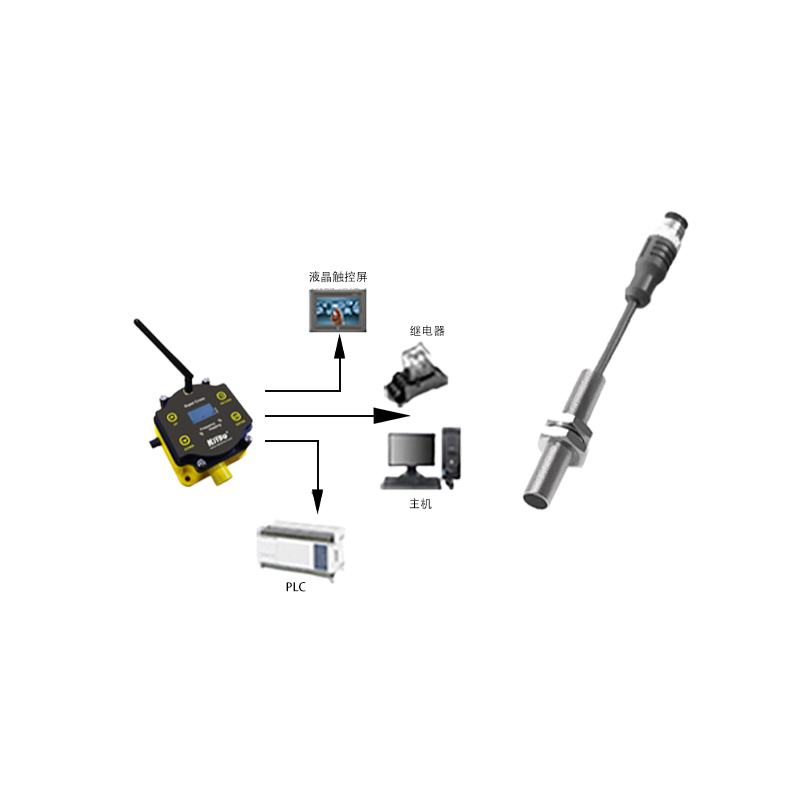
Specific features have a quantifiable impact on the sensor's price. Background suppression (BGS) or foreground suppression (FGS) technology, which allows detection independent of object color or reflectivity, adds 20-40% to the base cost compared to a standard diffuse sensor. Sensors with adjustable sensing ranges via potentiometers or teach-in functions are more expensive than fixed-range models. The choice of housing material also matters; stainless steel housings for food and beverage or chemical industries are costlier than standard plastic or nickel-plated brass. Furthermore, connectors influence price; sensors with quick-disconnect, molded cables are generally more expensive than those with fixed cables or bare leads. For demanding applications, features like synchronization to prevent mutual interference in dense installations or high-frequency response for very fast-moving objects are premium additions that justify a higher price point.
Strategies for Cost-Effective Procurement
Achieving the best value requires a strategic approach beyond just finding the lowest listed price. First, conduct a thorough application analysis to define the minimum necessary specifications, avoiding over-engineering. Consider the total cost of ownership, which includes not only the purchase price but also installation time, maintenance needs, and potential downtime from sensor failure. Standardizing sensor models across a facility can lead to volume discounts from suppliers and simplify maintenance and spare parts inventory. Building relationships with authorized distributors or direct manufacturers can provide access to technical support, better pricing tiers, and reliable supply chains. For non-critical applications, evaluating reputable second-tier brands can offer significant savings without substantial performance compromise. Always request samples for real-world testing before committing to a large purchase to ensure the sensor performs as expected in the actual operating environment.
Future Trends and Price Trajectory
The pricing landscape for photoelectric sensors is dynamic, influenced by