Understanding Photoelectric Sensor Fundamentals
Photoelectric sensors are indispensable tools in modern industrial automation, offering non-contact detection of objects through the use of a light transmitter and receiver. The core principle involves the transmitter emitting a beam of light—visible red, infrared, or laser—which is then intercepted or reflected by a target object. The receiver detects changes in this light pattern, such as intensity or beam presence, and converts this signal into an electrical output. This output is used to trigger actions in a control system, such as counting, positioning, or verifying object presence on a conveyor line. Key performance metrics include sensing range, response time, and environmental immunity. Unlike mechanical limit switches, photoelectric sensors provide wear-free operation and can detect a vast array of materials, including glass, metal, plastic, and liquids, making them incredibly versatile across different sectors.
Comparing Through-Beam, Retroreflective, and Diffuse Models
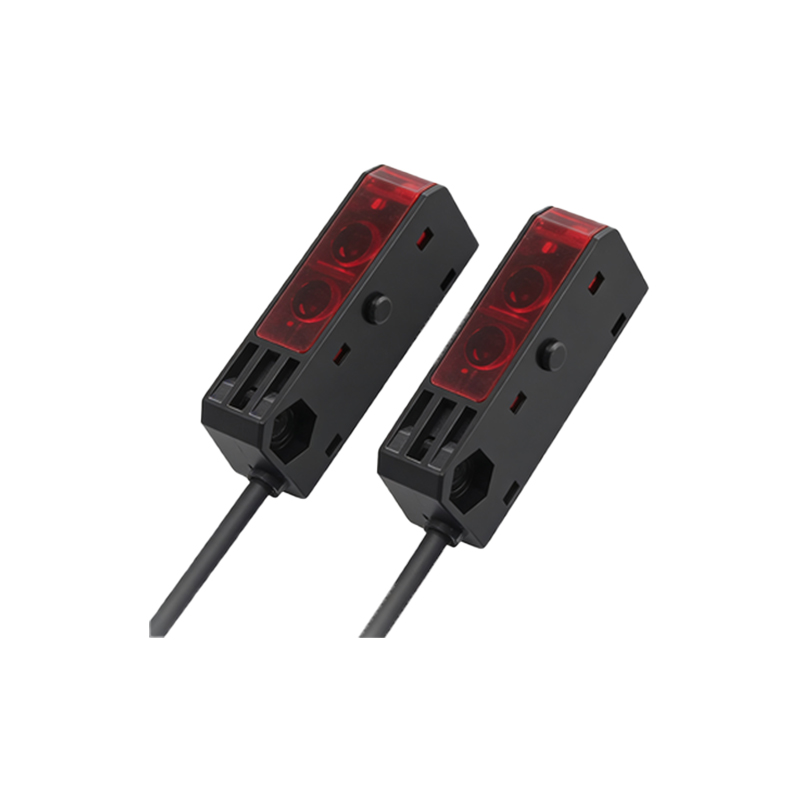
Selecting the optimal sensor type is critical for application success. Through-beam sensors, consisting of separate transmitter and receiver units, offer the longest sensing ranges and highest reliability. They are ideal for harsh environments with dust or steam, as the beam must be physically broken, providing a strong, unambiguous signal. Retroreflective sensors house both emitter and receiver in a single housing, using a reflector to bounce the light back. They provide a good balance of range and ease of installation but can be fooled by shiny objects that reflect light directly. Diffuse or proximity sensors also use a single housing but rely on light reflecting directly off the target object. They are the easiest to install and are perfect for short-range detection, but their performance is highly dependent on the target's color, texture, and reflectivity, requiring careful consideration during selection.
Key Selection Criteria: Range, Light Source, and Output
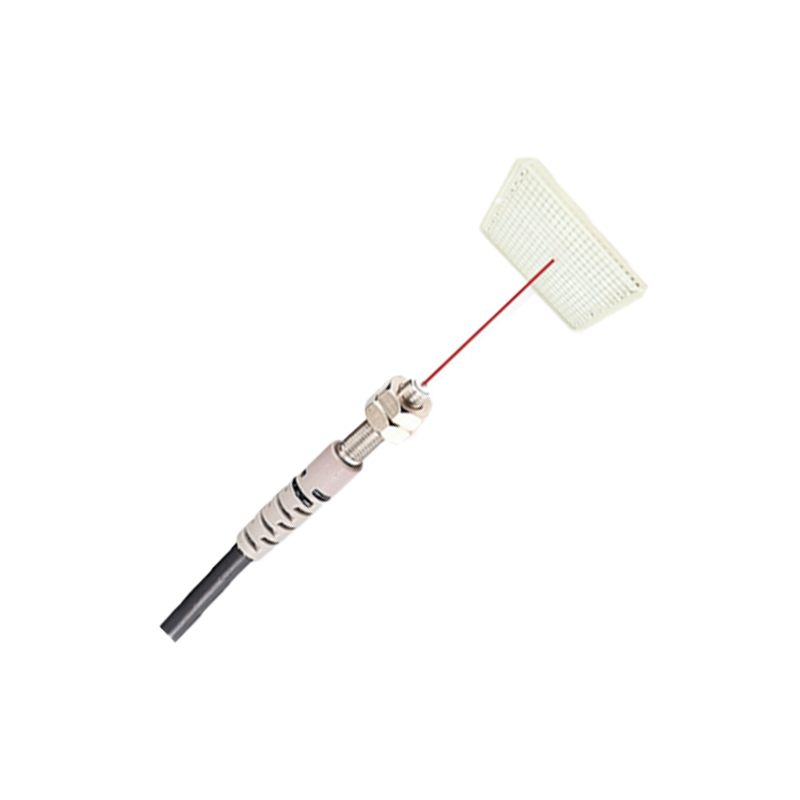
Several technical parameters dictate sensor suitability. First, the required sensing distance must be carefully evaluated against the sensor's specified range, with a safety margin included. Second, the light source choice is paramount. Standard modulated LED light is cost-effective for general purposes. Laser sensors provide a precise, concentrated beam for detecting small objects or long ranges. Background suppression sensors use triangulation to ignore objects beyond a set distance, perfect for consistent detection regardless of color. Finally, the output type must match the control system. Digital outputs (PNP/NPN) are standard for on/off signals. Analog outputs provide a continuous signal proportional to distance or intensity, useful for positioning or transparency checking. Environmental sealing (IP rating) and housing material are also vital for durability.
Overcoming Common Application Challenges
Real-world installations often present hurdles that sensor choice must overcome. A primary challenge is environmental interference like ambient light, dust, fog, or vibration. Selecting sensors with robust housing, high IP ratings, and modulated light signals that ignore constant ambient light is essential. Detecting transparent objects, such as glass or clear films, requires sensors specifically designed for this task, often using polarized light or high-resolution models. For highly reflective or dark absorbent targets, background suppression or convergent beam sensors can provide reliable detection by focusing on a specific spot. Additionally, ensuring stable mounting and precise alignment, especially for through-beam and retroreflective types, is crucial for consistent operation. Regular maintenance, like lens cleaning, should be part of the operational protocol.
Future Trends and Integration with Industry 4.0
The evolution of photoelectric sensors is tightly linked to smart manufacturing trends. Modern sensors are becoming increasingly intelligent, featuring integrated IO-Link communication. This allows for remote configuration, real-time diagnostics, and parameter changes without physical access, drastically reducing downtime. Sensors can now report operating hours, temperature warnings, and lens contamination levels, enabling predictive maintenance. Furthermore, advancements in miniaturization and energy efficiency are enabling their use in more compact and portable equipment. As Industry 4.0 and the Industrial Internet of Things (IIoT) expand, photoelectric sensors will act as critical data points, feeding information directly into networked control systems for enhanced process optimization, traceability, and overall equipment effectiveness (OEE).