Introduction to Proximity Sensors
Proximity sensors are essential components in modern industrial automation, designed to detect the presence or absence of objects without physical contact. These devices operate based on various principles, including electromagnetic fields, capacitance, and photoelectric effects. By providing reliable, non-contact detection, they enhance efficiency, safety, and precision in manufacturing processes. Common types include inductive, capacitive, and ultrasonic sensors, each suited to specific materials and environments. Their versatility makes them indispensable in sectors like automotive, packaging, and robotics, where accurate object detection is critical for seamless operations.
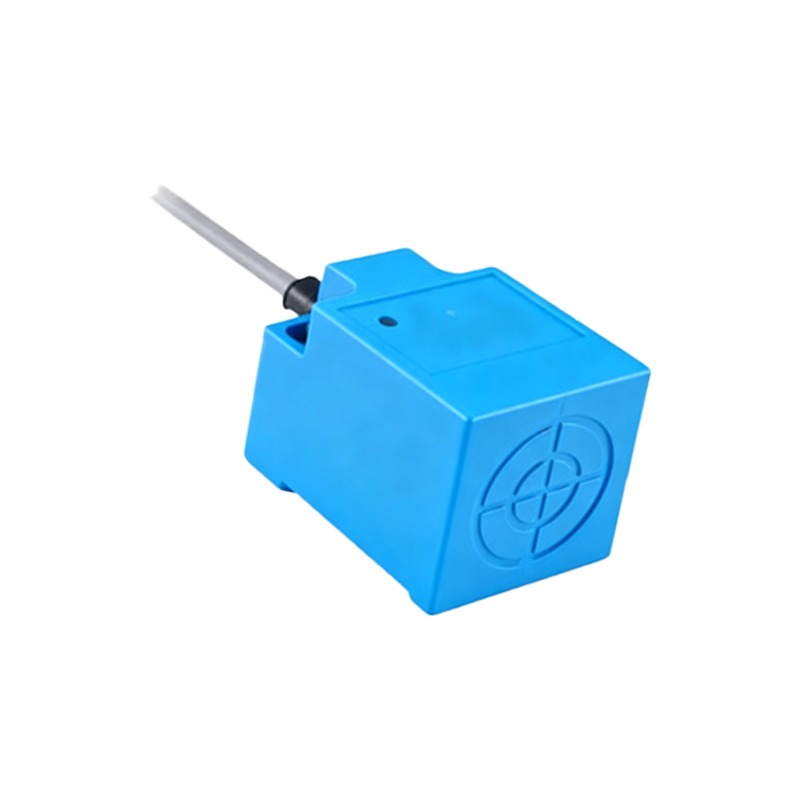
Inductive Proximity Sensors in Metal Detection
Inductive proximity sensors are widely used for detecting metallic objects, leveraging electromagnetic fields to sense ferrous and non-ferrous materials. A typical application is in conveyor systems within automotive assembly lines, where these sensors monitor the position of metal parts, such as engine components or chassis elements. For instance, in a stamping press, an inductive sensor ensures that a metal sheet is correctly aligned before the press descends, preventing misalignment and reducing material waste. These sensors are valued for their durability in harsh conditions, resistance to dust and moisture, and high switching speeds, which contribute to improved production throughput.
Capacitive Proximity Sensors for Non-Metallic Materials
Capacitive proximity sensors excel in detecting non-metallic materials like plastics, liquids, and wood by measuring changes in capacitance. In the food and beverage industry, they are employed to monitor fill levels in containers, such as bottles or tanks, without direct contact, ensuring hygiene and preventing overflows. For example, in a bottling plant, a capacitive sensor can detect the presence of liquid inside a plastic bottle, triggering the capping mechanism only when the bottle is adequately filled. This application minimizes spillage and enhances quality control, demonstrating how capacitive sensors support precise material handling in diverse environments.
Ultrasonic Sensors in Distance Measurement
Ultrasonic proximity sensors use sound waves to measure distance and detect objects, making them ideal for applications requiring range sensing or level monitoring. In warehouse automation, these sensors are utilized to manage inventory by detecting the height of stacked pallets or the presence of goods on shelves. A practical example is in automated guided vehicles (AGVs), where ultrasonic sensors help navigate obstacles and maintain safe distances from other equipment, reducing collision risks. Their ability to operate in dusty or foggy conditions, where optical sensors might fail, underscores their reliability in complex industrial settings.
Photoelectric Sensors for High-Speed Detection
Photoelectric proximity sensors rely on light beams to detect objects, offering high-speed and long-range capabilities. They are commonly found in packaging lines, where they verify the presence of labels, caps, or products on moving conveyors. For instance, in a pharmaceutical facility, a photoelectric sensor ensures that each blister pack contains the correct number of tablets before sealing, enhancing product integrity. These sensors are adaptable to various configurations, such as through-beam or reflective models, allowing customization for specific operational needs while maintaining accuracy in fast-paced environments.
Integration with Industrial Control Systems
Proximity sensors are integral to programmable logic controllers (PLCs) and industrial networks, enabling real-time data exchange and automated decision-making. In a robotic welding cell, for example, inductive sensors provide feedback on part positioning to the PLC, which adjusts the robot’s path for precise welds. This integration supports Industry 4.0 initiatives by facilitating predictive maintenance, where sensor data alerts operators to potential failures before downtime occurs. By connecting via protocols like IO-Link or Ethernet/IP, these sensors enhance system flexibility and scalability, driving smarter manufacturing processes.
Maintenance and Troubleshooting Tips
To ensure optimal performance, regular maintenance of proximity sensors is crucial. This includes cleaning sensing surfaces to prevent false triggers, checking wiring for corrosion, and verifying alignment in mounting setups. Common issues, such as intermittent detection or reduced range, often stem from environmental factors like temperature fluctuations or electromagnetic interference. Using shielded cables and proper grounding can mitigate these problems. Additionally, consulting manufacturer guidelines for specific sensor types helps extend lifespan and maintain reliability, reducing operational disruptions in industrial plants.
Future Trends in Proximity Sensing Technology
Advancements in proximity sensing are shaping the future of industrial automation, with trends like miniaturization, enhanced connectivity, and smart sensor capabilities gaining traction. Emerging technologies, such as IoT-enabled sensors, allow for remote monitoring and data analytics, enabling proactive adjustments in production lines. For example, sensors with embedded diagnostics can predict wear and schedule maintenance autonomously. As industries adopt more collaborative robots and flexible manufacturing systems, proximity sensors will evolve to offer