Introduction to Photoelectric Sensors
Photoelectric sensors are essential components in modern automation and control systems, utilizing light beams to detect the presence, absence, or distance of objects. These sensors are widely applied across industries such as manufacturing, packaging, automotive, and logistics due to their non-contact operation, high precision, and reliability. The appearance of photoelectric sensors varies significantly based on their type, housing material, and mounting style, which often correlates with their specific functions and environmental adaptability. This collection aims to showcase the diverse visual designs of photoelectric sensors, providing a comprehensive visual guide for engineers, technicians, and procurement specialists. By exploring these images, readers can better understand the physical characteristics that influence sensor selection for different applications, from compact cylindrical models to robust rectangular units with advanced features.
Through-Beam Photoelectric Sensors
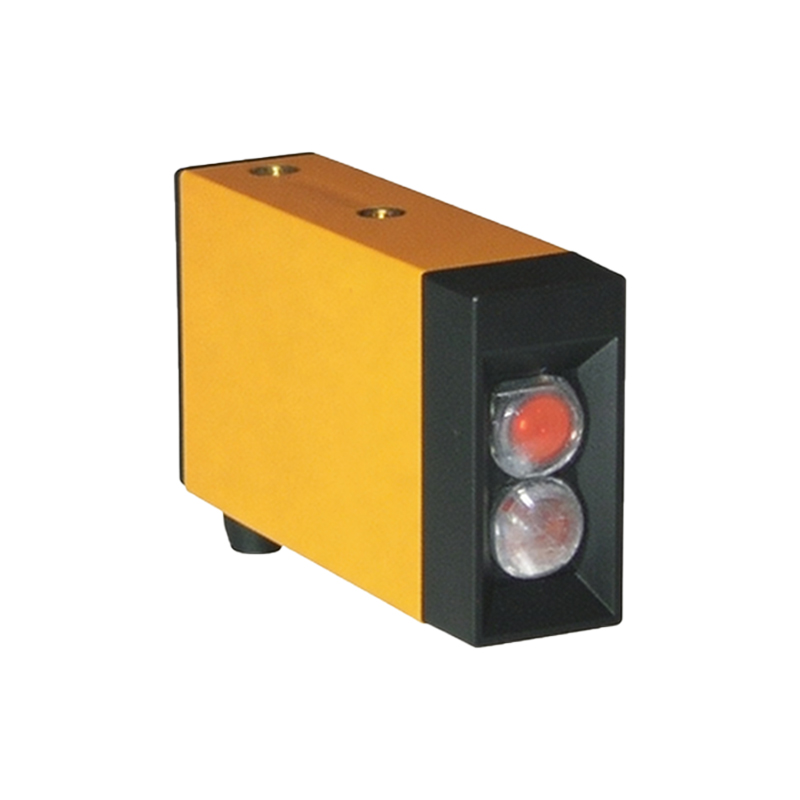
Through-beam photoelectric sensors consist of separate emitter and receiver units aligned opposite each other. The emitter projects a continuous light beam, which is intercepted by the receiver. When an object breaks this beam, the sensor triggers a signal. These sensors typically feature a sturdy, often metallic or industrial-grade plastic housing to protect internal components from dust, moisture, and mechanical impacts. Common appearances include cylindrical barrels with threaded bodies for easy mounting in brackets or panels, and rectangular enclosures with mounting holes. The emitter and receiver units are usually identical in shape, designed for symmetrical installation. Colors range from black, gray, to bright yellow or orange for high visibility in industrial settings. Lens apertures are clearly visible, often covered with protective glass or polycarbonate. Images show variations in size, from small-diameter sensors for tight spaces to larger models with extended sensing ranges.
Retroreflective Photoelectric Sensors
Retroreflective photoelectric sensors combine the emitter and receiver in a single housing, using a reflector to bounce the light beam back. This design simplifies installation by requiring only one wiring point. The appearance often includes a compact, rectangular or square-shaped body with a front-facing lens area that emits and receives light. Housings are commonly made from ABS plastic or die-cast metal, with IP67 or higher ratings for resistance to water and dust. Visual highlights include integrated mounting brackets, adjustable sensitivity potentiometers, and status indicator LEDs (usually red or green) that display operational states. Some models feature polarized filters to reduce false triggers from shiny surfaces, visible as a darker lens coating. Images depict sensors with cable outlets or connector types like M8 or M12, emphasizing their plug-and-play compatibility in control systems.
Diffuse Reflective Photoelectric Sensors
Diffuse reflective photoelectric sensors detect objects by measuring light reflected directly from the target's surface. They are housed in a single unit, similar to retroreflective types, but with a more versatile detection capability. The appearance often showcases a streamlined, ergonomic design with a focused lens assembly. These sensors may include background suppression technology, which is indicated by additional optical elements or labeling on the housing. Colors tend to be neutral like gray or black, but some variants use bright hues for easy identification. Key visual features are the sensing window, which might be recessed to prevent damage, and tactile buttons for teach-in programming. Images highlight compact models for space-constrained applications, as well as larger versions with extended ranges, often featuring ruggedized coatings for harsh environments like washdown areas.
Fiber Optic Photoelectric Sensors
Fiber optic photoelectric sensors use flexible fiber optic cables to transmit light, allowing the sensing head to be placed in tight or hazardous locations. The appearance is distinct, with a separate amplifier unit and slender fiber optic strands. The amplifier, typically a small rectangular box, houses the electronics and displays indicators for power and output status. It often includes dials or digital displays for sensitivity adjustment. The fiber optic cables come in various shapes—such as straight, bifurcated, or coaxial—with tips made of stainless steel or plastic. Images show different cable lengths and tip configurations, like threaded barrels or bare fibers, suited for precise detection tasks. The compact and modular design makes these sensors visually unique, emphasizing their adaptability in complex machinery.
Specialized and Custom Designs
Beyond standard types, photoelectric sensors include specialized designs for niche applications. Examples include color sensors that differentiate hues, contrast sensors for label detection, and luminescence sensors for UV light detection. Their appearance often features additional components like multiple lenses, integrated lighting, or touchscreen interfaces. Custom housings might be cylindrical with flange mounts, rectangular with heat sinks, or even miniature "pico" sizes for electronics assembly. Images showcase sensors with unique attributes: hygienic models with smooth surfaces for food processing, high-temperature variants with cooling fins, and explosion-proof units with robust, sealed enclosures. These visual variations underscore the innovation in sensor technology, catering to specific industry needs while maintaining core photoelectric principles.
Selection Tips Based on Appearance
When selecting a photoelectric sensor, appearance can offer practical insights. Consider the housing material: metal housings provide durability in high-impact environments, while plastic ones offer corrosion resistance. Size and shape affect mounting options; compact sensors fit into limited spaces, whereas larger models may offer enhanced features. Lens type and placement influence the sensing angle and range—visible in images as clear or diffused apertures. Connector styles, such as pre-wired cables or quick-disconnect plugs, impact installation ease. Additionally, indicator lights and adjustment controls, visible on the housing, facilitate setup and maintenance. By reviewing pictures, users can match physical traits to application requirements, ensuring optimal performance in terms of detection accuracy, environmental resilience, and integration simplicity.
Conclusion and Visual Gallery
This collection of photoelectric sensor appearance pictures serves as a valuable resource for professionals in the electrical and automation fields. From through-beam to fiber optic types, each design reflects functional priorities and adaptation to operational conditions. The visual diversity highlights advancements in miniaturization, material science, and user interface design. Engineers can use these images to compare products, plan installations, or identify sensors in existing systems. As technology evolves, future sensors may feature even more compact forms, enhanced connectivity, and smarter indicators. By staying informed through visual guides, industry practitioners can make informed decisions, leveraging the right sensor appearance to achieve efficiency and reliability in their automation projects.