Introduction to Ice Bear Photoelectric Sensors
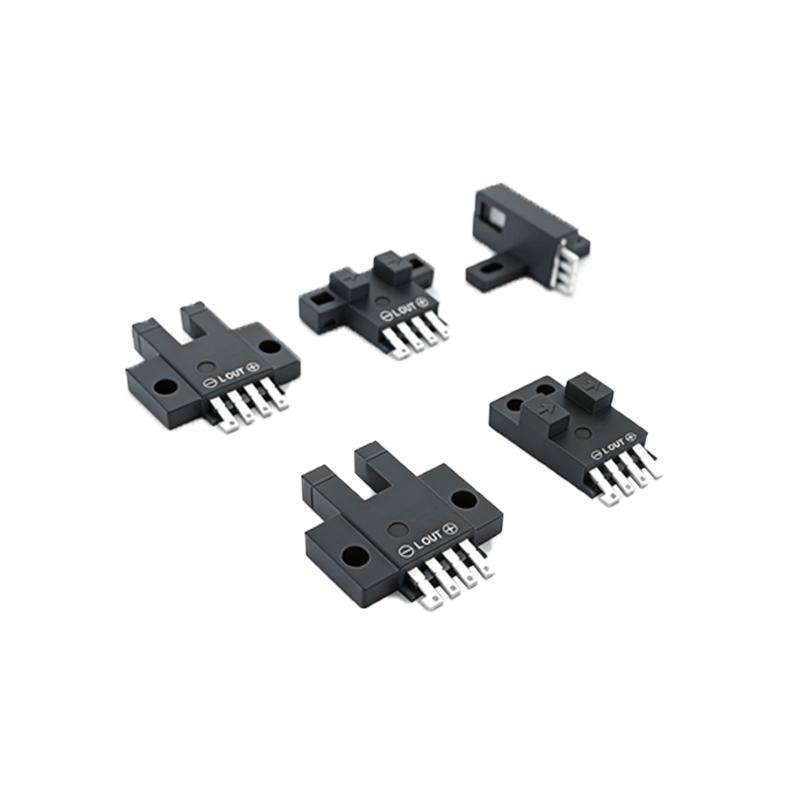
Ice Bear photoelectric sensors represent a pinnacle of precision and reliability in industrial sensing technology. These devices utilize light beams to detect the presence, absence, or distance of objects, playing a critical role in automation systems across various sectors. Engineered with robust materials and advanced optical components, Ice Bear sensors ensure consistent performance even in challenging environments characterized by dust, moisture, or extreme temperatures. Their design philosophy centers on delivering high accuracy and durability, making them indispensable for applications ranging from manufacturing assembly lines to packaging and material handling. By converting light signals into electrical outputs, these sensors provide real-time data that drives automated decision-making, thereby optimizing operational workflows and minimizing human intervention.
Core Technologies and Operational Principles
At the heart of Ice Bear photoelectric sensors lies innovative technology that ensures superior detection capabilities. These sensors operate primarily through three modes: through-beam, retro-reflective, and diffuse reflective. In through-beam mode, a transmitter and receiver are positioned opposite each other; an object is detected when it interrupts the light beam. Retro-reflective mode uses a reflector to bounce light back to the receiver, with detection occurring upon beam obstruction. Diffuse reflective mode relies on the target object itself to reflect light to the receiver, ideal for close-range applications. Ice Bear incorporates high-intensity LEDs or laser diodes as light sources, coupled with sensitive phototransistors or photodiodes, enabling precise detection of minute objects or subtle changes. Advanced models feature background suppression and polarization filters to reduce false triggers from shiny surfaces or ambient light interference, ensuring reliable operation in complex industrial settings.
Key Features and Performance Advantages
Ice Bear photoelectric sensors are distinguished by a suite of features that enhance their utility and efficiency. They offer fast response times, often in the microsecond range, allowing for high-speed production line integration. With sensing distances extending up to several meters, depending on the model, they provide flexibility in installation and application. Many units are equipped with adjustable sensitivity settings, enabling fine-tuning for specific tasks such as detecting transparent materials or small components. The sensors boast IP67 or higher ingress protection ratings, making them resistant to water, oil, and particulate matter. Additionally, Ice Bear emphasizes energy efficiency, with low-power consumption designs that reduce operational costs. Their compact and modular housings facilitate easy mounting and maintenance, while built-in diagnostics, such as LED indicators for alignment and status, simplify setup and troubleshooting processes.
Applications in Modern Industrial Automation
The versatility of Ice Bear photoelectric sensors makes them suitable for a wide array of industrial applications. In automotive manufacturing, they are used for part positioning, robot guidance, and quality control inspections. Within the food and beverage industry, these sensors ensure proper filling levels, label detection, and packaging integrity without direct contact, maintaining hygiene standards. Logistics and warehousing benefit from their ability to count items on conveyor belts, monitor inventory levels, and detect jams. In pharmaceutical production, they enable precise tablet counting and bottle cap verification. Moreover, Ice Bear sensors are integral to safety systems, such as light curtains that protect workers from machinery hazards. Their adaptability to diverse environments—from clean rooms to outdoor installations—underscores their role in driving Industry 4.0 initiatives, where smart sensors contribute to interconnected, data-driven manufacturing ecosystems.
Installation, Calibration, and Maintenance Guidelines
Proper installation and calibration are crucial for maximizing the performance of Ice Bear photoelectric sensors. During setup, it is essential to align the transmitter and receiver accurately, avoiding obstructions that could scatter or block the light beam. Environmental factors like ambient light, reflective surfaces, and vibrations should be assessed to prevent interference. Calibration involves adjusting sensitivity thresholds using potentiometers or digital interfaces to match specific object properties, such as color or transparency. Regular maintenance includes cleaning lenses with soft, lint-free cloths to prevent dust accumulation that could impair sensitivity. Periodic checks of electrical connections and housing integrity help avoid failures. Ice Bear provides comprehensive technical documentation and support tools, including alignment aids and software for parameter configuration, ensuring users can achieve optimal sensor performance with minimal downtime.
Future Trends and Innovations in Sensing Technology
Looking ahead, Ice Bear is at the forefront of evolving photoelectric sensor technologies aimed at meeting future industrial demands. Emerging trends include the integration of IoT capabilities, allowing sensors to transmit data wirelessly to central systems for predictive maintenance and analytics. Enhanced miniaturization will enable deployment in tighter spaces without sacrificing range or accuracy. Developments in smart sensors with embedded AI algorithms promise adaptive learning, where devices can self-adjust to changing conditions or identify anomalies autonomously. Additionally, advancements in materials science may lead to more resilient sensors capable of withstanding harsher chemical or thermal exposures. Ice Bear's commitment to R&D focuses on sustainability, with efforts to reduce energy consumption and incorporate recyclable components, aligning with global green manufacturing goals. These innovations will further solidify photoelectric sensors as cornerstone elements in automated, efficient, and intelligent industrial operations.