Introduction to Sensor Housings
The housing of an inductive proximity sensor is far more than a simple protective shell. It serves as the critical first line of defense against the harsh realities of industrial environments, directly influencing the sensor's performance, longevity, and reliability. While the internal coil, oscillator, and evaluation electronics form the "brain" of the device, the housing is its "armor" and "interface." A well-engineered housing ensures precise sensing by maintaining the correct geometric relationship between the sensing face and the target, while also providing robust environmental sealing, mechanical strength, and often, specific mounting capabilities. The choice of housing design and material is a fundamental engineering decision that aligns the sensor with its intended application, whether in a clean, automated packaging line or a grimy, high-vibration steel mill.
Primary Functions and Critical Requirements
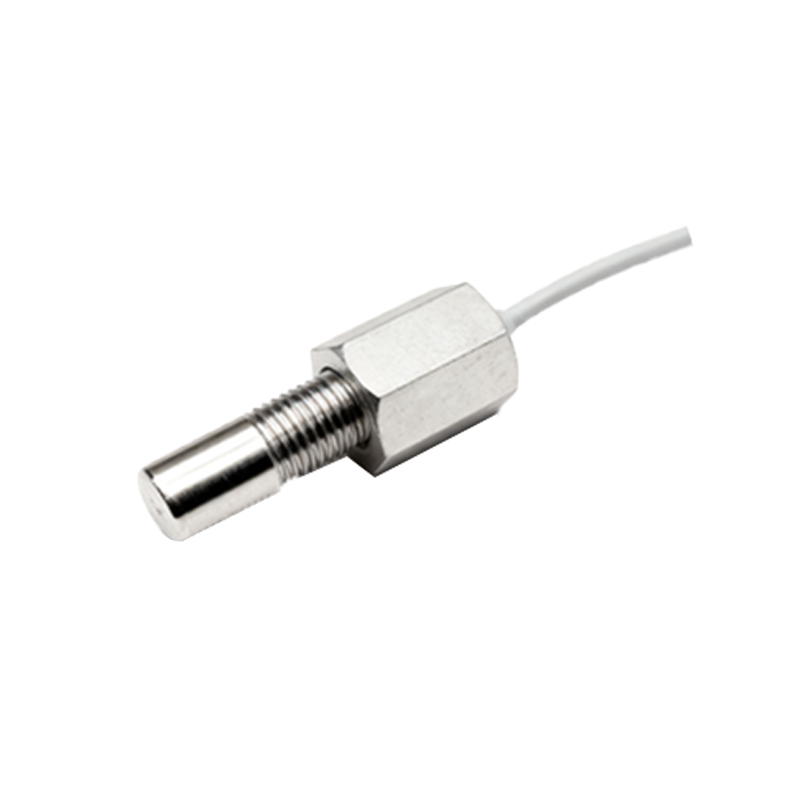
The core functions of an inductive proximity switch housing are multi-faceted. First and foremost, it provides environmental protection. This includes sealing against ingress of dust and liquids, typically rated by IP (Ingress Protection) codes such as IP67 or IP69K. The housing must shield the sensitive internal electronics from coolant, oil, metal chips, and other process contaminants. Secondly, it offers mechanical protection against impact, vibration, and crushing forces, often specified by IK ratings for impact resistance. Electromagnetic shielding is another vital role; the housing, particularly if metallic, helps contain the sensor's electromagnetic field and protects it from external interference, ensuring stable switching characteristics. Finally, the housing facilitates installation through integrated threads, mounting holes, or brackets, and provides clear labeling for electrical connections and technical data.
Common Housing Materials and Their Properties
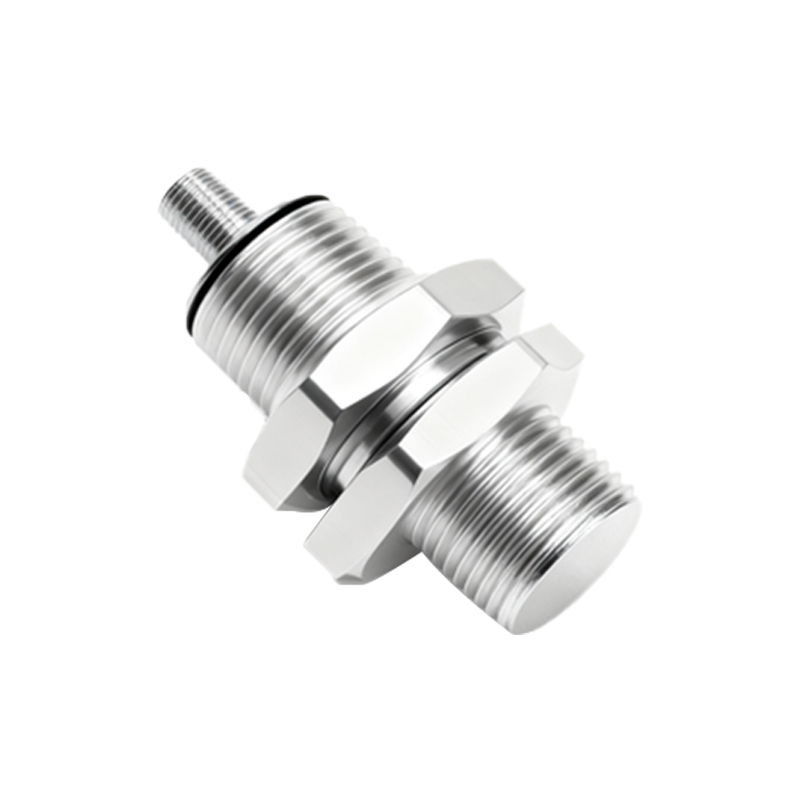
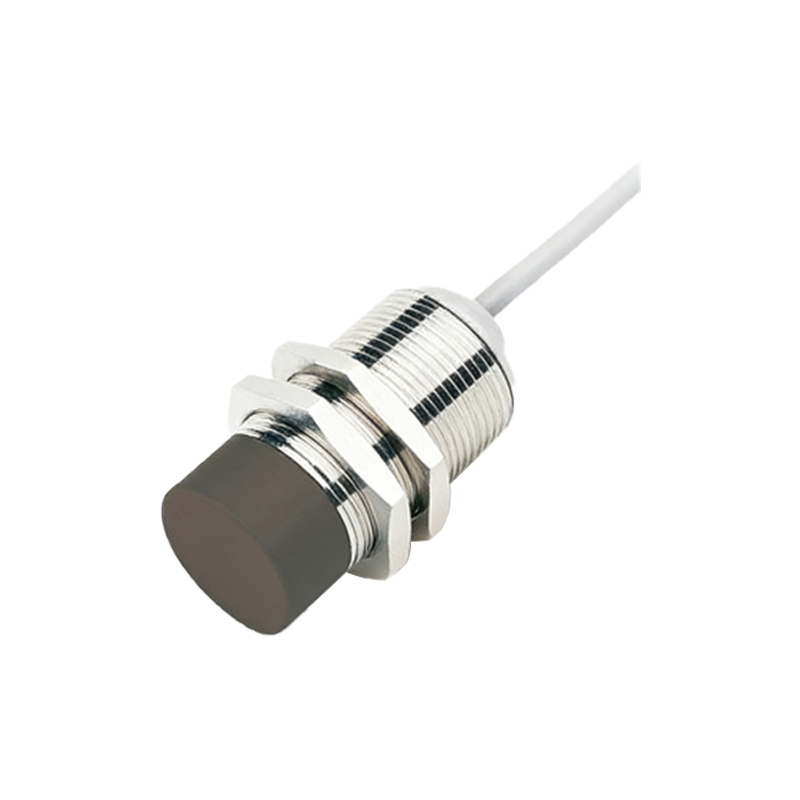
Material selection is paramount and is primarily a trade-off between sensing performance, durability, and cost. Stainless steel, particularly grades like 303, 304, or 316, is the premium choice for demanding applications. It offers excellent corrosion resistance, high mechanical strength, superior temperature tolerance, and provides natural electromagnetic shielding. Its main drawback is cost. Nickel-plated brass is another high-performance option, offering good corrosion resistance and shielding, often used in smaller sensor sizes. For many standard applications, engineering thermoplastics like PBT (Polybutylene Terephthalate) or PPS (Polyphenylene Sulfide) are prevalent. These plastic housings are cost-effective, resistant to a wide range of chemicals, and are electrically non-conductive, which can be an advantage in certain mounting configurations. However, they may have lower temperature ratings and require internal metal sleeves or inserts for shielding and threaded mounting.
Standardized Housing Designs and Form Factors
The industry has evolved several standardized cylindrical housing forms to ensure interchangeability and ease of integration. The most common are the threaded barrel types, defined by their diameter and thread standard. Examples include M8, M12, M18, and M30 sensors, with M12 and M18 being extremely widespread in factory automation. These cylindrical housings may be "shielded" or "unshielded." A shielded housing (flush-mountable) has a metallic sensing face that restricts the magnetic field, allowing the sensor to be mounted flush in metal without triggering false signals. An unshielded housing (non-flush-mountable) has a larger sensing range but requires a non-metallic surround for installation. Other form factors include rectangular or block-style housings, often used for larger sensing distances or specialized applications, and limit switch-style housings designed as direct replacements for mechanical switches.
Specialized Housings for Extreme Conditions
Beyond standard designs, specialized housings address extreme operational challenges. For washdown environments in food & beverage or pharmaceutical industries, housings with a high-polish stainless steel finish (often 316L) and sealed to IP69K are essential to withstand high-pressure, high-temperature cleaning. Sensors for welding applications feature housings with special coatings or designs to resist adhesion of spatter. In high-temperature settings, such as near furnaces or ovens, housings utilize high-temp plastics or specific stainless-steel alloys. For applications with severe chemical exposure, housings made from PVDF (Polyvinylidene Fluoride) or other highly inert plastics are selected. These specialized versions underscore the housing's role as a tailored solution for operational survivability.
Integration and Mounting Considerations
The housing design dictates the installation methodology. Proper mounting is crucial for reliable operation. For threaded barrels, correct torque specifications must be followed to avoid damaging the housing or compromising the seal. The use of appropriate locknuts or mounting brackets is standard. The housing must also provide adequate clearance around the sensing face (especially for unshielded types) as specified in the datasheet. Cable