Introduction to Proximity Sensors
Proximity sensors are pivotal components in modern industrial automation, designed to detect the presence or absence of an object without physical contact. In Putuo District, a significant industrial and technological hub, the adoption of these sensors has become integral to optimizing manufacturing processes, ensuring safety, and improving operational efficiency. These devices operate on various principles, including inductive, capacitive, ultrasonic, and photoelectric technologies, each suited to specific applications based on material, distance, and environmental conditions. Their non-contact nature minimizes wear and tear, reduces maintenance costs, and enhances the longevity of machinery, making them a preferred choice in sectors ranging from automotive to electronics manufacturing prevalent in Putuo.
Key Technologies and Operating Principles
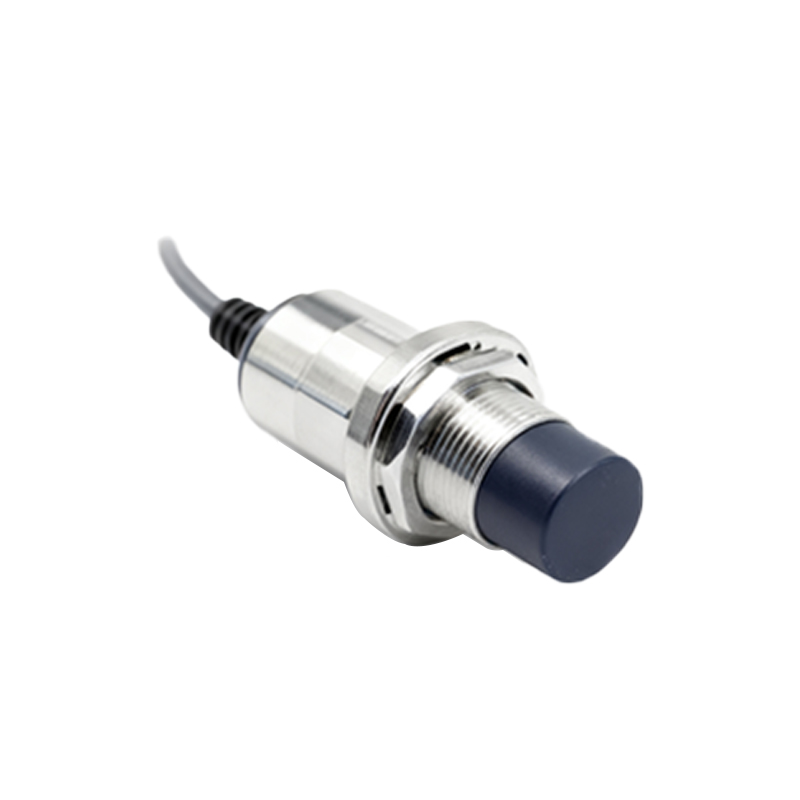
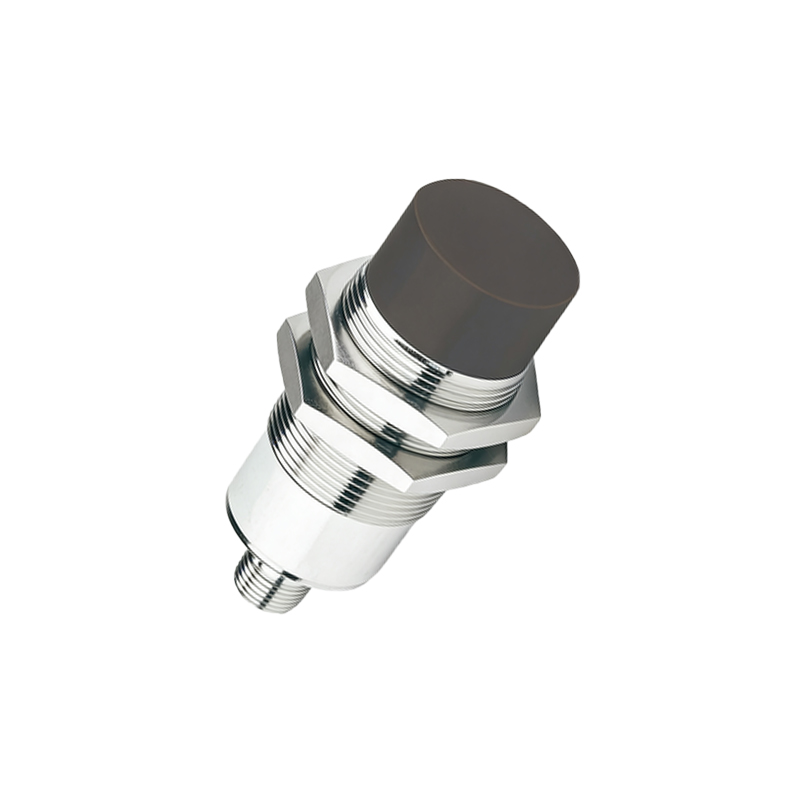
Inductive proximity sensors are widely used in Putuo's metalworking and machinery industries. They generate an electromagnetic field and detect changes caused by metallic objects, offering high precision and reliability in harsh environments. Capacitive sensors, on the other hand, can detect both metallic and non-metallic materials, such as plastics or liquids, making them versatile for packaging and food processing applications in the district. Ultrasonic sensors utilize sound waves to measure distance and are effective in complex settings where dust or moisture is present, common in Putuo's logistics and warehousing facilities. Photoelectric sensors employ light beams to detect objects and are favored for high-speed applications in electronics assembly lines. Understanding these technologies allows engineers in Putuo to select the optimal sensor for their specific needs.
Applications in Putuo District's Industrial Landscape
In Putuo District, proximity sensors are deployed across diverse industries to streamline operations. In automotive manufacturing plants, they ensure precise positioning of components on assembly lines, reducing errors and increasing throughput. The electronics sector relies on these sensors for quality control, detecting minute components on circuit boards with high accuracy. Additionally, in the district's burgeoning robotics and automation sector, proximity sensors enable safe human-machine collaboration by halting machinery when a person approaches too closely. Warehouses and distribution centers in Putuo use sensors for inventory management, automating the tracking of goods and optimizing storage space. These applications underscore the sensor's role in driving innovation and competitiveness within the local economy.
Benefits for Local Businesses and Infrastructure
The integration of proximity sensors in Putuo District offers substantial benefits for businesses and infrastructure. Enhanced productivity is a primary advantage, as sensors enable faster, more reliable detection, reducing downtime and increasing output. Safety improvements are also significant, with sensors preventing accidents by monitoring hazardous zones in factories and public spaces. Energy efficiency is another key benefit; for instance, sensors can control lighting and HVAC systems in commercial buildings, reducing energy consumption in line with Putuo's sustainability goals. Moreover, the data collected from these sensors can be analyzed for predictive maintenance, allowing companies to address equipment issues before they lead to failures, thereby lowering operational costs and extending asset life.
Selection Criteria and Installation Best Practices
Choosing the right proximity sensor in Putuo requires careful consideration of several factors. The material of the target object is crucial; inductive sensors are ideal for metals, while capacitive or photoelectric types suit non-metals. Detection range and environmental conditions, such as temperature, humidity, and exposure to chemicals, must also be evaluated to ensure durability. Installation best practices include proper mounting to avoid interference from other machinery, regular calibration for accuracy, and adherence to manufacturer guidelines for wiring and power supply. In Putuo's industrial settings, consulting with experienced suppliers and technicians can help in selecting sensors that meet specific operational demands, ensuring optimal performance and compliance with local safety standards.
Future Trends and Innovations
The future of proximity sensors in Putuo District is shaped by ongoing technological advancements. The rise of the Industrial Internet of Things (IIoT) is leading to smarter sensors with embedded connectivity, enabling real-time data transmission and remote monitoring. Miniaturization is another trend, allowing sensors to be integrated into smaller devices for applications in medical equipment or consumer electronics produced in Putuo. Enhanced sensing capabilities, such as improved resolution and multi-object detection, are also emerging, supporting more complex automation tasks. As Putuo continues to develop as a tech-forward district, investments in research and development will likely foster innovations that make proximity sensors even more efficient, affordable, and adaptable to evolving industrial needs.
Conclusion and Recommendations
Proximity sensors are indispensable tools in Putuo District's industrial ecosystem, contributing to automation, safety, and efficiency. For businesses looking to implement or upgrade these systems, it is recommended to conduct a thorough needs assessment, considering factors like application type, environment, and budget. Partnering with reputable suppliers in Putuo who offer technical support and quality products can ensure successful integration. Regular training for maintenance staff on sensor operation and troubleshooting is also advised to maximize