Understanding the Core Requirements
The foundation of an effective photoelectric sensor testing laboratory lies in a meticulous understanding of the core requirements. This begins with defining the scope of testing, which typically includes evaluating key sensor parameters such as sensing range, response time, repeatability, resolution, and environmental robustness. The laboratory must be equipped to simulate real-world industrial conditions, including variable ambient light, temperature fluctuations, humidity, and the presence of dust or contaminants. A clear definition of the types of sensors to be tested—diffuse, retro-reflective, through-beam, or background suppression—is crucial as each type demands specific test setups and measurement protocols. Establishing these requirements upfront guides all subsequent design decisions, from spatial layout to equipment selection, ensuring the facility is purpose-built for generating reliable, repeatable data.
Laboratory Layout and Environmental Control
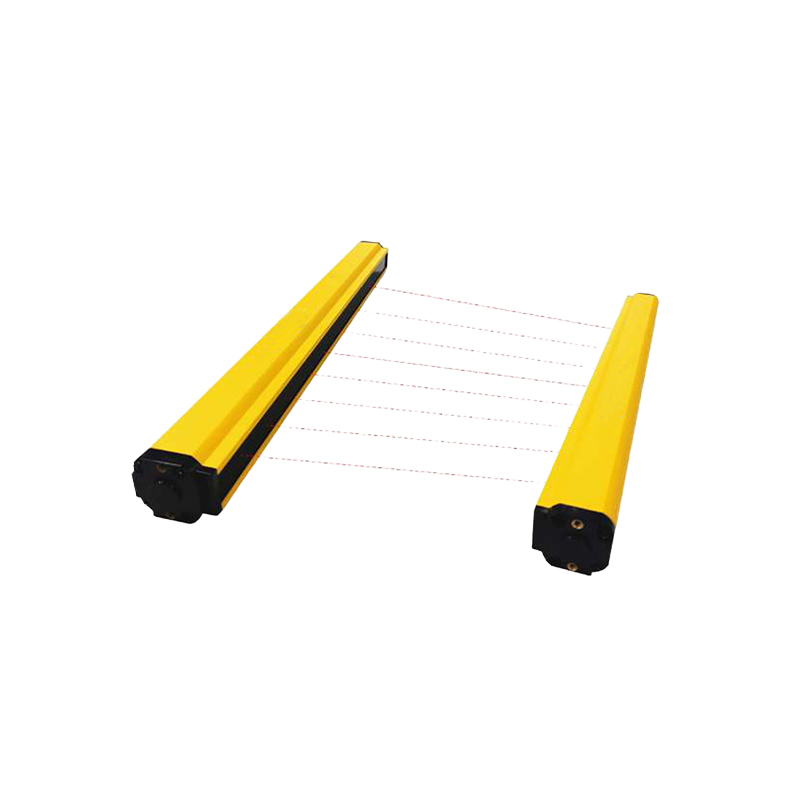
The physical layout of the testing laboratory is paramount for operational efficiency and data integrity. A modular design is highly recommended, allowing for flexible reconfiguration of test stations to accommodate different sensor types and test procedures. Dedicated zones should be established for calibration, darkroom testing (for ambient light immunity tests), environmental chamber integration, and data analysis. Environmental control is non-negotiable. The lab must maintain stable temperature and humidity levels, typically within a controlled range like 20°C ±2°C and 50% RH ±10%, to prevent these variables from influencing sensor performance. Furthermore, implementing electromagnetic interference (EMI) shielding and using clean, stable power supplies with proper grounding are essential to eliminate electrical noise that could skew sensitive measurements.
Essential Test Equipment and Instrumentation
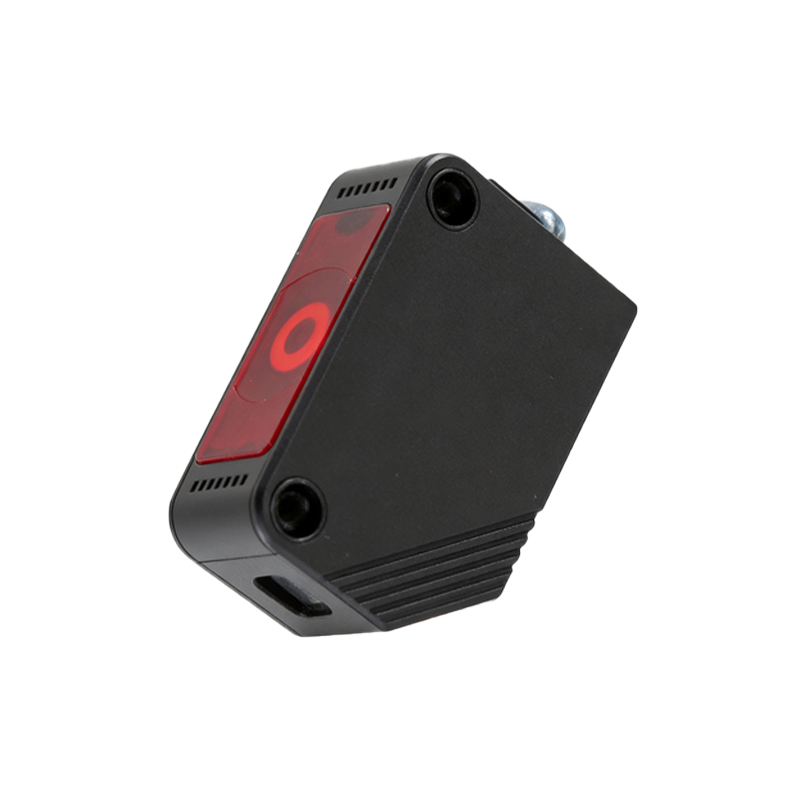
A comprehensive photoelectric sensor lab requires a suite of specialized equipment. This includes high-precision optical benches and linear translation stages with micrometer accuracy for precise distance and alignment testing. Programmable light sources capable of emitting various wavelengths (e.g., infrared, red, green, blue) and intensities are necessary to test sensor spectral response and immunity to ambient light. For dynamic testing, motorized targets with variable surface properties (reflectivity, color, material) and speeds are indispensable. The heart of the measurement system comprises digital oscilloscopes, high-speed data acquisition (DAQ) systems, and programmable logic controller (PLC) interfaces to capture response times, signal waveforms, and switching behavior. Calibrated lux meters, spectrometers, and standard reference targets provide the traceability and accuracy required for valid results.
Developing Standardized Test Procedures
Consistency is key in laboratory testing. Developing and documenting standardized test procedures (STPs) for each parameter is critical. These procedures must detail the exact setup, step-by-step instructions, data collection methods, and acceptance criteria. For instance, a procedure for measuring response time would specify the trigger mechanism, oscilloscope settings, and the method for calculating the rise/fall time from the captured waveform. Procedures should align with relevant international standards, such as IEC 60947-5-2 for proximity sensors, to ensure industry recognition of the test results. Automated test sequences, controlled via software like LabVIEW or Python scripts, enhance repeatability and efficiency while minimizing human error during long-duration or high-cycle tests.
Data Acquisition, Analysis, and Reporting
Modern testing laboratories rely on integrated data acquisition and analysis systems. Sensor output signals should be fed directly into a centralized DAQ system, where software logs all relevant parameters—sensor under test, test conditions, timestamps, and measured values. Statistical analysis tools are then used to process this data, calculating mean values, standard deviations, and process capability indices (e.g., Cp, Cpk) to assess performance consistency. The final output is a comprehensive test report that clearly presents findings with graphs, tables, and pass/fail conclusions against specifications. Implementing a Laboratory Information Management System (LIMS) can streamline data storage, retrieval, and report generation, creating a secure and auditable record for every sensor tested.
Safety and Maintenance Protocols
A safe working environment is fundamental. Safety protocols must address both optical and electrical hazards. This includes using laser safety interlocks for Class 2 or higher laser-based sensors, providing appropriate protective eyewear, and ensuring all high-voltage circuits are properly enclosed and labeled. Regular maintenance schedules for all equipment, including calibration of measurement instruments against national standards, are mandatory to uphold laboratory accreditation and the validity of test data. A clean, organized lab, free of dust and clutter, not only promotes safety but also protects sensitive optical components and ensures the long-term reliability of the testing facility.