Introduction to Photoelectric Sensing Technology
Photoelectric sensors are indispensable components in modern industrial automation, offering non-contact detection of objects based on the modulation of light. These devices operate by emitting a beam of light, typically from an LED or laser diode, and detecting changes in the received light intensity caused by the presence, absence, or characteristics of a target object. The core principle relies on the photoelectric effect, where light energy is converted into an electrical signal. This technology provides significant advantages over mechanical limit switches or proximity sensors, including higher sensing distances, faster response times, and the ability to detect a wide variety of materials regardless of color, surface finish, or conductivity. From simple presence detection in packaging lines to complex positioning in robotic assembly, photoelectric sensors form the backbone of reliable and efficient automated systems.
Key Design Considerations and Selection Criteria
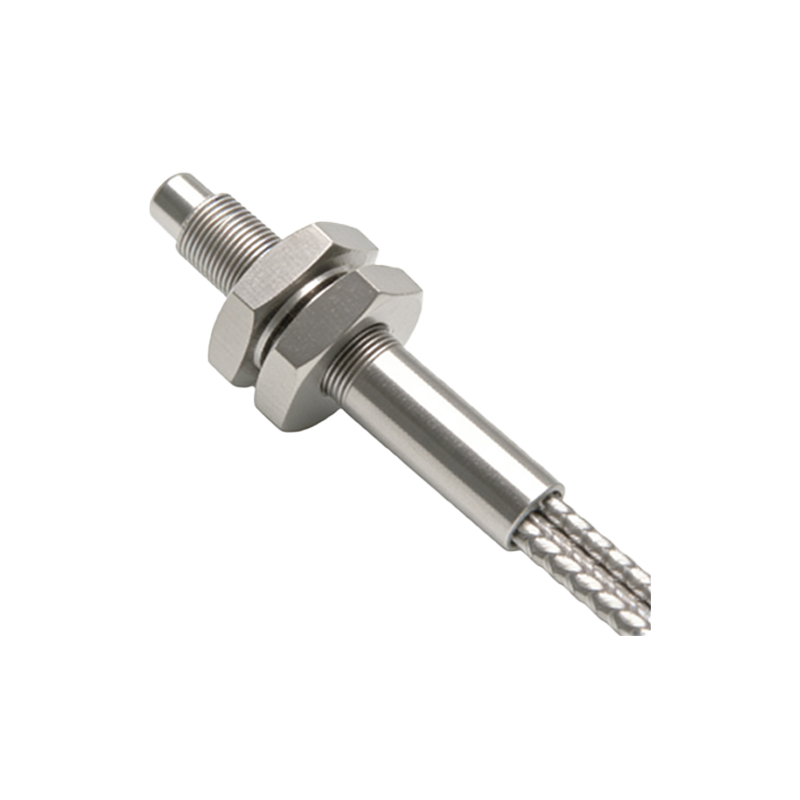
Selecting the appropriate photoelectric sensor for an application requires a thorough analysis of several critical parameters. The operating principle is the primary choice: through-beam, retro-reflective, diffuse, or background suppression. Through-beam sensors, with separate emitter and receiver units, offer the longest range and highest reliability but require precise alignment. Retro-reflective types use a reflector and are easier to install, though they can be fooled by shiny objects. Diffuse sensors detect light reflected directly from the target, making them compact and simple, but their sensing range and performance are highly dependent on the target's color and surface. Background suppression sensors are a specialized diffuse type that can detect an object at a precise distance, ignoring anything beyond it. Other vital selection factors include sensing range, required response time, light source type (visible red, infrared, laser), output configuration (PNP/NPN, analog, IO-Link), housing material (metal or plastic for environmental protection), and the required ingress protection (IP) rating for dust and water resistance.
Overcoming Common Environmental Challenges
Industrial environments present numerous challenges that can degrade sensor performance. Ambient light from factory windows or high-intensity lamps can saturate the receiver. Selecting sensors with modulated LED light and synchronous detection circuits is crucial to reject constant ambient light. Contaminants like dust, oil mist, or steam can coat the lens or scatter the light beam. Choosing sensors with high IP ratings (e.g., IP67, IP69K), periodic cleaning schedules, or models with built-in air purge connections can mitigate this. Vibrations can misalign through-beam sensors; using models with alignment indicators or robust mounting brackets is essential. Temperature extremes can affect electronic components and LED output; ensuring the sensor's specified operating temperature range matches the application environment is non-negotiable. For detecting challenging objects like clear glass or bottles, specialized sensors using polarized light or specific wavelength filters are often necessary.
Circuit Integration and Output Handling
Successful integration of a photoelectric sensor into a control system involves careful electrical and logical design. The sensor's power supply must be stable and within its specified voltage range, typically 10-30V DC. Wiring must follow manufacturer guidelines, paying close attention to the sink (NPN) or source (PNP) output configuration to ensure compatibility with the PLC input card. Shielding cables in electrically noisy environments is recommended. The sensor's output, usually a solid-state switch, can drive a PLC input, a relay coil, or directly interface with other logic circuits. For analog output sensors providing distance or intensity information, proper scaling within the PLC program is required. Modern sensors with IO-Link communication offer digital integration, providing not only switch status but also detailed diagnostic data like signal strength, operating hours, and temperature, enabling predictive maintenance strategies.
Advanced Applications and System Optimization
Beyond basic detection, photoelectric sensors enable sophisticated applications. Color sensors differentiate objects based on reflected RGB values, used in sorting systems. Contrast sensors detect mark-to-background differences for registration control in printing. Luminescence sensors detect materials treated with optical brighteners. In safety systems, safety light curtains use arrays of photoelectric beams to create presence-sensing protective devices (PSPDs) for machine guarding. For system optimization, engineers should utilize built-in features like teach-in functionality for automatic threshold setting, adjustable response time to filter out signal bounce, and programmable logic functions (e.g., window mode, hysteresis) within smart sensors to reduce PLC program complexity. Regular maintenance, including lens cleaning and verification of alignment and signal strength via built-in indicators, ensures long-term system reliability and minimizes unplanned downtime.