Introduction to Photoelectric Sensors
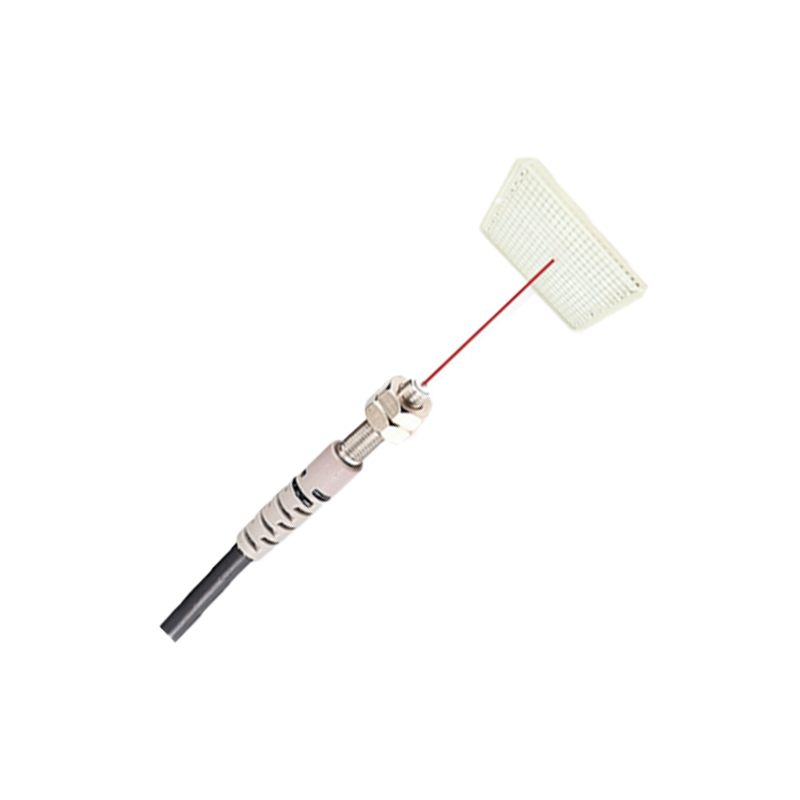
Photoelectric sensors are versatile devices that utilize light beams to detect the presence, absence, or distance of objects. They operate by emitting a light source, typically from an LED or laser diode, and then measuring the reflected or interrupted light with a receiver. These sensors are fundamental components in industrial automation due to their non-contact nature, high precision, and reliability. Common types include through-beam, retro-reflective, and diffuse reflective sensors, each suited for specific applications based on environmental conditions and detection requirements. Their ability to function in harsh environments, such as those with dust, moisture, or extreme temperatures, makes them indispensable in modern manufacturing and process control systems.
Key Principles and Operation Modes
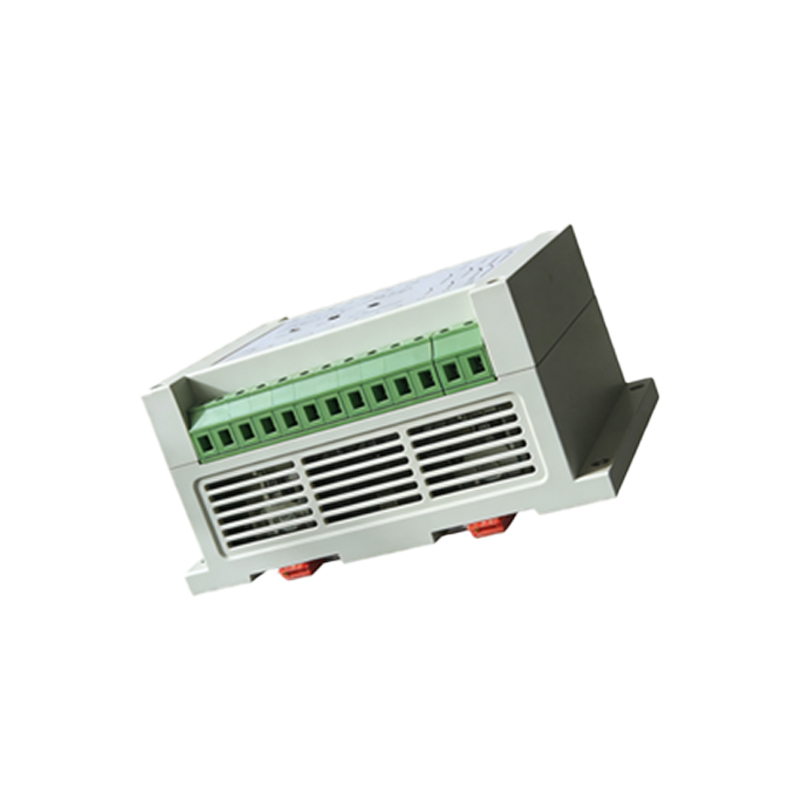
The core principle of photoelectric sensors involves the interaction between emitted light and the target object. In through-beam sensors, the emitter and receiver are separate units; detection occurs when an object breaks the light beam. Retro-reflective sensors use a reflector to bounce light back to the receiver, with detection triggered by beam interruption. Diffuse reflective sensors rely on light reflecting directly off the object's surface. Advanced models incorporate background suppression or triangulation for precise distance measurement, enabling applications in quality control and positioning. These sensors often feature adjustable sensitivity, response times, and output signals (e.g., digital or analog) to integrate seamlessly with PLCs and other control systems.
Applications in Manufacturing and Assembly Lines
In manufacturing, photoelectric sensors play a critical role in automating production lines. They are used for object detection in conveyor systems, ensuring proper alignment and counting of items. For example, in automotive assembly, sensors verify the presence of components like bolts or panels, preventing errors and enhancing safety. They also monitor fill levels in packaging machines, detecting transparent or colored containers with high accuracy. In electronics manufacturing, these sensors assist in PCB inspection by identifying missing components or misalignments. Their fast response times, often in milliseconds, support high-speed operations, reducing downtime and improving overall efficiency.
Role in Material Handling and Logistics
Material handling systems rely heavily on photoelectric sensors for sorting, positioning, and tracking goods. In warehouses, sensors guide automated guided vehicles (AGVs) by detecting path markers or obstacles, ensuring smooth navigation. They enable barcode scanning for inventory management, reading labels on moving packages without physical contact. In conveyor-based sorting, sensors differentiate between package sizes and shapes, directing them to appropriate lanes. Rugged designs withstand vibrations and impacts, making them ideal for heavy-duty logistics environments. Additionally, they contribute to safety by monitoring access points and preventing collisions in automated storage and retrieval systems.
Advancements in Smart Sensor Technology
Recent advancements have enhanced photoelectric sensors with smart features, such as IO-Link connectivity and IoT integration. These sensors can transmit real-time data on performance metrics like signal strength or contamination levels, enabling predictive maintenance and reducing failures. Adaptive algorithms allow self-adjustment to changing conditions, such as varying light intensities or surface reflectivities. In Industry 4.0 applications, sensors connect to cloud platforms for remote monitoring and analytics, optimizing processes across facilities. Innovations like miniaturization and energy-efficient designs further expand their use in compact or battery-powered devices, from robotics to consumer electronics.
Challenges and Future Trends
Despite their advantages, photoelectric sensors face challenges like interference from ambient light or highly reflective surfaces. Solutions include using modulated light frequencies and protective housings. Future trends focus on enhancing accuracy with AI-driven image processing and multi-sensor fusion for complex tasks. The integration of hyperspectral sensing may enable material composition analysis, opening new applications in recycling or food inspection. As industries prioritize sustainability, sensors with longer lifespans and recyclable materials will gain prominence. Overall, ongoing research aims to make these devices more robust, intelligent, and adaptable to evolving automation needs.