Introduction to ZX-E Series Linear Proximity Sensors
The ZX-E Series represents a significant advancement in linear proximity sensing technology, designed specifically for demanding industrial automation environments. These intelligent sensors combine high-precision measurement with robust construction, offering reliable non-contact detection of metallic objects. Engineered with state-of-the-art electronics, the ZX-E Series provides exceptional accuracy and repeatability, making it an ideal choice for applications ranging from precision assembly to heavy machinery monitoring. The series incorporates advanced algorithms that minimize the effects of environmental interference, ensuring stable performance even in challenging conditions such as temperature variations, humidity, and electromagnetic noise.
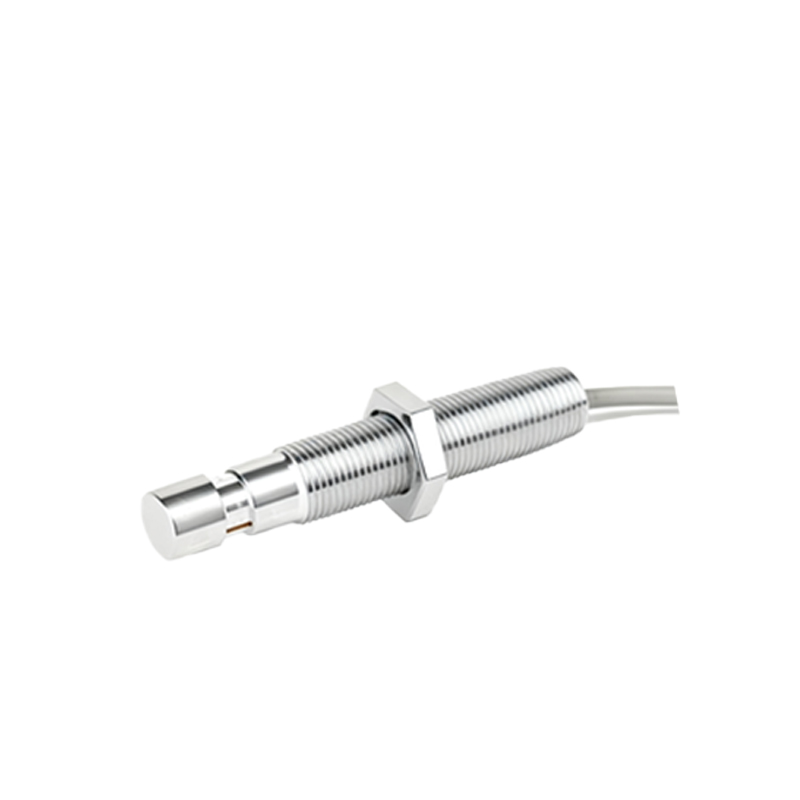
Core Technological Features and Innovations
At the heart of the ZX-E Series lies a sophisticated electromagnetic sensing mechanism that delivers linear output proportional to the distance of the target. This series features embedded microprocessors that enable real-time signal processing and self-diagnostic capabilities. Key innovations include adaptive calibration, which allows the sensor to automatically adjust to different target materials and surface conditions, and temperature compensation circuits that maintain accuracy across a wide operating range. The sensors also offer multiple output options, including analog voltage, analog current, and digital interfaces, providing seamless integration with various control systems such as PLCs, PACs, and industrial PCs.
Application Scenarios in Industrial Automation
ZX-E Series sensors find extensive use in diverse industrial sectors due to their versatility and reliability. In automotive manufacturing, they are employed for precise positioning of robotic arms and quality control inspections. The packaging industry utilizes these sensors for monitoring fill levels and detecting product presence on high-speed conveyor lines. In metalworking and machining, they ensure accurate tool positioning and workpiece dimension verification. Additionally, their robust design makes them suitable for harsh environments like foundries and welding cells, where they contribute to process optimization and safety enhancement by detecting anomalies in real-time.
Installation, Configuration, and Maintenance Guidelines
Proper installation is crucial for optimal performance of ZX-E Series sensors. Mounting should ensure stable alignment with the target, avoiding angular misalignment that could affect measurement accuracy. Configuration typically involves setting measurement ranges, output types, and response times via intuitive push-button interfaces or dedicated software tools. The series supports daisy-chaining for simplified wiring in multi-sensor setups. Maintenance requirements are minimal, thanks to the non-contact operation and sealed housings that protect against dust, oil, and water ingress. Regular functional checks and periodic calibration verification are recommended to sustain long-term accuracy.
Comparative Advantages Over Conventional Sensors
Compared to traditional inductive or capacitive proximity sensors, the ZX-E Series offers superior performance in several aspects. Its linear output provides continuous distance information rather than simple on/off signals, enabling more sophisticated control strategies. The intelligent features, such as automatic drift compensation and fault indication, reduce downtime and maintenance costs. Enhanced noise immunity ensures reliable operation in electrically noisy environments. Furthermore, the compact form factor and flexible mounting options allow for easy retrofitting into existing machinery without major modifications, offering a cost-effective upgrade path for legacy systems.
Future Trends and Integration with Industry 4.0
The ZX-E Series is designed with forward compatibility in mind, aligning with the principles of Industry 4.0 and the Industrial Internet of Things (IIoT). Future developments may include enhanced connectivity options like IO-Link and Ethernet/IP, enabling seamless data exchange with higher-level management systems. Predictive maintenance capabilities, leveraging sensor data analytics, could further optimize operational efficiency. Integration with cloud platforms for remote monitoring and diagnostics is also a foreseeable advancement, empowering users to achieve smarter, data-driven decision-making in their automation processes.