Introduction to Distance and Proximity Sensor Pricing
The market for distance and proximity sensors is dynamic, with prices influenced by a complex interplay of technological innovation, raw material costs, manufacturing scale, and specific application demands. As an electrical engineer, understanding these price trends is crucial for project budgeting and selecting the optimal sensor for reliability and cost-effectiveness. Generally, sensor pricing spans a broad spectrum. Basic inductive or capacitive proximity sensors, used for simple object detection, can be very affordable, often starting from $10 to $50 per unit in bulk purchases. More sophisticated technologies like ultrasonic, laser (LiDAR), or time-of-flight (ToF) sensors command higher prices, ranging from $50 to several hundred dollars, depending on resolution, range, and environmental sealing.
Key Factors Driving Sensor Costs
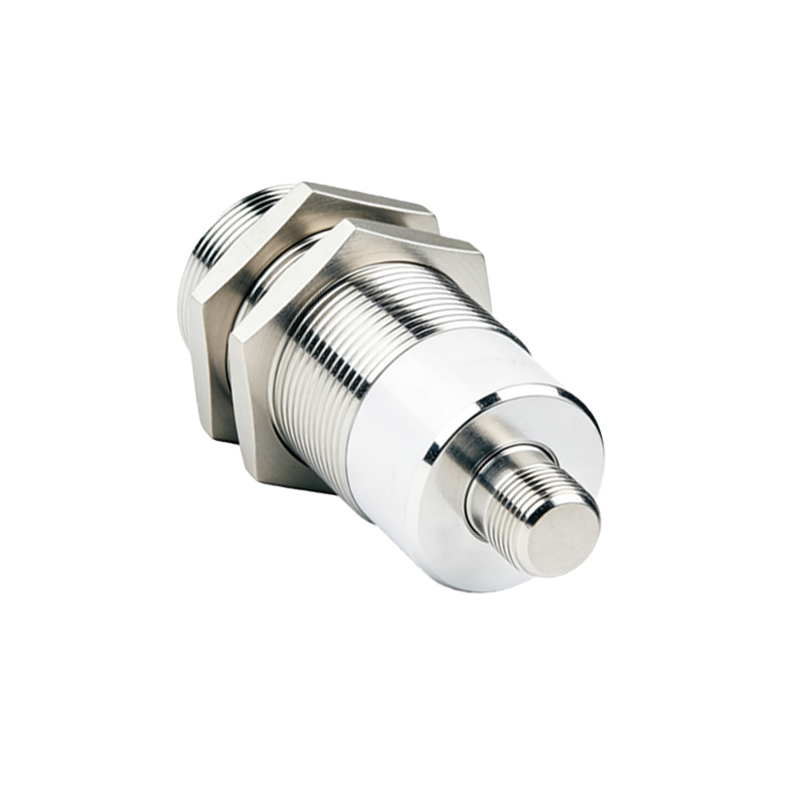
Several core factors dictate the final price of a distance or proximity sensor. The underlying technology is the primary cost driver. Inductive sensors, detecting metallic objects, are typically the least expensive due to mature, high-volume production. Ultrasonic sensors, offering longer range and material independence, are moderately priced. Laser-based sensors provide high precision and long range but involve complex optics and electronics, leading to the highest price points. Secondly, performance specifications such as sensing range, accuracy, repeatability, and response time directly impact cost. A sensor with sub-millimeter accuracy will cost significantly more than one with centimeter-level accuracy. Environmental ratings (IP, NEMA), housing materials (stainless steel vs. plastic), and output options (analog, digital, IO-Link) also add to the unit price.
Impact of Industry 4.0 and Smart Manufacturing
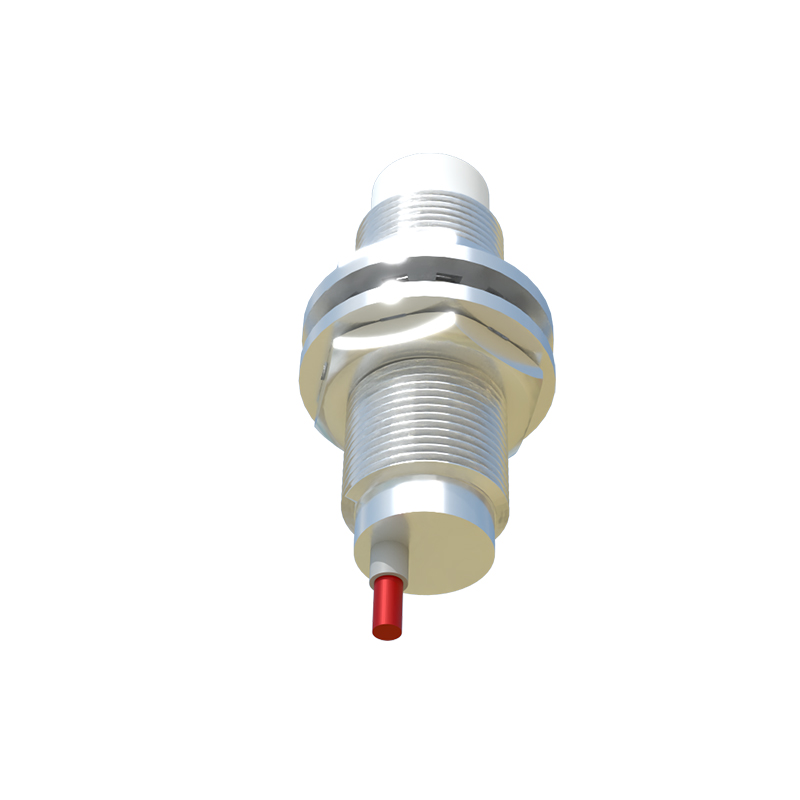
The rise of Industry 4.0 and smart factories has significantly shaped the sensor market and its pricing. The demand for sensors with advanced communication capabilities, such as IO-Link, Ethernet/IP, or PROFINET, has increased. These "smart sensors" provide not only measurement data but also diagnostic and parameterization functions, justifying a price premium of 20-40% over standard models. However, economies of scale in manufacturing these networked sensors are gradually applying downward pressure on prices. Furthermore, the integration of sensors into larger IoT ecosystems creates value beyond the hardware cost, influencing procurement decisions towards more feature-rich, albeit slightly more expensive, units for long-term operational intelligence.
Global Supply Chain and Component Availability
Recent global events have underscored the vulnerability of the electronics supply chain, directly affecting sensor prices. Shortages of critical components like microcontrollers, specialized ICs, and even passive components have led to increased lead times and cost fluctuations. While prices for standard sensors have somewhat stabilized, custom or high-specification models remain susceptible to volatility. Manufacturers are responding by diversifying suppliers and redesigning products for component commonality, but these measures take time to filter through to market prices. For engineers, this means maintaining flexibility in sensor selection and considering alternative suppliers or technologies to mitigate budget overruns.
Price Comparison Across Major Sensor Types
A comparative analysis highlights clear price tiers. Inductive/Capacitive Proximity Sensors remain the workhorses for position detection, with prices typically between $15-$80. Ultrasonic Sensors, for distance measurement and level sensing, range from $40-$150. Laser Distance Sensors (non-LiDAR) for precise measurement are in the $100-$400 bracket. High-end 2D/3D LiDAR sensors for navigation and mapping start from $500 and can exceed several thousand dollars. It's important to note that list prices often differ from volume OEM pricing, which can be 30-50% lower for large-quantity orders directly from manufacturers.
Future Outlook and Cost Trajectory
The long-term price trajectory for distance and proximity sensors is expected to be gradually downward for standard functionalities, driven by manufacturing automation and competition. However, this will be offset by the increasing integration of advanced features like embedded AI for edge processing, enhanced safety certifications (SIL, PL), and multi-technology fusion (e.g., combining vision with LiDAR). These innovations will create new, higher-value product categories. For cost-sensitive applications, the market will continue to offer robust, low-cost options. For advanced applications, the focus will shift from pure unit cost to total cost of ownership, factoring in installation, calibration, maintenance, and the value of the data generated.