Introduction to Photoelectric Sensing Technology
Photoelectric sensors are fundamental components in modern industrial automation, renowned for their non-contact detection capabilities. These devices operate by emitting a beam of light, typically from an LED or laser diode, and detecting changes in the received light intensity. The core principle hinges on the interaction between light and the target object. When the light beam is interrupted, reflected, or absorbed by an object, the sensor's receiver detects this alteration, triggering an electrical output signal. This technology offers significant advantages over mechanical limit switches, including faster response times, longer operational life, and the ability to detect a wide variety of materials, from opaque metals to transparent glass or liquids. The reliability and versatility of photoelectric sensors make them indispensable in applications ranging from packaging and material handling to assembly line verification and safety systems.
Defining the Slot-Type (Through-Beam) Configuration
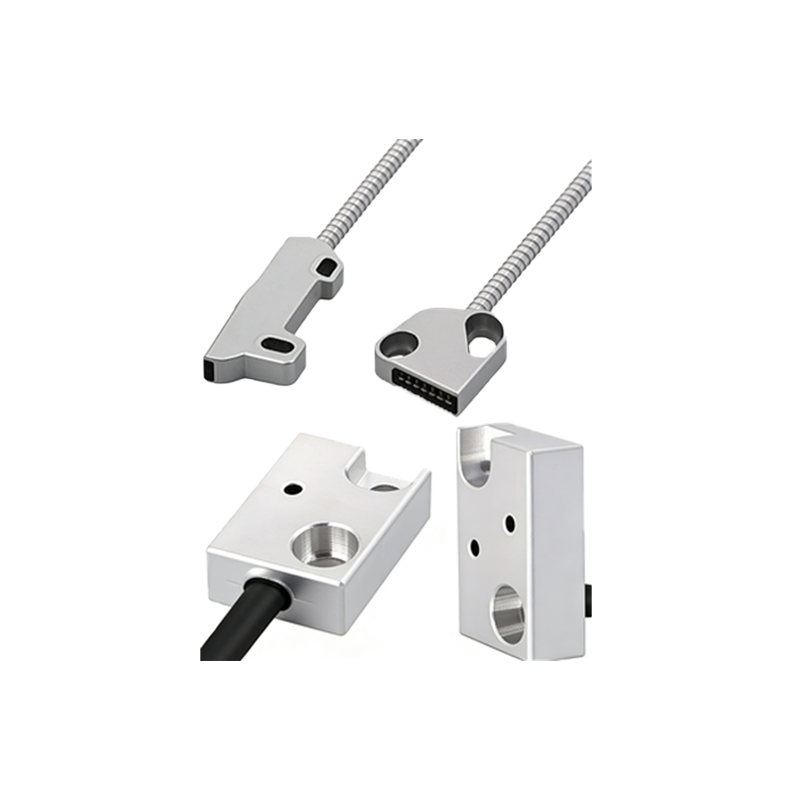
The slot-type photoelectric sensor, often referred to as a through-beam or fork sensor, represents a specific physical configuration designed for highly reliable object detection. This sensor is constructed as a single, integrated unit featuring a U-shaped or "forked" housing. Within this housing, the light emitter (transmitter) and the light receiver (photodetector) are precisely aligned on opposite sides of a physical gap or "slot." The emitter continuously projects a light beam directly across this gap to the receiver. The key operational principle is straightforward: an object passing through the slot physically breaks the light beam. This interruption causes the light intensity at the receiver to drop to near zero, which the sensor's internal circuitry interprets as a detection event, subsequently changing its output state. This through-beam arrangement is considered the most robust and reliable sensing mode because it provides the highest possible signal contrast between the "beam present" and "beam blocked" states.
Core Operating Principle and Internal Components
The operational efficacy of a slot sensor relies on a carefully engineered system. The light source is usually a modulated infrared LED, though visible red or laser light sources are also common for specific applications. Modulation involves pulsing the light at a high frequency (e.g., several kHz). This technique is crucial as it allows the sensor's receiver circuit to distinguish the modulated signal from ambient light (like factory lighting or sunlight), thereby achieving exceptional immunity to optical noise. The receiver is typically a phototransistor or photodiode tuned to respond to the emitter's specific wavelength and modulation frequency. When the beam is unbroken, the receiver generates a strong, stable electrical signal. The sensor's amplifier and evaluation circuitry constantly monitor this signal. Upon beam interruption, the signal loss is detected almost instantaneously. The sensor then processes this event based on its configured logic (light-on or dark-on operation) and drives its solid-state or relay output accordingly. This entire process occurs in milliseconds, enabling the detection of very fast-moving objects.
Key Advantages of the Slot Sensor Design
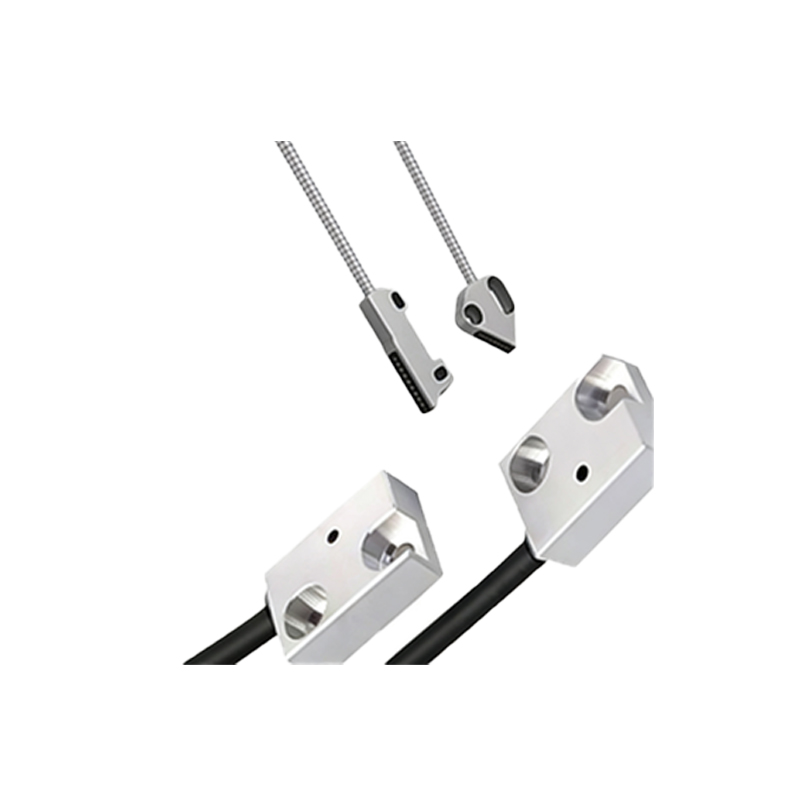
The unique design of the slot-type photoelectric sensor confers several distinct advantages in industrial settings. First and foremost is its exceptional reliability and sensing stability. The direct, opposed alignment of emitter and receiver ensures a strong, consistent signal, minimizing the risk of false triggers compared to reflective sensing modes. Second, it offers high positional accuracy. Since detection occurs the moment the beam is broken at a specific point in space, the repeatability of detection is extremely high. Third, slot sensors are largely immune to the color, reflectivity, or surface finish of the target object. Whether the object is shiny, matte, black, white, or transparent, if it is opaque enough to interrupt the beam, it will be detected. This makes them ideal for applications involving varied or unpredictable materials. Finally, their integrated, self-contained design simplifies installation and alignment, as the optical axes are factory-set and permanently fixed within the rugged housing.
Common Industrial Applications and Use Cases
Slot sensors are deployed across a vast spectrum of industries due to their robustness. A primary application is in object counting and verification on conveyor lines. They can detect the presence of products, components, or packaging as they pass through the slot, enabling precise counting or triggering subsequent actions like sorting or labeling. In the printing and paper industry, they are used for edge detection, hole detection in continuous forms, or verifying the presence of a sheet. Within automated machinery, they serve as precise limit switches to confirm the position of a actuator, gripper, or slide. They are also integral to safety systems, such as interlocking guards on machinery; if the protective guard is opened, a finger or tool breaks the beam, signaling the machine to stop. Another critical use is in detecting the leading edge of materials in web processing, such as textiles, films, or metals.
Critical Selection Criteria and Installation Considerations
Selecting the appropriate slot sensor requires careful analysis of the application parameters. The slot width and depth are the most fundamental dimensions, dictating the maximum size of the object that can pass through and the required clearance. The sensing beam's position within the slot is also vital; some sensors have a "through-center" beam, while others may have it closer to the base. The response time of the sensor must be faster than the speed of the target object to ensure no missed detections. Environmental factors are paramount: the sensor's housing material (often PVC, metal, or specialized plastics) and Ingress Protection (IP) rating must withstand dust, moisture, oils, or chemical exposure present in the operating environment. Electrical characteristics, including operating voltage (e.g., 10-30V DC) and output type (PNP/NPN, NO/NC), must be compatible with the control system. During installation, ensuring that the slot is free of obstructions and that accumulating debris does not permanently block the beam is essential for long-term reliability. Proper mounting to minimize vibration is also recommended to maintain optical alignment.
Comparison with Other Photoelectric Sensing Modes
It is instructive to contrast the slot-type (through-beam) principle with other common photoelectric modes. Retro-reflective sensors use a single unit that emits light toward a dedicated reflector; detection occurs when an object blocks the beam to the reflector. While effective for longer ranges, they can be fooled by highly reflective objects that mirror the beam back. Diffuse (proximity) sensors house the emitter and receiver side-by-side and detect light reflected directly off the target object. Their sensing range is shorter and highly dependent on the target's color and surface properties. In contrast, the slot-type through-beam mode offers the highest reliability and immunity to object surface characteristics but requires the object to pass between two fixed points. The choice between these modes ultimately depends on the specific constraints of range, target properties, required reliability, and mechanical mounting possibilities in the application.
Maintenance, Troubleshooting, and Best Practices
While slot sensors are designed for durability, proper maintenance ensures optimal lifespan and performance. The primary maintenance task is keeping the optical windows (the lenses over the emitter and receiver) clean and free from dust, dirt, or grime buildup, which can attenuate the light signal. Regular inspection for physical damage to the housing or cable is also advised. Common troubleshooting steps include verifying the power supply