Understanding Through-Beam Photoelectric Sensors
Through-beam photoelectric sensors, often considered the most robust and reliable type in the photoelectric family, operate on a simple yet powerful principle. They consist of two separate units: a transmitter and a receiver. The transmitter emits a constant beam of light, typically infrared, visible red, or laser, which is then detected by the receiver positioned directly opposite. The core function is detection; when an object passes between the two units, it interrupts the light beam, causing the sensor's output to switch states. This fundamental operation makes them exceptionally accurate for detecting objects regardless of surface color, reflectivity, or texture. They are the go-to solution for long-range sensing, small object detection, and applications requiring high reliability in challenging industrial environments characterized by dust, dirt, or vibration.
The Critical Role of Specialized Distributors
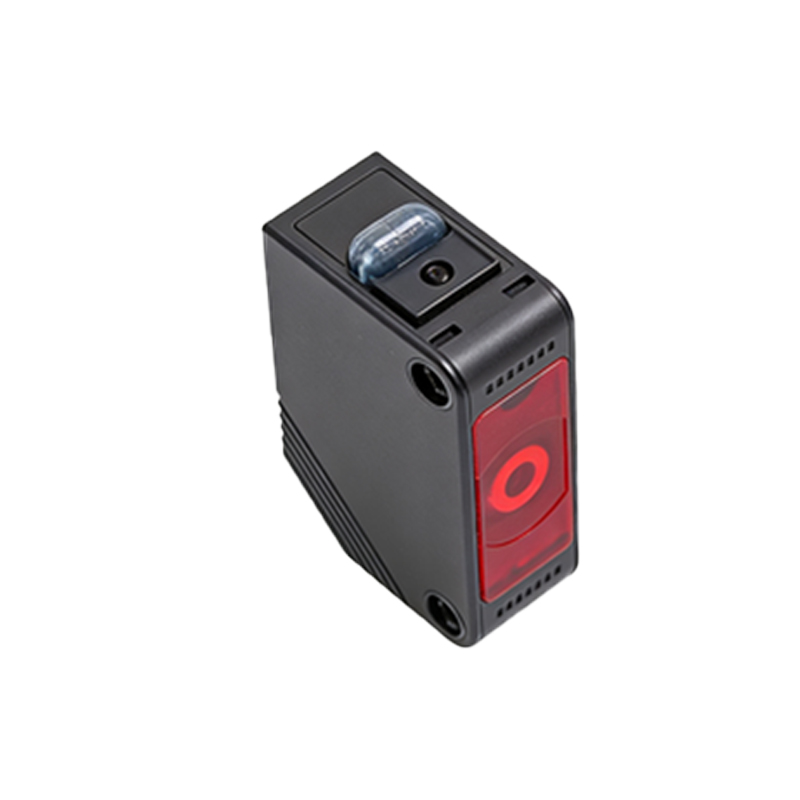
While manufacturers design and produce these sophisticated components, authorized distributors serve as the vital bridge to the market. A reputable through-beam photoelectric sensor distributor does far more than simply stock products. They provide essential technical expertise, helping engineers and maintenance personnel select the precise sensor model for a specific application—considering factors like sensing range, beam type, housing material (e.g., metal or plastic), and environmental protection ratings (IP67, IP69K). They offer localized inventory for rapid delivery, minimizing machine downtime. Furthermore, they handle critical value-added services such as custom cable assembly, labeling, kitting, and providing comprehensive technical documentation and support throughout the product lifecycle.
Key Selection Criteria for a Distributor Partner
Choosing the right distributor is as crucial as selecting the sensor itself. Several key criteria should guide this decision. First and foremost is technical competency. The distributor's application engineers must possess deep product knowledge to offer pre-sales consultation and solve complex integration challenges. Secondly, evaluate their product portfolio breadth and the manufacturers they represent. Partnering with a distributor that carries leading brands ensures access to high-quality, reliable components. Third, assess their logistical capabilities, including inventory levels, shipping speed, and geographic coverage. Finally, consider their post-sales support structure. A strong partner will offer troubleshooting assistance, warranty processing, and readily available replacement parts, ensuring long-term operational continuity for your systems.
Value-Added Services Beyond the Transaction
Top-tier distributors differentiate themselves through a suite of value-added services that extend well beyond the point of sale. These services can significantly reduce total cost of ownership and accelerate time-to-market for OEMs and end-users alike. Common value-adds include sensor configuration and programming, where distributors set parameters like light-on/dark-on operation or timing functions. They may also provide custom calibration for specific detection tasks. For large-scale projects, distributors often offer kitting services, pre-assembling all sensor components needed for a machine build, which streamlines the production line. Additionally, many provide comprehensive training seminars and workshops, empowering customer teams with the latest knowledge on sensor technology, installation best practices, and maintenance procedures.
Navigating Global Supply Chain Challenges
The modern industrial landscape has underscored the importance of a distributor's role in managing supply chain volatility. A proficient through-beam sensor distributor acts as a strategic buffer against disruptions. They maintain strategic safety stock of critical and high-demand models, leveraging their relationships with multiple manufacturers to source alternatives when specific products face allocation. They provide transparent communication regarding lead times and potential shortages, allowing customers to plan effectively. Furthermore, their global or regional network enables them to source products from different geographical hubs, mitigating risks associated with localized events. This proactive supply chain management is an invaluable asset for ensuring production stability.
Building a Long-Term Strategic Partnership
The most successful relationships between sensor users and distributors evolve from transactional interactions into strategic partnerships. This involves moving beyond individual purchase orders to collaborative planning. A strategic distributor partner will engage in regular business reviews, understanding your future project pipelines and growth plans to align their inventory and support accordingly. They can offer insights into upcoming product innovations and technology trends, such as the integration of IO-Link for advanced diagnostics and data exchange in through-beam sensors. By treating the distributor as an extension of your engineering and procurement team, you gain a reliable resource for innovation, risk mitigation, and sustained operational efficiency in an increasingly automated world.