Introduction to Proximity Sensing Technology
Proximity sensors are non-contact electronic devices designed to detect the presence or absence of an object within a defined sensing range without physical contact. They operate on various principles, including electromagnetic, capacitive, ultrasonic, and optical technologies. These sensors are fundamental components in modern industrial automation, robotics, automotive systems, and consumer electronics. Their primary function is to provide a reliable signal to a control system, indicating an object's approach or departure. The selection of a specific type—be it inductive, capacitive, photoelectric, or ultrasonic—depends heavily on the application's material, environmental, and operational requirements. This report provides a detailed technical analysis of the core advantages and inherent disadvantages of these critical sensing devices.
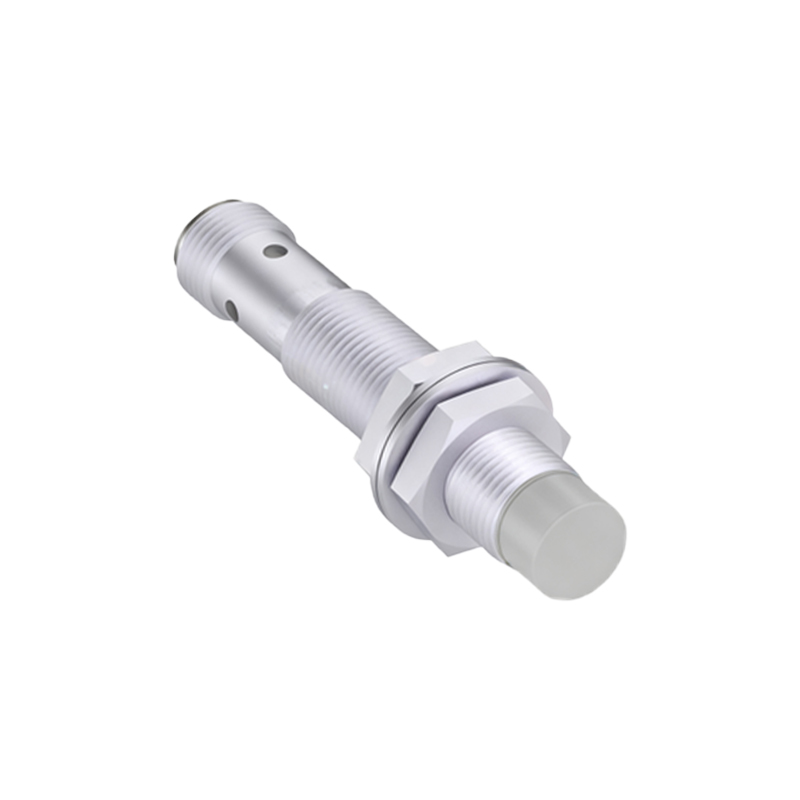
Key Advantages of Proximity Sensors
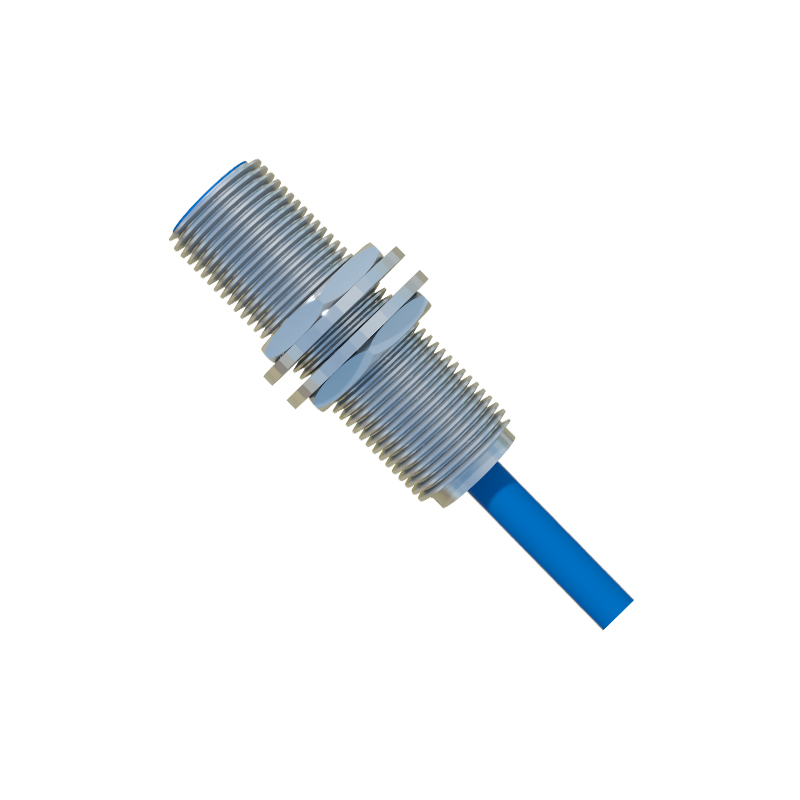
The widespread adoption of proximity sensors is driven by several compelling advantages. First and foremost is their non-contact operation. Since there is no physical touch between the sensor and the target, mechanical wear and tear are eliminated. This significantly enhances the sensor's operational lifespan and reliability, reducing maintenance costs and downtime in industrial settings. Secondly, they offer high-speed response and switching frequency. Modern inductive and photoelectric sensors can detect objects and send signals in microseconds, making them ideal for high-speed counting, sorting, and positioning applications on fast-moving production lines.
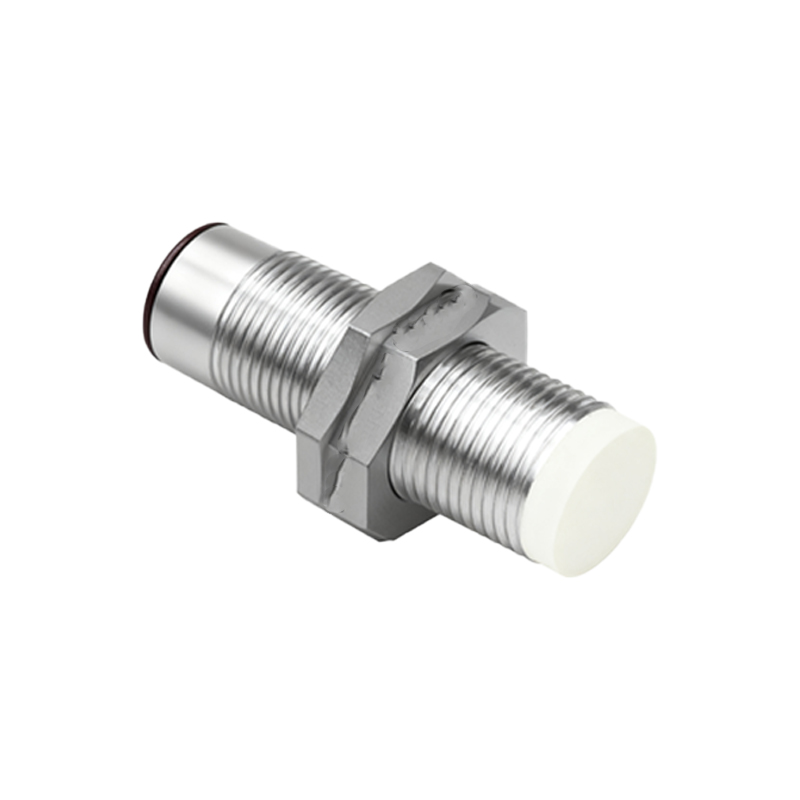
Another major advantage is environmental robustness. Many proximity sensors, particularly inductive and ultrasonic types, are housed in sealed, rugged casings. They are resistant to common industrial hazards such as dust, dirt, oil, coolant, and vibration. This allows them to perform reliably in harsh environments where other sensing methods might fail. Furthermore, they provide exceptional accuracy and repeatability. Once calibrated, a proximity sensor can consistently detect an object at the same precise point, which is crucial for quality control and precise machine automation. Finally, their simple installation and integration into Programmable Logic Controller (PLC) systems make them a cost-effective and versatile solution for a vast array of automation tasks.
Inherent Disadvantages and Limitations
Despite their numerous benefits, proximity sensors are not without limitations. A primary disadvantage is their sensitivity to material properties. For instance, standard inductive proximity sensors can only detect metallic objects, primarily ferrous metals like steel and iron. Non-ferrous metals like aluminum or copper require specialized sensors and may have a reduced sensing range. Similarly, capacitive sensors can be triggered by non-target materials like dust or moisture if not properly adjusted, leading to false signals.
The sensing range is another constraint. Compared to some vision systems or long-range photoelectric sensors, the effective detection distance for most proximity sensors is relatively short, typically from a few millimeters to several tens of millimeters. This limits their use in applications requiring long-range detection. Additionally, environmental factors can interfere with performance. Strong electromagnetic fields can affect inductive sensors, while ambient light can disrupt photoelectric sensors. Extreme temperatures can also impact the electronics and sensing capabilities of all types.
Comparative Analysis by Sensor Type
Understanding the pros and cons requires a brief comparison of major types. Inductive sensors excel in detecting metals with high speed and durability but are blind to non-metals. Capacitive sensors can detect both metallic and non-metallic materials (liquids, plastics, wood) but are more susceptible to environmental humidity and material composition changes. Photoelectric sensors offer longer ranges and can detect virtually any object, but their performance degrades in the presence of fog, dust, or highly reflective surfaces. Ultrasonic sensors are excellent for distance measurement and detecting various materials, including transparent objects, but they can be affected by temperature gradients, wind, and soft, sound-absorbing surfaces. Each type presents a trade-off between range, target material, environmental immunity, and cost.
Application-Specific Considerations
Selecting the right proximity sensor necessitates a thorough analysis of the application. For a metal part positioning task on an automotive assembly line, an inductive sensor is likely the optimal choice due to its speed and immunity to oil. For detecting the fill level of a liquid in a non-metallic tank, a capacitive or ultrasonic sensor would be more appropriate. In a clean, controlled environment for counting packaged goods, a photoelectric sensor might be ideal. Engineers must weigh factors such as the target object's material, size, required sensing distance, operating speed (switching frequency), environmental conditions (temperature, contaminants), and the necessary output type (PNP/NPN, analog, IO-Link) against the sensor's disadvantages to make an informed selection.
Conclusion and Future Outlook
In conclusion, proximity sensors are indispensable tools in automation, offering unmatched benefits in non-contact detection, speed, and durability. Their disadvantages, primarily related to material specificity, limited range, and environmental susceptibility, are well-defined and can be