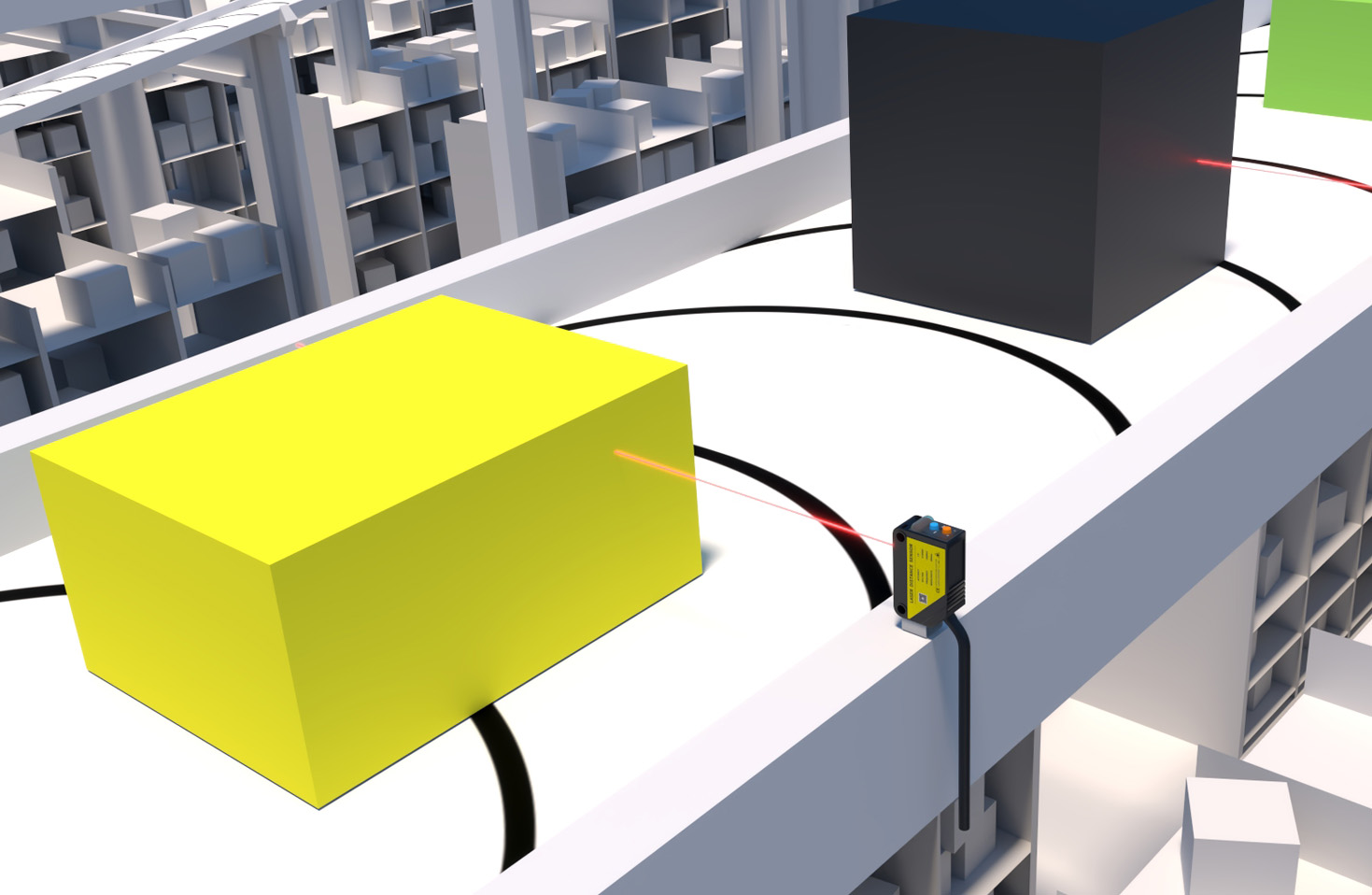
A laser sensor is a sophisticated device that utilizes laser light to detect, measure, or profile objects with exceptional precision. Unlike conventional sensors, it operates on the principle of emitting a focused, coherent beam of light and analyzing the interaction of that beam with a target. The core function hinges on measuring changes in the light beam's properties—such as its time-of-flight, phase shift, intensity, or deflection—to derive critical data like distance, presence, thickness, or contour. This technology has become indispensable in modern automation, quality control, and research due to its non-contact nature, high accuracy, and rapid response times.
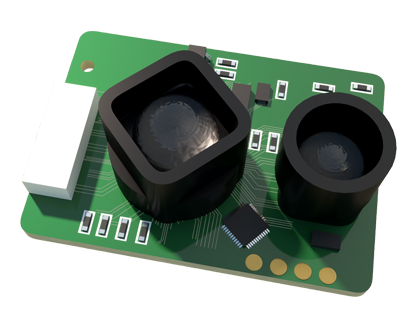
The fundamental working principle of most laser sensors involves three key stages: emission, reception, and signal processing. First, a laser diode generates a highly concentrated light beam. This beam is directed toward the target object. Upon striking the surface, the light may be reflected, scattered, or absorbed. A photodetector or receiver within the sensor then captures the returned light signal. The internal electronics and processor analyze specific characteristics of this returned signal. For instance, in a laser triangulation sensor, the position of the reflected light spot on a linear CCD array changes proportionally to the target's distance. In a time-of-flight (ToF) sensor, the precise time delay between the emitted pulse and its return is measured to calculate distance. This processed information is finally converted into a standardized electrical output for use by control systems.
There are several primary types of laser sensors, each optimized for different applications. Laser Distance Sensors measure the interval between the sensor and an object. They are commonly based on ToF or phase-shift measurement principles and are used in robotics, level monitoring, and construction. Laser Displacement Sensors are a subtype designed for high-precision measurement of an object's position, thickness, or vibration. They often employ triangulation and offer micron-level resolution, making them vital in semiconductor manufacturing and precision assembly. Laser Profilers or 3D Scanners use a laser line instead of a single point to capture the complete cross-sectional profile or 3D shape of an object, essential for reverse engineering and inspection. Laser Contrast Sensors detect marks, labels, or color differences by evaluating the intensity of reflected light, widely used in packaging and printing. Laser Micrometer Sensors measure external dimensions like diameter or width by detecting the edges of an object that interrupts the laser beam.

The advantages of laser sensors are numerous. Their non-contact operation eliminates mechanical wear and prevents damage to both the sensor and delicate targets. They provide exceptionally high resolution and repeatability, often at the sub-micron level. The focused laser beam allows for precise detection of small objects or features and enables measurements in confined spaces. Furthermore, many laser sensors are largely immune to ambient light interference and can function effectively on a wide variety of surface materials and colors, though highly reflective or transparent surfaces may require special consideration or sensor settings.
Applications for laser sensors span virtually every industry. In factory automation, they are used for precise part positioning, robot guidance, and presence detection on high-speed production lines. The automotive industry relies on them for measuring component gaps, inspecting weld seams, and controlling paint thickness. Electronics manufacturing utilizes them for wafer inspection, solder paste measurement, and micro-component alignment. In metrology and quality control, laser sensors perform critical dimensional checks, flatness measurements, and surface defect detection. Beyond industrial settings, they are found in agriculture for crop monitoring, in logistics for volume measurement, and in research laboratories for experimental setups.
Selecting the right laser sensor requires careful consideration of several parameters. The required measurement range and resolution are paramount. The spot size of the laser determines the minimum feature that can be measured. Sampling rate or response speed is crucial for dynamic or high-speed processes. The material and surface characteristics of the target (e.g., color, reflectivity, transparency) will influence the choice of sensor type and may necessitate models with automatic exposure control or specialized optics. Environmental factors like temperature, humidity, and potential contaminants must also be accounted for to ensure long-term reliability.
In summary, a laser sensor is a versatile and powerful tool that translates the physical properties of a laser beam's interaction with a target into precise, actionable data. Its ability to perform accurate, non-contact measurements at high speeds has made it a cornerstone of modern industrial and technological advancement. From ensuring the quality of microscopic components to guiding autonomous vehicles, the laser sensor continues to push the boundaries of what is measurable and automatable, solidifying its role as a critical enabling technology for the future.