Proximity sensor control modules are integral components in modern automation and electronic systems. These modules serve as the brain behind proximity sensors, interpreting signals and triggering appropriate responses in various applications. Unlike simple sensor units, a control module typically includes signal conditioning, processing capabilities, and output interfaces, making it a versatile solution for industrial, automotive, and consumer electronics.
The core function of a proximity sensor control module is to detect the presence or absence of an object within a specified range without physical contact. It achieves this by utilizing technologies such as inductive, capacitive, ultrasonic, or optical sensing. Once the sensor detects an object, the control module processes the raw signal, filters out noise, and converts it into a usable output, such as a digital signal or analog voltage. This output can then drive other components like relays, motors, or microcontrollers, enabling automated actions like stopping a conveyor belt, activating safety mechanisms, or adjusting lighting.
In industrial settings, proximity sensor control modules enhance efficiency and safety. For instance, in manufacturing lines, they monitor object positioning, count items, or prevent collisions in robotic arms. The modules often feature adjustable sensitivity and response times, allowing customization for specific environments. Durability is another key aspect, with many modules designed to withstand harsh conditions like extreme temperatures, moisture, or electromagnetic interference. This reliability reduces downtime and maintenance costs, contributing to smoother operations.
Automotive applications also heavily rely on these modules. In vehicles, they support advanced driver-assistance systems (ADAS) by enabling features like parking assistance, blind-spot detection, and automatic braking. The control module ensures accurate detection of obstacles, processing data in real-time to alert drivers or initiate corrective actions. Its integration with vehicle networks, such as CAN bus, allows seamless communication with other electronic control units (ECUs), enhancing overall system coordination.
For consumer electronics, proximity sensor control modules enable intuitive user interactions. In smartphones, they detect when a user holds the phone near their ear during a call, turning off the display to save power and prevent accidental touches. Similarly, in smart home devices, modules can trigger lights or appliances based on human presence, improving energy efficiency and convenience. The compact design and low power consumption of these modules make them ideal for portable and battery-operated devices.
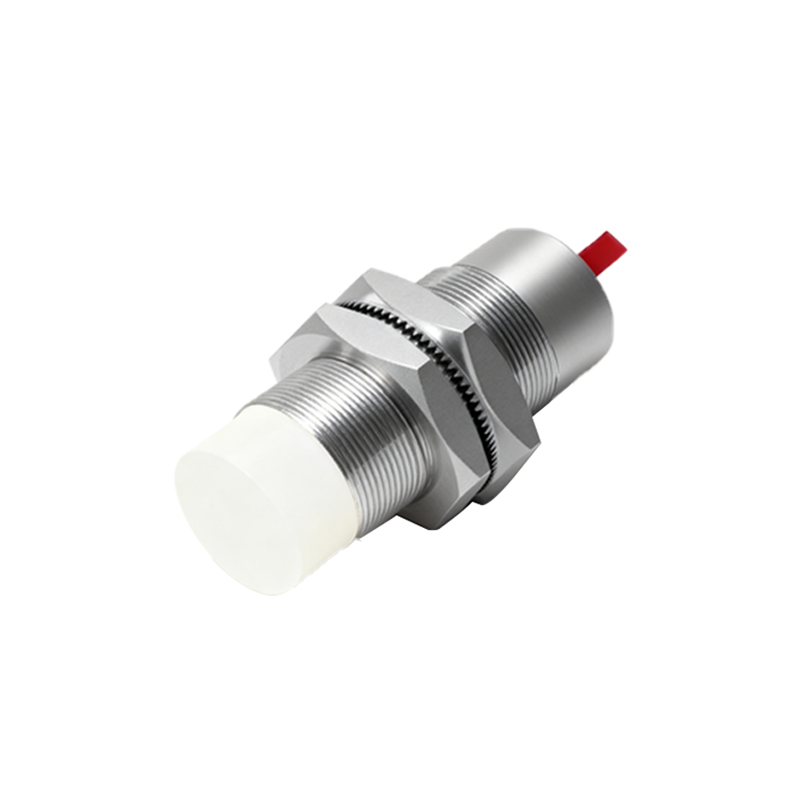
When selecting a proximity sensor control module, several factors should be considered. The sensing range and technology must match the application requirements—inductive sensors are suitable for metal objects, while capacitive ones detect non-metallic materials. Output types, such as NPN/PNP transistors or analog outputs, determine compatibility with downstream systems. Environmental resilience, including IP ratings for dust and water resistance, ensures longevity in challenging settings. Additionally, ease of integration, through standard communication protocols like I2C or SPI, simplifies implementation in complex setups.
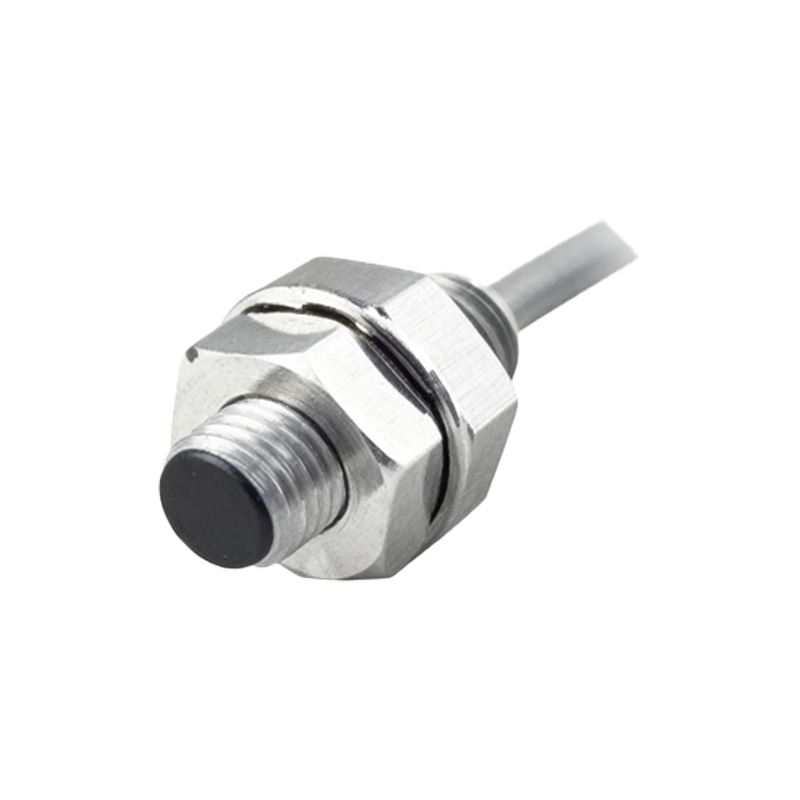
Installation and calibration are straightforward for most modules. Typically, they include mounting holes, LED indicators for status, and potentiometers for tuning sensitivity. Proper alignment with the target object is crucial to avoid false triggers. Regular testing, using manufacturer guidelines, helps maintain accuracy over time. As technology advances, newer modules incorporate smart features like self-diagnostics, wireless connectivity, and machine learning algorithms for predictive maintenance, further expanding their utility.
In summary, proximity sensor control modules are essential for enabling non-contact detection across diverse fields. By bridging sensors with control systems, they facilitate automation, enhance safety, and improve user experiences. Their adaptability and evolving capabilities ensure they remain a cornerstone of modern engineering solutions.