Understanding the Core Principles of Photoelectric Sensing
The foundation of any strong thesis on photoelectric sensors lies in a deep and clear understanding of their operational principles. Begin your work by thoroughly explaining the photoelectric effect, which is the emission of electrons from a material when it absorbs light energy. Your thesis should then detail the three primary types of photoelectric sensors: through-beam, retro-reflective, and diffuse reflective. For each type, meticulously describe the configuration involving the emitter (light source, typically an LED or laser diode) and the receiver (phototransistor, photodiode). Explain the key parameters such as sensing distance, response time, and the influence of the target object's properties (color, material, surface finish). This foundational chapter is not merely descriptive; it should critically analyze the advantages and limitations of each sensor type in various industrial contexts, setting the stage for your specific research focus.
Defining a Novel Research Question or Application
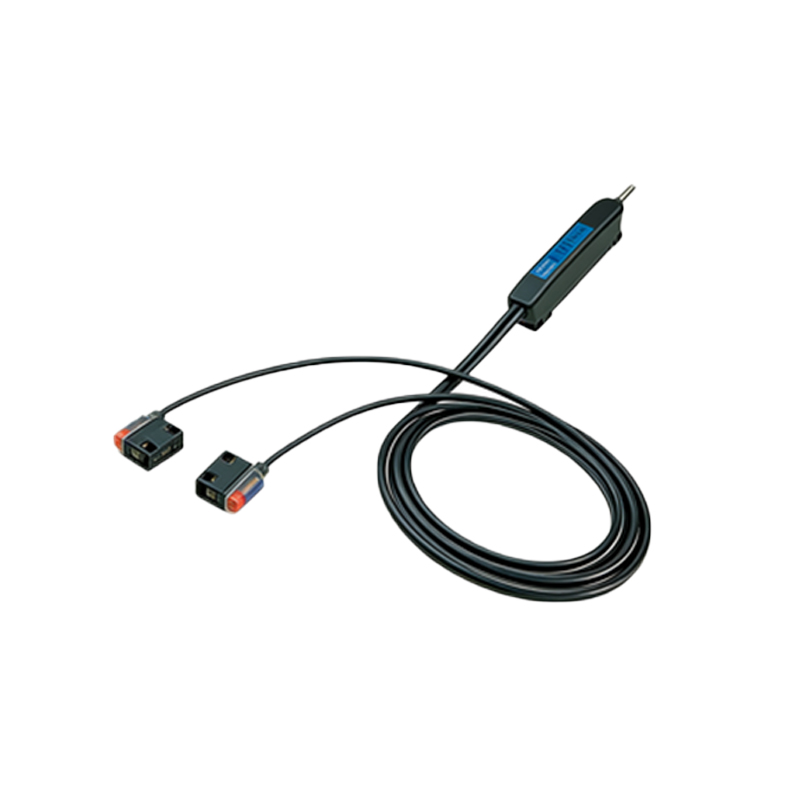
A compelling thesis moves beyond textbook explanations to address a specific, well-defined research gap or a novel application. Your literature review must be comprehensive, identifying current challenges in photoelectric sensor technology. These could include limitations in sensing highly reflective or transparent objects, performance degradation in harsh environments (dust, steam, extreme temperatures), or the need for higher precision and miniaturization. Based on this review, formulate a clear hypothesis or objective. For instance, your thesis might investigate: "Developing a signal processing algorithm to enhance the reliability of diffuse sensors on low-contrast surfaces," or "Designing a compact, fiber-optic based photoelectric sensor for high-temperature automotive assembly lines." A precise research question gives your entire project direction and academic merit.
Designing and Documenting the Experimental Methodology
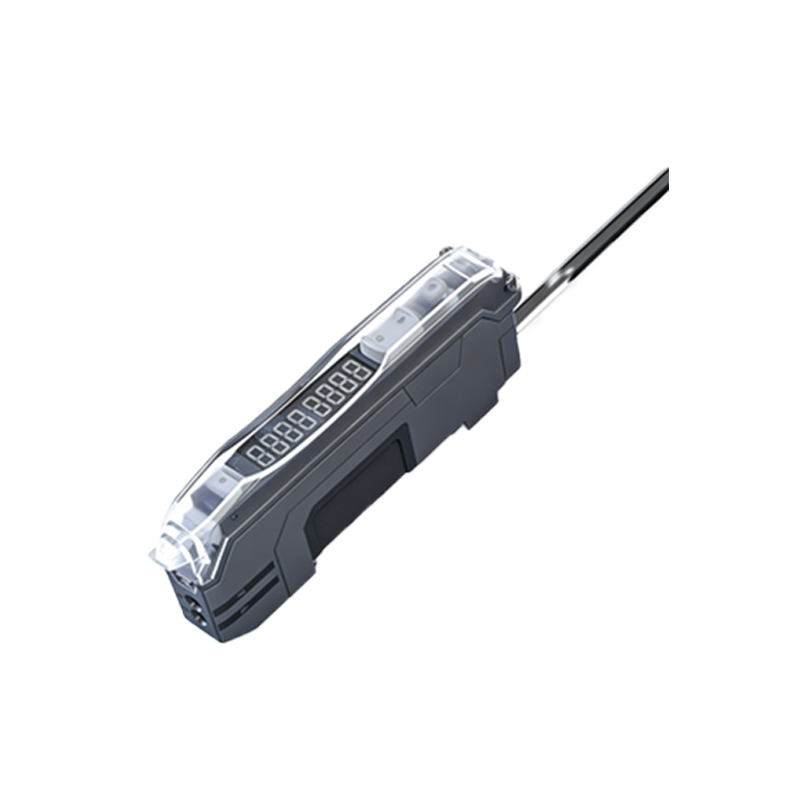
This section is the blueprint of your research. Describe your experimental setup with exacting detail. Specify the models of photoelectric sensors used, the characteristics of the light source (wavelength, intensity), and the specifications of the receiver circuit. Include detailed schematics of any custom electronic circuitry you designed for signal conditioning, amplification, or noise reduction. The test environment must be characterized—ambient light conditions, temperature, and potential sources of interference. Define your variables: independent variables (e.g., target distance, surface color, ambient light intensity) and dependent variables (e.g., output voltage, response time, error rate). Outline the step-by-step procedure for data collection, ensuring it is repeatable. This rigorous documentation is crucial for validation and peer review.
Conducting Data Analysis and Interpreting Results
Present your collected data using clear tables, graphs, and charts. Use appropriate analytical tools; for example, plot response curves, calculate signal-to-noise ratios, or perform statistical analysis like regression to model the relationship between sensing distance and output signal strength. Do not just present raw data—interpret it. Explain what each graph signifies. Does the sensor performance deviate from theoretical expectations under certain conditions? Why might that be? Compare your results directly with the findings from your literature review. If your research involved developing a new algorithm or design, quantify its improvement over existing methods (e.g., "a 15% increase in detection accuracy for matte black objects"). Address any anomalies or unexpected results thoughtfully, as this demonstrates critical analytical skills.
Structuring the Thesis and Adhering to Academic Standards
A professional structure is paramount. Follow a standard format: Abstract, Introduction, Literature Review, Methodology, Results & Analysis, Discussion, Conclusion, and References. The abstract must concisely summarize the problem, method, key results, and conclusion. The introduction should establish the context, importance, and your specific thesis statement. Throughout the writing, maintain a formal, objective tone. All figures and tables must be numbered, captioned, and referenced in the text. Cite all sources meticulously using a consistent citation style (e.g., IEEE, APA). Pay extreme attention to grammar, clarity, and technical accuracy. Proofread repeatedly to eliminate errors, as they undermine the credibility of your technical work.
Discussing Implications and Proposing Future Work
The discussion and conclusion chapters elevate your thesis from a report to a contribution. Synthesize your findings to answer your original research question. Discuss the practical implications of your work for the field of industrial automation, robotics, or quality control. Be honest about the limitations of your study—was the sample size small? Were the tests conducted only in a lab setting? These limitations naturally lead to proposals for future research. Suggest specific, logical next steps, such as testing the sensor prototype in a real-world factory environment, exploring different wavelengths of light for specific materials, or integrating the sensor with an IoT platform for predictive maintenance. This forward-looking perspective shows the ongoing relevance of your research.