Introduction to Photoelectric Sensors
Photoelectric sensors are indispensable components in modern industrial automation, renowned for their non-contact detection capabilities. These devices operate by emitting a beam of light, typically from an LED or laser diode, and detecting changes in the received light intensity caused by the presence or absence of a target object. The core principle hinges on the interaction between light and matter, allowing for precise sensing of objects regardless of material composition—be it metallic, plastic, glass, or liquid—provided the surface interacts with the light beam. Their versatility enables applications ranging from object detection on conveyor belts and position sensing in machinery to complex tasks like counting, sorting, and even quality inspection in high-speed production lines. The fundamental advantage lies in their ability to perform reliably without physical contact, thereby minimizing wear and tear and enabling detection of fragile or sensitive items.
Core Internal Components
The construction of a standard photoelectric sensor is a sophisticated integration of optical and electronic elements housed within a durable, often sealed, casing. The primary internal components include the light emitter, the light receiver, and the signal processing circuitry. The emitter is typically a light-emitting diode (LED) that generates the sensing beam; common types are red visible LEDs, infrared LEDs, or laser diodes for highly focused applications. The receiver is usually a phototransistor or photodiode, which converts the incoming light intensity into a proportional electrical current. These two elements are precisely aligned within the sensor housing. The electronic circuitry, often based on a microcontroller or dedicated IC, powers the emitter, amplifies the weak signal from the receiver, and processes it to produce a clear, stable digital output signal (e.g., PNP/NPN transistor switch). Additional components may include lenses to collimate or focus the light beam, filters to reject ambient light interference, and protective windows made of materials like glass or polycarbonate.
Emitter and Receiver Configurations
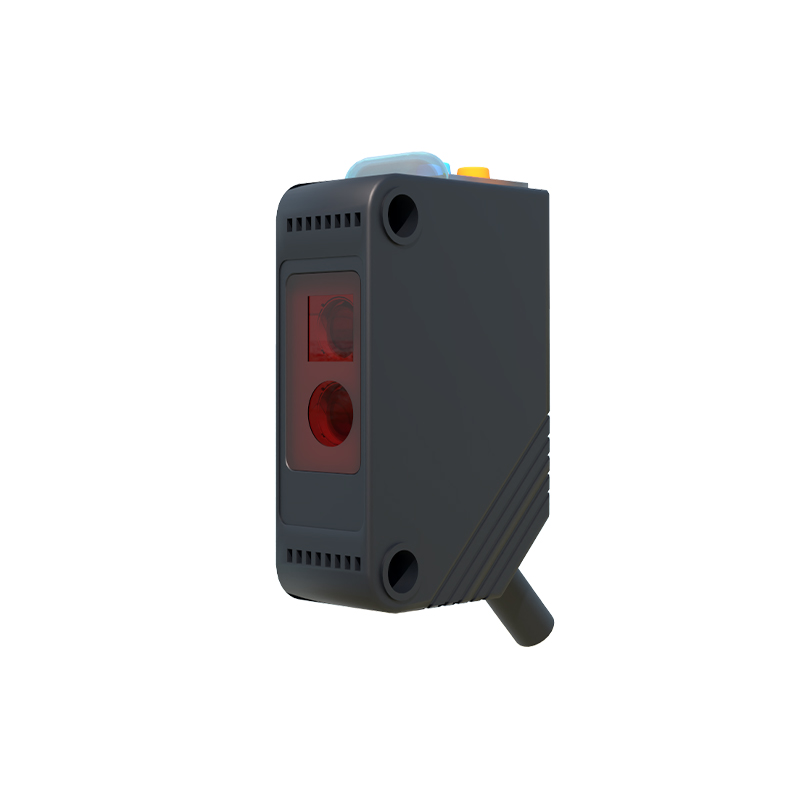
The physical arrangement of the emitter and receiver defines the sensor's operating mode and its suitability for specific applications. There are three primary configurations. The through-beam (or opposed) mode features separate, opposing units for the emitter and receiver. This setup offers the longest sensing range and highest reliability, as the receiver directly detects the beam from the emitter; an object is sensed when it breaks this beam. The retro-reflective mode combines the emitter and receiver in a single housing. It uses a specialized reflector (corner-cube reflector) to bounce the emitted light back to the receiver. An object is detected when it interrupts this reflected beam. This mode provides a good sensing range with simpler wiring than through-beam. Finally, the diffuse (or proximity) mode also houses both elements together but relies on light reflecting directly off the target object's surface. Detection occurs when enough scattered light returns to the receiver. This mode is compact and allows for easy installation but is more susceptible to variations in the target's color, texture, and distance.
Optical System and Housing Design
The optical path design is critical for performance. Lenses are employed to shape the light beam. A collimating lens in the emitter creates a parallel, coherent beam for long-range and precise detection, while a focusing lens can concentrate the beam into a small spot for detecting very small objects. The receiver lens collects the returning light efficiently onto the photodetector's active area. The housing material, typically metal or high-grade engineering plastic, provides mechanical strength, environmental protection (against dust, water—often rated IP67 or higher), and electromagnetic shielding. The design also incorporates features for easy mounting, alignment aids like visible red beams or alignment indicators, and connection terminals for power and output signals. For harsh environments, housings may be made of stainless steel and include special coatings to resist chemicals, oils, or extreme temperatures.
Signal Processing and Output Types
Once the receiver generates a minute photocurrent, sophisticated signal processing takes over. The circuitry first amplifies this analog signal. A key function is background suppression or modulation/demodulation. Many sensors use a pulsed, modulated light beam (often at a specific frequency) for the emitter. The receiver's circuitry is tuned to this same frequency, effectively filtering out constant ambient light (like sunlight or room lighting) and only amplifying the signal from the sensor's own beam. This dramatically improves stability and noise immunity. After amplification and filtering, a comparator circuit evaluates the signal level against a user-set threshold (often adjustable via a potentiometer or teach-in function). When the condition is met (light beam blocked or received), the output stage is triggered. Common output types include digital switching outputs (NPN sinking, PNP sourcing, or push-pull), analog current (4-20 mA) or voltage (0-10V) outputs proportional to distance or light intensity, and serial communication interfaces (IO-Link) for advanced diagnostics and parameter setting.
Advanced Features and Specialized Types
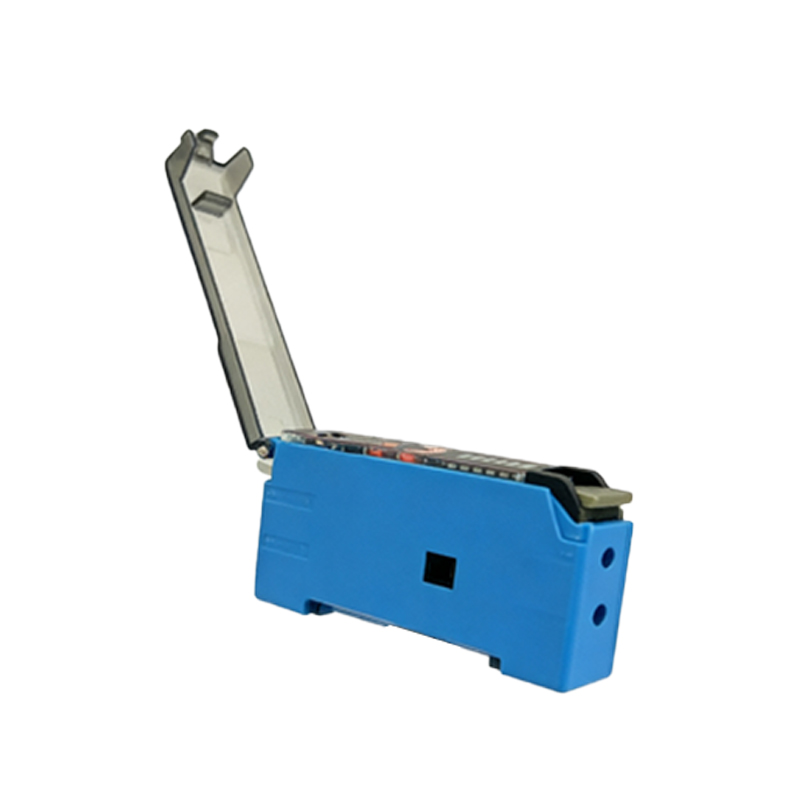
Modern photoelectric sensors incorporate advanced features to solve complex sensing challenges. Background suppression sensors, a subtype of diffuse sensors, use triangulation principles to detect objects only within a defined "window," ignoring objects and surfaces beyond a set distance. This is crucial for detecting objects on a conveyor belt while ignoring the belt itself or a background wall. Color sensors use multiple receivers with different optical filters to distinguish colors based on reflected wavelength. Contrast sensors are optimized to detect minute differences in grayscale or contrast, ideal for mark detection on packaging. Luminescence sensors detect the presence of materials (like adhesives or security features) that fluoresce under UV light. Fiber optic photoelectric sensors separate the amplifier unit from the sensing point via flexible light guides, allowing sensing in extremely hot, cold, or space-constrained locations. Laser-based sensors provide exceptionally small, precise beam spots for high-accuracy positioning and detection of tiny components.
Application Considerations and Selection Criteria
Selecting the correct photoelectric sensor requires careful analysis of the application parameters. Key factors include the sensing range required, the size, color, and material of the target object, the required response speed and switching frequency, the environmental conditions (presence of dust, fog, steam, ambient light, temperature extremes, or washdown requirements), and the desired output signal type. For example, a clear glass bottle on a fast filler line might require a through-beam sensor with a focused beam, while detecting a black rubber gasket in a bin might need a diffuse sensor with powerful background suppression. Installation considerations involve ensuring proper alignment, avoiding optical interference from reflective surfaces nearby, and selecting a housing material and ingress protection rating suitable for the operational environment. Regular maintenance, primarily keeping the optical windows clean and checking alignment, is essential for long-term, trouble-free operation.