Introduction to Modern Proximity Sensing Technology
Proximity sensors have evolved significantly, transitioning from basic inductive models to sophisticated devices incorporating capacitive, ultrasonic, and photoelectric technologies. These sensors are pivotal in industrial automation, enabling non-contact detection of objects with high precision and reliability. The latest advancements focus on enhancing sensing ranges, improving immunity to environmental interference, and integrating smart features like IO-Link communication for predictive maintenance and data analytics. As industries embrace Industry 4.0, the demand for robust, adaptable, and intelligent proximity sensors has surged, making the choice of manufacturer critical for operational efficiency and system integration.
Key Criteria for Evaluating Proximity Sensor Manufacturers
Selecting the right manufacturer hinges on several technical and commercial factors. Performance specifications, such as sensing distance, repeat accuracy, response time, and operating temperature range, are fundamental. For instance, high-end sensors now offer sub-millisecond response times and extended ranges up to 120mm for inductive types. Durability is another vital aspect, with top-tier products featuring robust housing materials like stainless steel or PBT plastic, along with high IP ratings (e.g., IP67 or IP69K) for resistance to dust, water, and chemicals. Additionally, manufacturers must provide comprehensive support, including detailed documentation, customization options, and global availability to ensure seamless deployment in diverse applications, from automotive assembly lines to food processing plants.
Leading Manufacturers in the Proximity Sensor Market
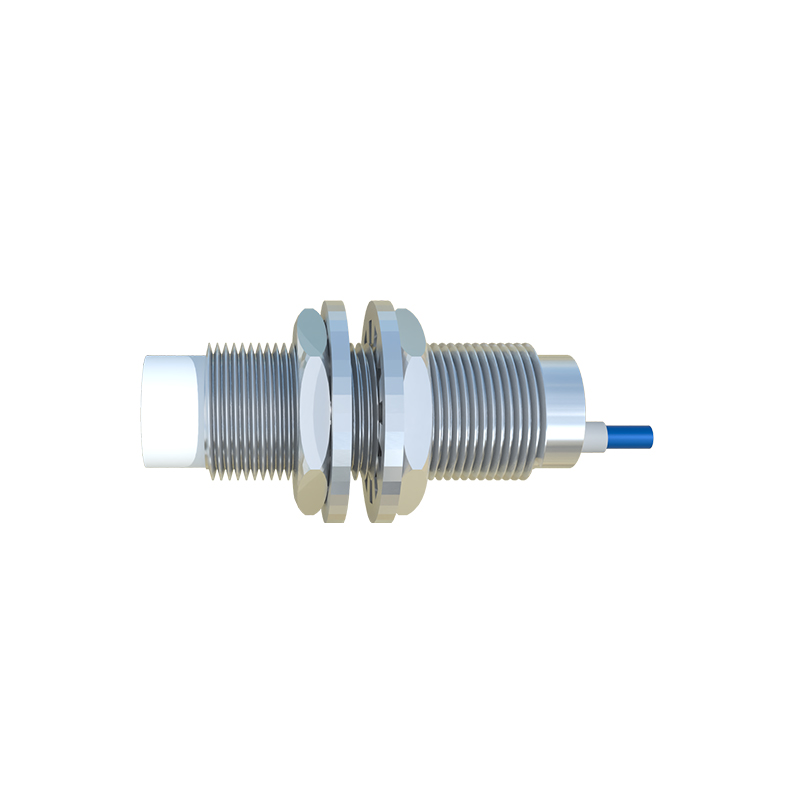
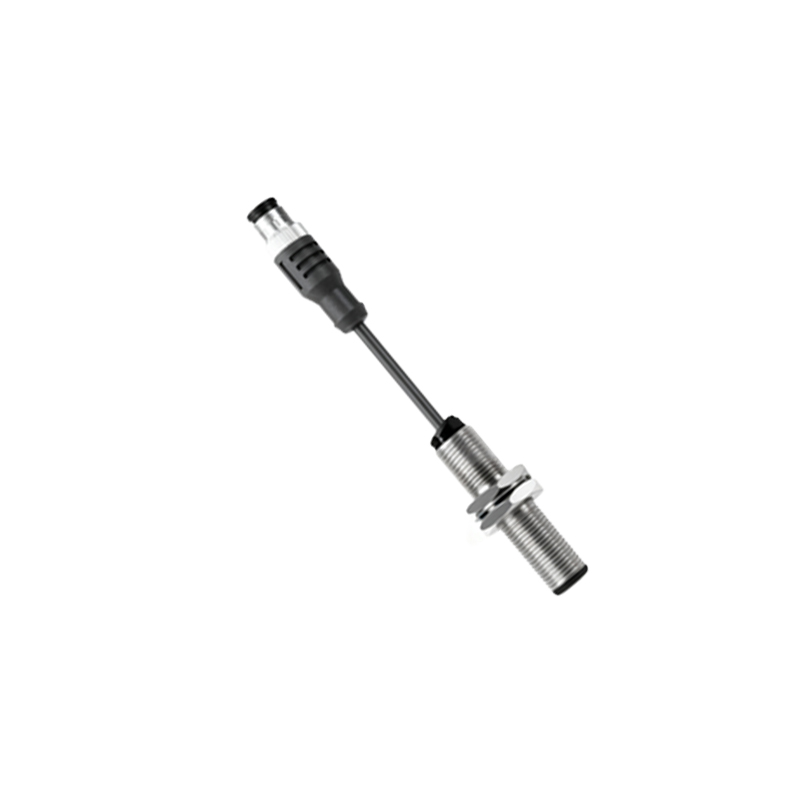
Several established companies dominate the proximity sensor landscape, each with distinct strengths. Siemens, a German industrial giant, is renowned for its SIMATIC series, which offers exceptional reliability and seamless integration into PLC-based automation systems. Their sensors often include advanced diagnostics and compatibility with PROFINET networks. Omron, a Japanese leader, excels in innovative designs, such as the E2E series, known for ultra-compact sizes and high noise immunity. In North America, Rockwell Automation provides Allen-Bradley sensors that are favored for ruggedness and easy configuration through software tools like Studio 5000. Meanwhile, Pepperl+Fuchs stands out for specialized solutions, including hazardous area sensors with ATEX certifications, making them ideal for oil and gas or mining sectors. Emerging players like Balluff also gain traction with modular designs and strong IO-Link capabilities.
Innovations Driving the Next Generation of Sensors
Recent innovations are reshaping what proximity sensors can achieve. Smart sensors with embedded IO-Link interfaces allow for parameter adjustment, condition monitoring, and real-time data transmission, reducing downtime and enabling predictive maintenance. For example, some models can self-diagnose wear or contamination, alerting operators before failures occur. Another trend is the development of multi-technology sensors that combine inductive, capacitive, and photoelectric principles in a single unit, offering versatility in detecting various materials, from metals to liquids and transparent objects. Energy efficiency has also improved, with low-power designs extending battery life in wireless applications. Furthermore, miniaturization continues, with sensors now as small as M5 threads, fitting into tight spaces without compromising performance.
Application-Specific Recommendations for Selection
Choosing the best manufacturer depends heavily on the application context. In automotive manufacturing, where precision and speed are paramount, Siemens or Omron sensors are often preferred due to their high repeatability and fast response. For harsh environments, such as washdown areas in food processing, Pepperl+Fuchs sensors with high IP ratings and corrosion-resistant materials prove invaluable. In logistics and packaging, photoelectric proximity sensors from Keyence offer superior detection of non-metallic items, while Balluff’s IO-Link sensors facilitate data collection for warehouse automation. For cost-sensitive projects without sacrificing quality, Taiwanese brands like Autonics provide reliable alternatives with competitive pricing. Ultimately, engineers should conduct trials under real operating conditions, considering factors like electromagnetic interference, mounting constraints, and long-term maintenance needs.
Future Outlook and Industry Trends
The future of proximity sensors is intertwined with digitalization and sustainability. As IoT adoption grows, sensors will increasingly feature wireless connectivity and edge computing capabilities, enabling decentralized decision-making. Manufacturers are investing in eco-friendly designs, using recyclable materials and reducing power consumption to align with green initiatives. Standardization efforts, such as the widespread adoption of IO-Link, will simplify integration across different brands, promoting interoperability. Additionally, AI-driven analytics may soon be embedded directly into sensors, allowing for adaptive behavior based on machine learning algorithms. Companies that prioritize R&D in these areas, like Siemens and Omron, are likely to lead the market, offering solutions that not only detect objects but also contribute to smarter, more efficient industrial ecosystems.