Introduction to Proximity Switch Sensors in Heavy Machinery
Proximity switch sensors are critical components in modern construction equipment, particularly in SANY concrete pump trucks. These non-contact sensors detect the presence or absence of objects without physical interaction, ensuring seamless operation in harsh environments. In SANY pump trucks, they play a vital role in monitoring boom movements, valve positions, and safety mechanisms. By leveraging electromagnetic or capacitive principles, these sensors provide real-time feedback to the control system, enabling precise control over concrete flow and pump operations. Their robustness against dust, moisture, and vibrations makes them ideal for construction sites, where reliability is paramount.
Technical Specifications and Working Principles
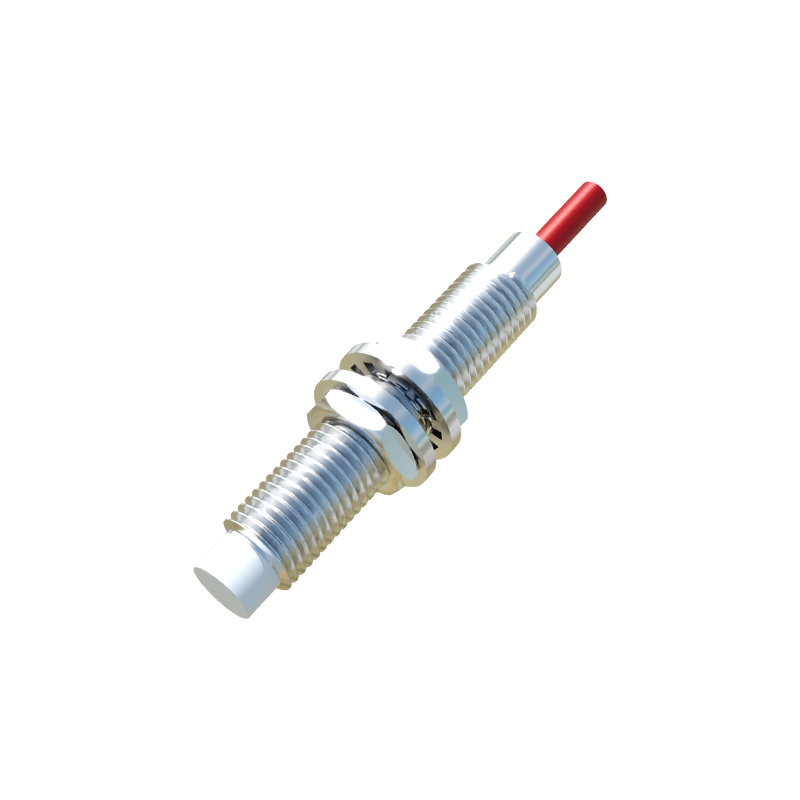
SANY pump trucks typically employ inductive proximity sensors, which generate an electromagnetic field to detect metallic targets. When a metal object, such as a boom joint or valve component, enters the sensing range, it alters the field, triggering a switch signal. These sensors operate at voltages ranging from 10V to 30V DC, with sensing distances up to 15mm, depending on the application. Key features include high switching frequencies, allowing rapid response times, and IP67 or higher ingress protection ratings to withstand water and debris. The sensors interface with programmable logic controllers (PLCs) in the truck’s hydraulic system, automating sequences like boom extension or concrete pumping cycles.
Applications in SANY Concrete Pump Trucks
In SANY pump trucks, proximity sensors are strategically installed for multiple functions. They monitor the boom’s angular position, ensuring safe and accurate placement during concrete pouring. Sensors on hydraulic valves detect spool positions, optimizing flow control and reducing energy consumption. Additionally, they serve as safety interlocks, preventing operation if access panels are open or components are misaligned. For instance, sensors on the outriggers confirm proper deployment before pumping begins, mitigating tip-over risks. This integration enhances operational efficiency, minimizes downtime, and complies with industry safety standards like ISO 10218 for machinery.
Advantages Over Mechanical Switches
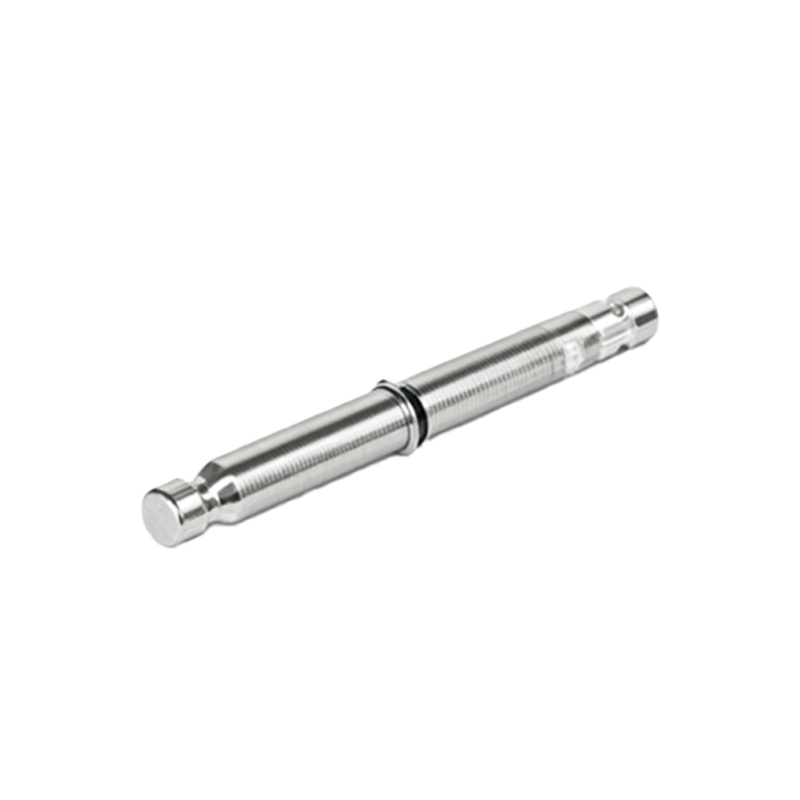
Compared to traditional mechanical limit switches, proximity sensors offer significant benefits in SANY pump trucks. Their non-contact design eliminates wear and tear from physical impact, extending service life in high-cycle applications. They are less susceptible to contamination from concrete slurry or grease, reducing maintenance needs. With no moving parts, they provide consistent performance under vibration, a common issue in mobile construction equipment. Moreover, their solid-state construction allows for faster signal processing, improving the truck’s responsiveness during complex maneuvers. These advantages translate to lower operational costs and higher uptime on job sites.
Installation and Calibration Best Practices
Proper installation is crucial for optimal sensor performance. In SANY pump trucks, sensors should be mounted securely to avoid misalignment from vibrations, using brackets that resist corrosion. The sensing face must maintain a consistent gap from the target, typically within 80% of the rated distance, to ensure reliable detection. Calibration involves adjusting the sensitivity via potentiometers or software settings, aligning with the truck’s control parameters. Regular testing with a multimeter or diagnostic tool verifies signal integrity. Technicians should follow SANY’s service manuals, which specify torque values and environmental precautions to prevent damage from overheating or electrical interference.
Common Issues and Troubleshooting Tips
Despite their durability, proximity sensors in SANY pump trucks may encounter issues. False triggers can result from metal debris near the sensing area, requiring cleaning of the boom or valve assemblies. Signal loss might indicate wiring faults, such as broken cables in flexible hose lines, necessitating insulation checks. Environmental factors like extreme temperatures can affect performance; selecting sensors with extended temperature ranges (-25°C to 70°C) mitigates this. Diagnostic steps include checking power supply stability, inspecting for physical damage, and using oscilloscopes to analyze output waveforms. Preventive maintenance, such as periodic sensor testing during service intervals, helps avoid unexpected failures.
Future Trends and Innovations
The evolution of proximity sensors in SANY pump trucks aligns with Industry 4.0 trends. Future models may incorporate IoT-enabled sensors with wireless connectivity, allowing remote monitoring of pump conditions via cloud platforms. Advances in materials could lead to more compact designs with longer sensing ranges, enhancing integration in tight spaces. Smart sensors with self-diagnostic capabilities might predict failures by analyzing usage patterns, reducing unplanned downtime. Additionally, compatibility with electric pump trucks could drive demand for energy-efficient sensors that support sustainable construction practices. These innovations will further elevate the precision and safety of SANY’s equipment portfolio.
Conclusion: Impact on Construction Efficiency
Proximity switch sensors