Understanding Thread Pitch in M18 Proximity Sensors
The M18 housing is one of the most prevalent form factors in industrial proximity sensing. A critical, yet sometimes overlooked, specification of this cylindrical housing is its thread pitch. The thread pitch defines the distance between corresponding points on adjacent threads and is fundamental for proper mechanical installation. For an M18 sensor, the "M" denotes a metric thread, and "18" specifies the major diameter in millimeters. However, the diameter alone does not define the thread; the pitch is equally essential. An incorrect pitch will prevent the sensor from screwing into the mounting hole, leading to installation failures, potential damage to the threads, and compromised process integrity. Understanding this specification is the first step in ensuring a reliable and secure mounting solution in control panels, machinery, and automated systems.
Standard M18 Thread Pitch: The Common Industry Standard
The overwhelmingly standard and default thread pitch for an M18 cylindrical proximity sensor is 1.5 mm. This means the sensor is threaded as M18 x 1.5. This specification is consistent across a vast majority of global manufacturers and is considered the industry norm. When a datasheet or catalog listing simply states "M18," it is implicitly understood to have a 1.5 mm pitch. This standardization ensures interoperability, allowing sensors from different vendors like Siemens, Omron, Pepperl+Fuchs, or Balluff to be mounted into standard M18 x 1.5 mounting holes or locknuts. Designers of control cabinets and machine frames typically tap holes to this specification, making M18 x 1.5 sensors a universal plug-and-play component in industrial automation.
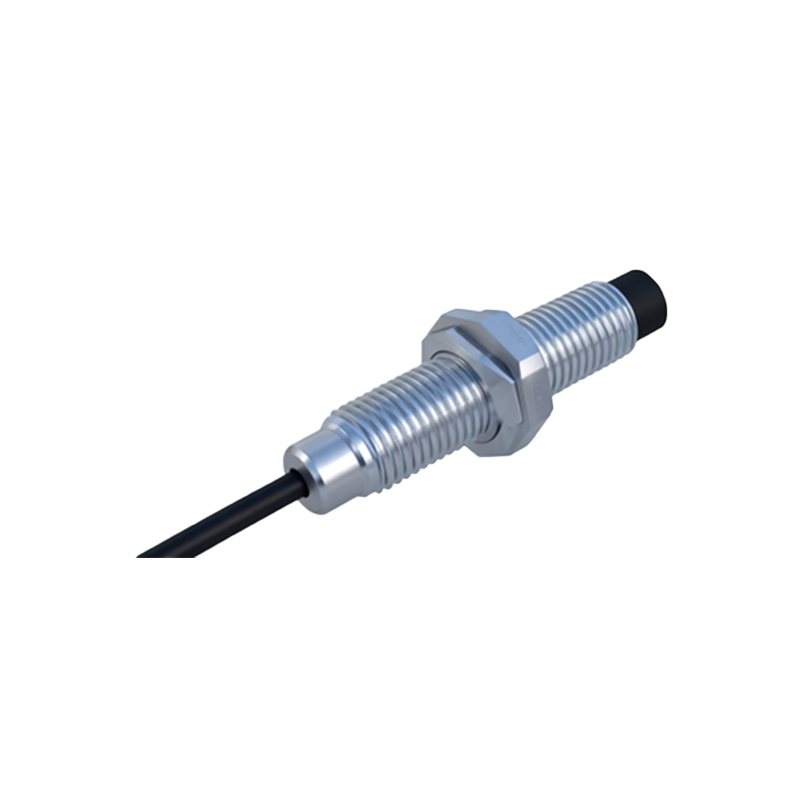
Alternative and Specialized Thread Pitches
While M18 x 1.5 is the standard, alternative thread pitches exist to meet specific regional or application requirements. The most notable alternative is the M18 x 1.0 fine thread. This finer pitch is sometimes preferred in applications where a higher number of threads per unit length is beneficial for adjustment precision or for creating a tighter seal. It is crucial to note that an M18 x 1.0 sensor will not fit into an M18 x 1.5 tapped hole, and vice versa. Attempting to force it can strip the threads. Other less common variants might include M18 x 2.0, but these are rare. Always verify the thread pitch marking on the sensor's housing or its packaging, which is usually stamped as "M18x1.5" or similar. Never assume the pitch based on diameter alone.
How to Identify and Measure Thread Pitch
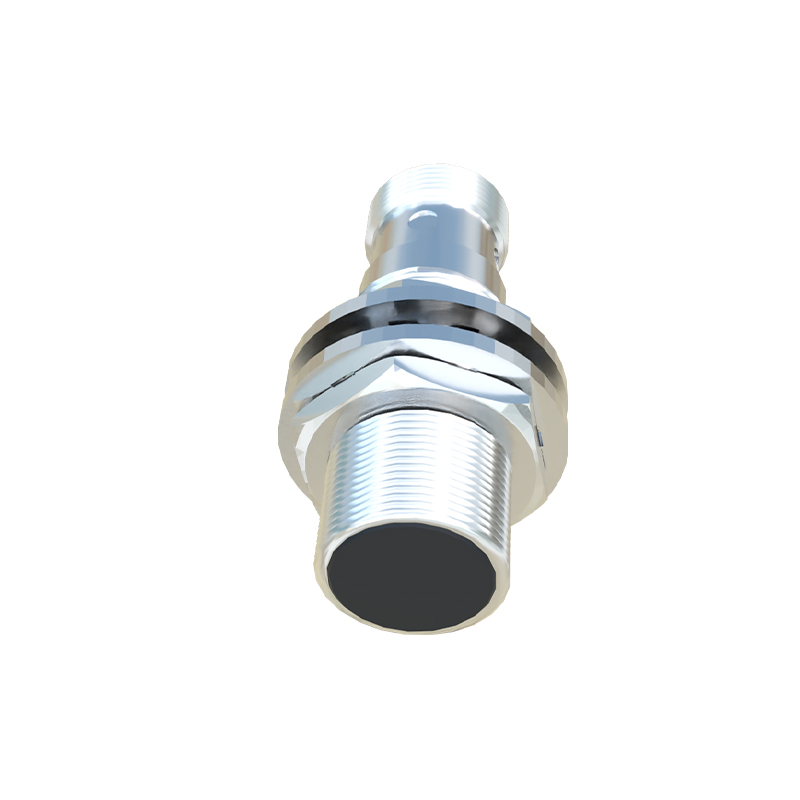
If the thread specification is not clearly marked, technicians can identify the pitch using simple tools. The most straightforward method is to use a metric thread pitch gauge. By matching the gauge's teeth with the sensor's threads, you can quickly determine if it is 1.5 mm or 1.0 mm. Alternatively, you can use a precision caliper. Measure the distance from the peak of one thread to the peak of the next adjacent thread; this direct measurement is the pitch. For higher accuracy, measure the length across 10 threads and divide by 10. This practice helps avoid errors from worn threads or measurement inaccuracies on a single pitch. Visual inspection can also offer clues: an M18 x 1.0 thread will appear noticeably finer, with threads closer together, compared to the standard 1.5 mm pitch.
Importance of Correct Thread Pitch for Installation
Selecting the correct thread pitch is paramount for a successful installation. Using a sensor with a mismatched pitch can have several negative consequences. Cross-threading is the primary risk, which damages both the sensor threads and the host material's tapped hole, leading to costly repairs. Even if partially engaged, an incorrect pitch creates a weak mechanical connection, making the sensor vulnerable to vibration loosening, which can alter sensing distance or cause complete failure. Furthermore, in environments requiring ingress protection (e.g., IP67), an improper thread engagement will compromise the seal, allowing dust and moisture to penetrate. Always confirm the thread pitch of both the sensor and the mounting location before installation to ensure mechanical robustness and environmental sealing.
Selection Criteria Beyond Thread Pitch
While thread pitch is a key mechanical specification, selecting an M18 proximity sensor involves several other critical parameters. Engineers must also consider the sensing technology (inductive, capacitive, or magnetic), sensing distance (e.g., 5mm, 8mm), output type (PNP/NPN, NO/NC), supply voltage (10-30V DC, etc.), and housing material (nickel-plated brass, stainless steel). The thread pitch ensures it fits the hole, but these