Introduction to Photoelectric Sensing Technology
Photoelectric sensors are ubiquitous in industrial automation, serving as the eyes of modern manufacturing and process control systems. These devices operate by emitting a beam of light, typically from an LED or laser diode, and detecting changes in the received light signal caused by the presence, absence, or characteristics of a target object. The fundamental principle relies on the photoelectric effect, where light energy is converted into an electrical signal. This technology is categorized mainly into three sensing modes: through-beam, retro-reflective, and diffuse reflective. Each mode offers distinct operational characteristics, making photoelectric sensors adaptable to a vast array of applications, from simple object detection on a conveyor to precise positioning and complex inspection tasks. Their ability to detect objects without physical contact is a primary driver for their widespread adoption across sectors like packaging, material handling, automotive, and food & beverage.
Key Advantages of Photoelectric Sensors
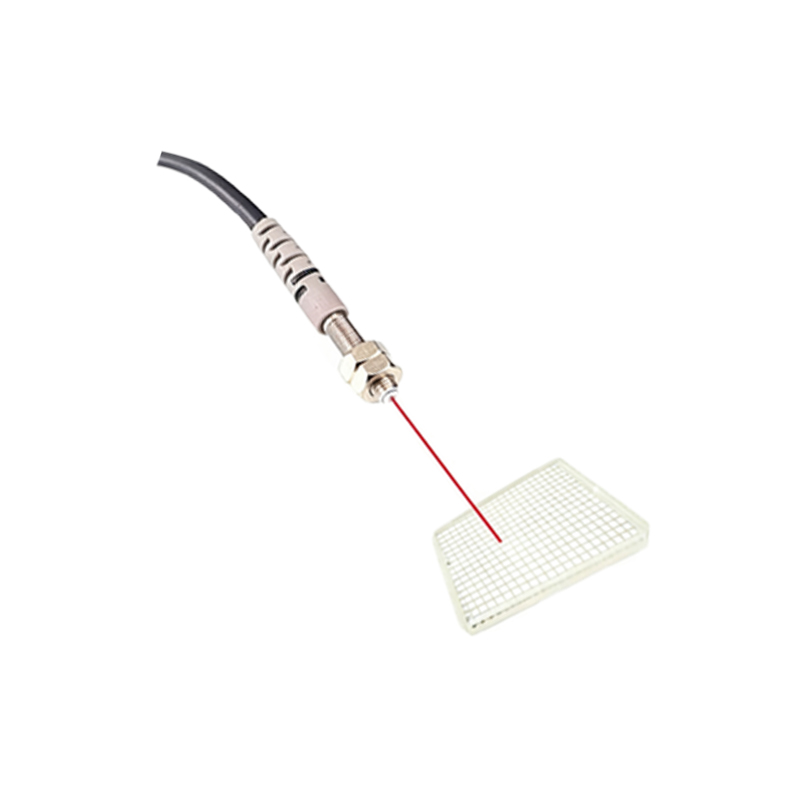
The benefits of photoelectric sensors are numerous, contributing significantly to their dominance in non-contact sensing. First and foremost is their long sensing range. Through-beam sensors can reliably detect objects over distances of tens or even hundreds of meters, far exceeding the capabilities of inductive or capacitive proximity sensors. Second is their versatility. They can detect virtually any material—metal, plastic, wood, glass, or liquid—as long as it affects the light beam. This makes them indispensable for applications involving transparent film, colored labels, or irregularly shaped items. Third, they offer high speed and precision. With response times in the microsecond range and the ability to sense minute objects or detect precise edges, they are critical for high-speed counting, sorting, and positioning. Furthermore, modern photoelectric sensors are highly resistant to environmental factors like electrical noise and vibration, and many feature advanced functionalities such as background suppression, precise focus adjustment (using a laser), and teach-in programming for easy setup.
Inherent Limitations and Challenges
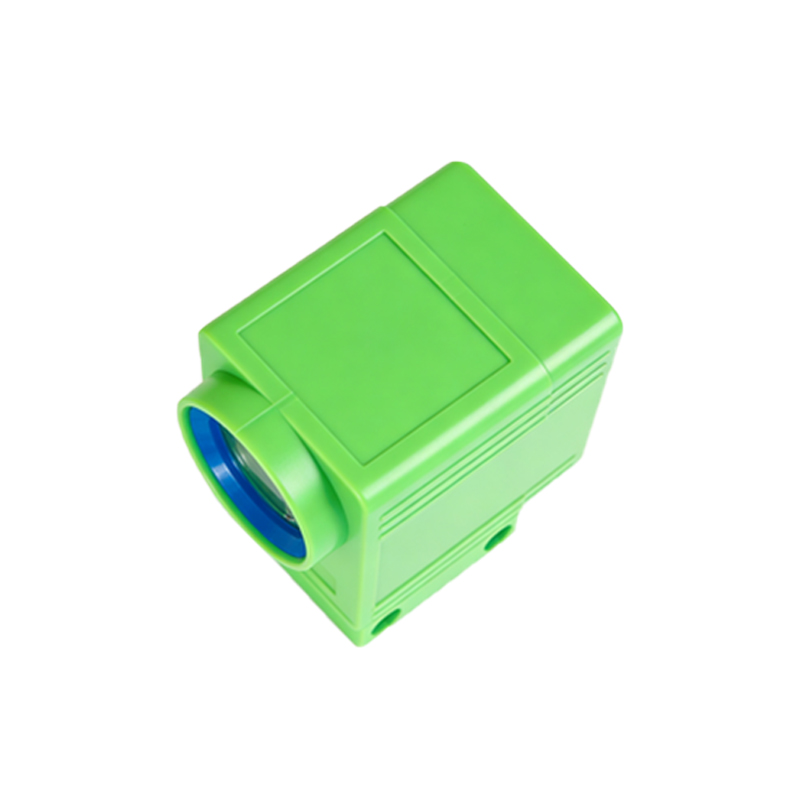
Despite their strengths, photoelectric sensors are not a universal solution and come with specific disadvantages that engineers must account for during system design. A primary challenge is their susceptibility to environmental interference. Dust, fog, steam, and other airborne contaminants can scatter or absorb the light beam, leading to false triggers or detection failures. Similarly, ambient light from sources like sunlight or high-intensity factory lighting can saturate the receiver, especially in diffuse sensor modes. The optical surfaces of the sensor's lens are also prone to contamination from oil, dirt, or debris, which necessitates regular maintenance to ensure reliable operation. Another limitation is the dependency on the target object's surface properties. Highly reflective or transparent objects can pose detection problems; a glossy surface might reflect the beam away from the receiver, while a clear bottle might allow most of the light to pass through undeterred. These scenarios often require careful sensor selection, such as using polarized light for reflective targets or specialized sensors for clear objects.
Comparative Analysis with Other Sensor Types
Understanding where photoelectric sensors excel and where alternatives are preferable is crucial. Compared to inductive proximity sensors, photoelectrics are not limited to metals but are more affected by dirty environments. Inductive sensors are typically more robust in the presence of heavy dust or splash but have very short ranges. Versus capacitive sensors, which can detect non-metals and liquids through barriers, photoelectric sensors offer greater range and precision but cannot "see through" non-transparent containers. Ultrasonic sensors, another non-contact option, perform well in environments with airborne particulates and can detect objects regardless of color or transparency, but they generally have slower response times and can be affected by temperature gradients and soft, sound-absorbing materials. Therefore, the choice is highly application-dependent, often involving a trade-off between sensing distance, environmental robustness, target material, and required speed.
Best Practices for Optimal Implementation
To maximize performance and mitigate the inherent disadvantages, several best practices should be followed. Proper sensor selection is the first step: choose the correct sensing mode (through-beam for longest range and reliability, diffuse for single-unit installation, retro-reflective as a balance) and consider specialized variants like background suppression or fiber optic models for challenging spaces or targets. Environmental protection is key. Selecting sensors with adequate Ingress Protection (IP) ratings for dust and water, using air blow-offs to keep lenses clean, and installing light shrouds or sun hoods to block ambient light are common strategies. Careful mechanical alignment, especially for through-beam and retro-reflective types, is essential for stable operation. Finally, leveraging modern features like adjustable sensitivity, time delays, and programmable logic outputs can help filter out noise and prevent false signals, ensuring the sensor integrates seamlessly into the broader control system.
Future Trends and Technological Advancements
The evolution of photoelectric sensor technology continues to address its traditional weaknesses and expand its capabilities. The integration of IO-Link communication is a significant trend, enabling smart sensors that provide detailed diagnostic data (like lens contamination levels or signal strength) to predictive maintenance systems, thereby reducing unplanned downtime. Advances in laser diode technology are yielding sensors with even finer, more stable beams for ultra-precise detection. Furthermore, the development of sensors with robust algorithms for background evaluation and color recognition is enhancing their ability to handle complex detection tasks previously reserved for vision systems. As Industry 4.0 and the Industrial Internet of Things (IIoT) mature, the role of the intelligent, connected photoelectric sensor as a critical data point on the factory floor will only grow, solidifying its position as a cornerstone of industrial automation.