Introduction to Proximity Switch Sensor SL30
The Proximity Switch Sensor SL30 represents a cornerstone in modern industrial automation, offering reliable non-contact detection for a myriad of applications. As an inductive proximity sensor, the SL30 is engineered to detect metallic objects without physical contact, thereby eliminating mechanical wear and ensuring long-term operational stability. Its robust construction typically features a cylindrical M30 housing, making it suitable for harsh industrial environments characterized by dust, moisture, and mechanical stress. The fundamental operating principle relies on generating an electromagnetic field; when a metallic target enters this field, it induces eddy currents, causing a change in the sensor's oscillation amplitude. This change is processed internally to trigger a solid-state switching output. The SL30 series is renowned for its consistent performance, offering various sensing ranges, output configurations (like NPN or PNP), and connection types to seamlessly integrate into diverse control systems, from simple relay logic to sophisticated PLC networks.
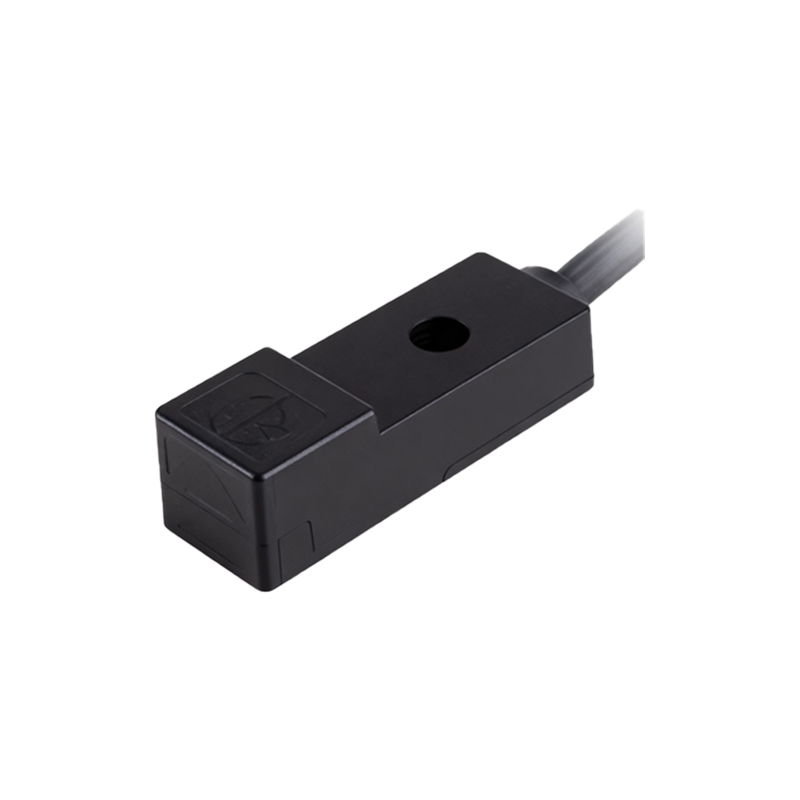
Key Technical Specifications and Design Features

Delving into the technical specifications, the SL30 sensor typically boasts a standard sensing range of 10mm to 15mm for mild steel targets, though this can vary based on the target material and specific model. It operates on a wide DC voltage range, commonly 10-30V DC, ensuring compatibility with standard industrial power supplies. The output is often configured as a 3-wire DC type, providing either a normally-open (NO) or normally-closed (NC) signal. A critical design feature is its embedded protection circuitry, which includes short-circuit protection, reverse polarity protection, and overload protection, safeguarding the sensor against common installation errors and electrical faults. The housing is usually constructed from nickel-plated brass or stainless steel, with sensing faces made of durable PBT or similar plastics. Many models also feature an LED status indicator for visual confirmation of operation and switching state, greatly aiding in setup and troubleshooting.
Installation and Wiring Best Practices
Proper installation is paramount to achieving optimal performance and longevity from the SL30 proximity sensor. Firstly, ensure the mounting location is free from excessive vibration and allows for the recommended lateral and axial clearance from other metal objects to prevent false triggering. The sensor should be mounted securely using appropriate locknuts. When wiring, strictly adhere to the manufacturer's datasheet for the specific model's pinout. For a standard 3-wire DC sensor, the connections are typically: brown wire to positive supply (+V), blue wire to negative supply (0V), and black wire as the switched output load. The load (e.g., a PLC input, relay coil, or indicator lamp) is connected between the black wire and the positive or negative rail, depending on whether it is a PNP (sourcing) or NPN (sinking) output. Always use shielded cables in electrically noisy environments and ground the shield at the controller end only to minimize electromagnetic interference.
Application Scenarios in Industrial Automation
The versatility of the SL30 proximity sensor makes it indispensable across numerous industrial sectors. In automotive manufacturing, it is used for part presence verification on assembly lines, such as detecting engine blocks or wheel hubs. In material handling and packaging, SL30 sensors monitor object positions on conveyors, count products, and control gate operations. Within metalworking and machining centers, they serve as precise limit switches for tool changers, spindle positioning, and workpiece detection. Furthermore, their robust design allows deployment in harsh conditions like welding cells (with weld-field immunity models) or washdown areas in food and beverage processing. The non-contact nature also makes them ideal for high-speed counting applications where mechanical switches would fail due to fatigue, such as in bottling plants or pharmaceutical packaging lines.
Troubleshooting Common Operational Issues
Even with a reliable device like the SL30, occasional issues may arise. A systematic approach to troubleshooting is essential. If the sensor fails to detect a target, first verify the power supply voltage at the sensor terminals is within the specified range. Check the alignment and distance to the target; ensure the target material is ferrous (for standard inductive models) and of adequate size. Inspect the LED indicator: a constantly lit LED may indicate a shorted output or a target permanently within range, while a flashing LED often signals an overload or wiring fault. For erratic operation, investigate potential interference from adjacent sensors, large motors, or variable frequency drives. Increasing the separation distance or using sensors with different operating frequencies can mitigate this. Always consult the sensor's manual for specific error code interpretations and recommended corrective actions before considering replacement.
Advantages Over Mechanical Limit Switches
The SL30 proximity sensor offers several compelling advantages over traditional mechanical limit switches. The most significant is the absence of moving parts and physical contact, which