Introduction to Modern Proximity Sensing
The landscape of industrial automation and smart systems is undergoing a rapid transformation, driven significantly by advancements in proximity sensor technology. These devices, crucial for non-contact detection of objects, are evolving beyond simple presence/absence detection. Today's new generation of proximity sensors offers unprecedented levels of precision, intelligence, and environmental resilience. This article provides a professional ranking and analysis of the leading new proximity sensor technologies that are defining efficiency and safety standards across manufacturing, automotive, robotics, and consumer electronics sectors in 2024.
Evaluation Criteria for the Ranking
This ranking is formulated based on a comprehensive set of technical and commercial parameters critical for industry adoption. Key factors include sensing range and accuracy under various conditions, response speed, environmental robustness (resistance to dust, water, oils, and electromagnetic interference), power consumption, form factor for easy integration, and the sophistication of built-in diagnostics and smart features. The ability to communicate via modern industrial protocols like IO-Link is also a significant advantage. Finally, overall reliability and total cost of ownership are weighed heavily.
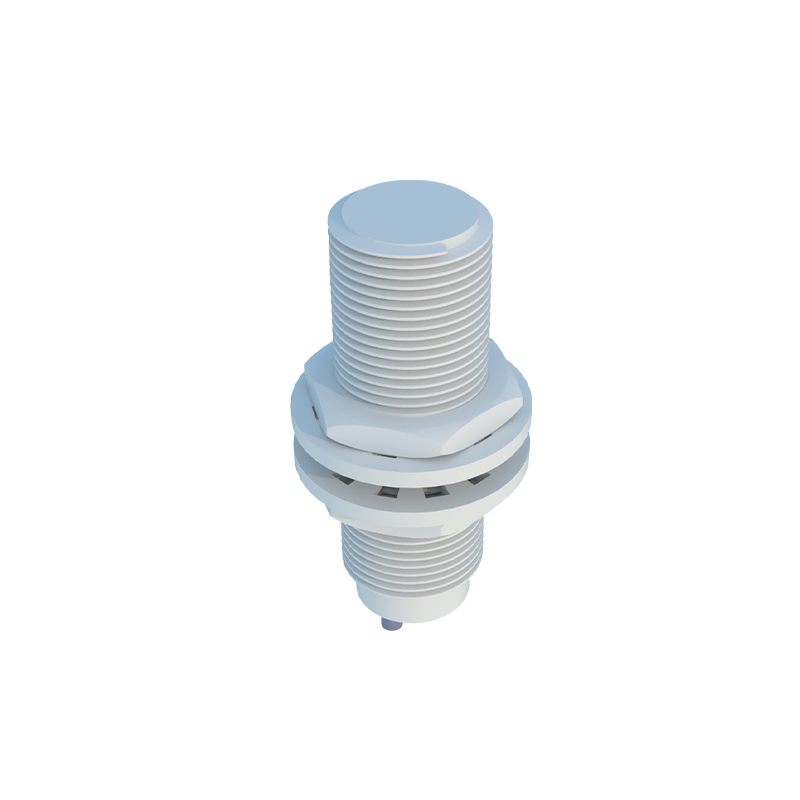
#1: Multi-Parameter IO-Link Inductive Sensors
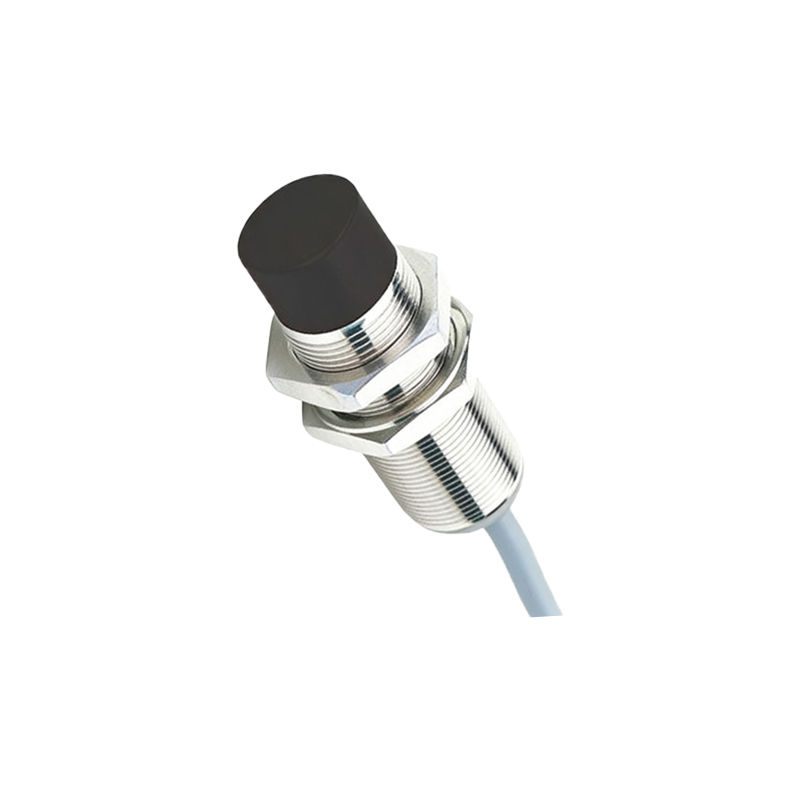
Topping our list are the latest generation of inductive proximity sensors with integrated IO-Link communication. These are not just simple switches; they are intelligent data points on the network. They can monitor and transmit parameters like temperature, switch cycle count, operating voltage, and even the exact distance to the target (analog value) alongside the standard digital output. This enables predictive maintenance, precise process control, and seamless integration into Industry 4.0 frameworks. Their robustness in harsh metallic environments remains unparalleled.
#2: Time-of-Flight (ToF) Distance Sensors
Gaining the second spot for their versatility and accuracy are advanced Time-of-Flight sensors. These sensors emit a light pulse (often laser or VCSEL) and measure the time it takes for the reflection to return, calculating distance with high precision over ranges from a few centimeters to several meters. New models feature improved ambient light immunity, smaller packages, and lower power consumption, making them ideal for robotic navigation, material level sensing, and automated guided vehicles (AGVs).
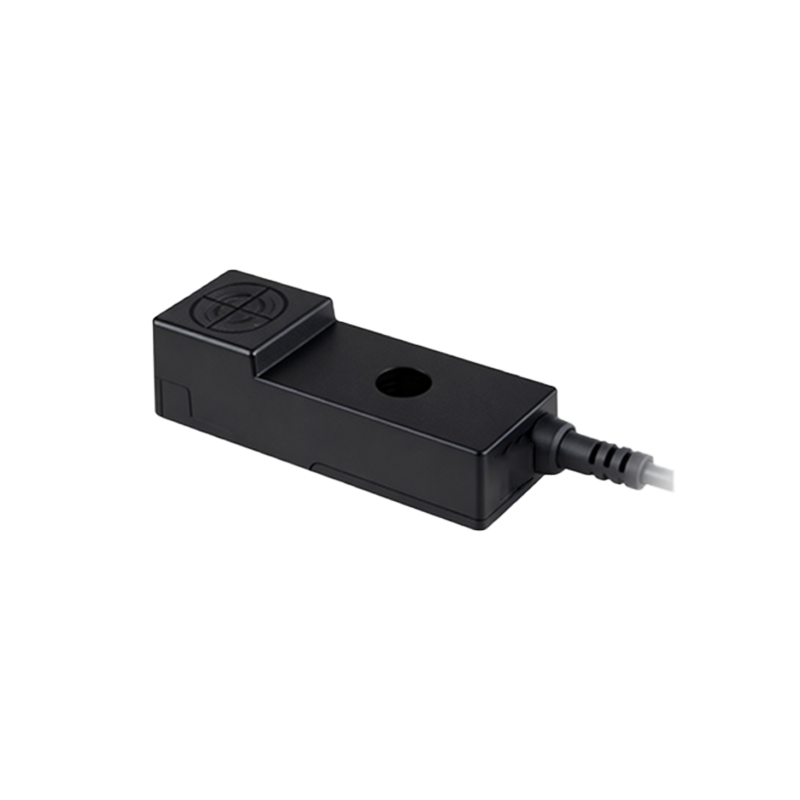
#3: Ultrasonic Sensors with Advanced Echo Processing
Modern ultrasonic sensors secure third place due to major software and hardware enhancements. They excel in detecting objects of virtually any material, color, or transparency, and are effective in challenging environments with dust, fog, or steam. New algorithms for echo processing allow for better object discrimination, ignoring background interference, and providing stable detection even for complex surfaces. They are the go-to solution for bulk material level monitoring and presence detection in dirty industrial settings.
#4: Capacitive Sensors with Material Compensation
Ranked fourth, the newest capacitive proximity sensors have overcome traditional limitations. They now feature sophisticated compensation circuits that minimize the influence of environmental humidity and temperature variations on detection stability. This makes them exceptionally reliable for detecting non-metallic materials like plastics, wood, liquids, and granules through non-metallic container walls, revolutionizing packaging and food & beverage applications.
#5: Miniature & High-Frequency Inductive Sensors
In fifth place are ultra-compact, high-frequency inductive sensors. Their extremely small housing (e.g., M5, M8 threads) allows installation in space-constrained machinery. The high switching frequency (up to 10 kHz or more) enables detection of very small or fast-moving metal parts, such as in high-speed assembly lines, precision stamping, and electronic component manufacturing. Their performance in tight spaces is critical for modern, dense machine designs.
#6: Magnetic Field Sensors (MRE/Hall Effect)
Advanced magnetic field sensors, utilizing Magnetoresistive (MRE) or Hall-effect technology, rank sixth. They offer extremely precise and repeatable detection of permanent magnets or magnetic fields from great distances compared to standard reed switches. They are immune to dirt, non-ferrous chips, and fluids, making them perfect for hydraulic cylinder position feedback, valve position sensing, and safety door monitoring in extremely dirty or wet conditions.
#7: Photoelectric Sensors with Background Suppression
New photoelectric sensors with true background suppression (BGS) technology take the seventh position. Using triangulation principles, they can detect an object at a precise set distance while ignoring any objects or surfaces beyond that point. This is invaluable for reliable detection on conveyor belts, ensuring consistent object positioning, and preventing false triggers from conveyor beds or background machinery.
#8: Long-Range Diffuse Photoelectric Sensors
Eighth place goes to enhanced diffuse reflective sensors with extended sensing ranges