The Challenge of Transparent Object Detection
Detecting transparent materials like plastic films, glass, or clear bottles presents a unique set of challenges for traditional sensing technologies. These materials allow a significant portion of light to pass through, making them nearly invisible to standard through-beam or diffuse-reflective photoelectric sensors. In packaging, printing, and converting industries, the failure to detect the presence or absence of a transparent web can lead to machine jams, product waste, and costly downtime. The core issue lies in the lack of sufficient light reflection or absorption that a sensor can reliably measure. Unlike opaque objects that block or scatter light predictably, transparent films may only cause minor changes in the light's properties, such as refraction or polarization, requiring more sophisticated sensing solutions to achieve consistent and reliable detection.
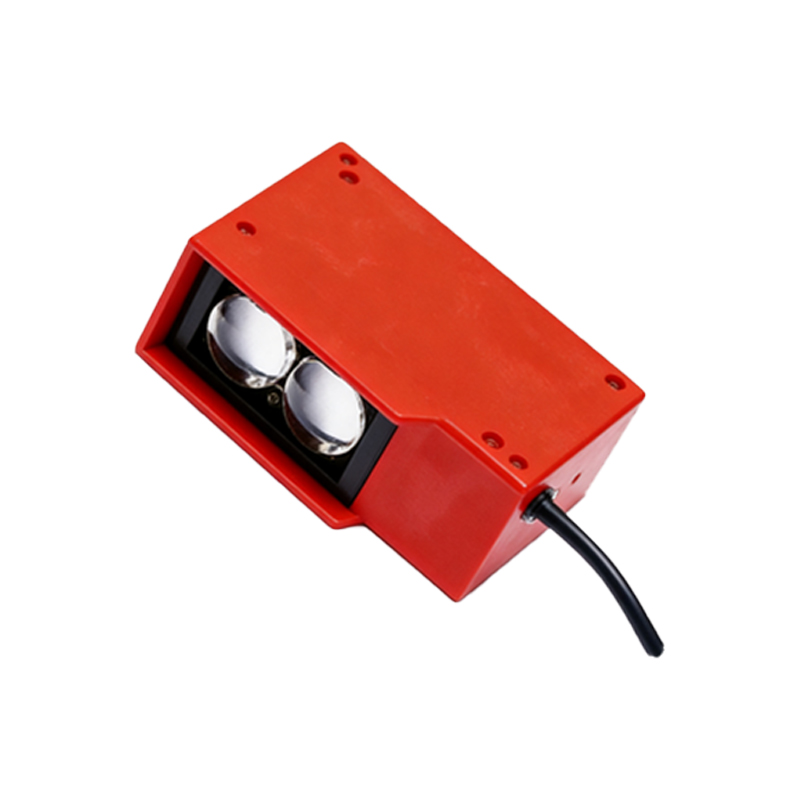
Operating Principle of Specialized Transparent Film Sensors
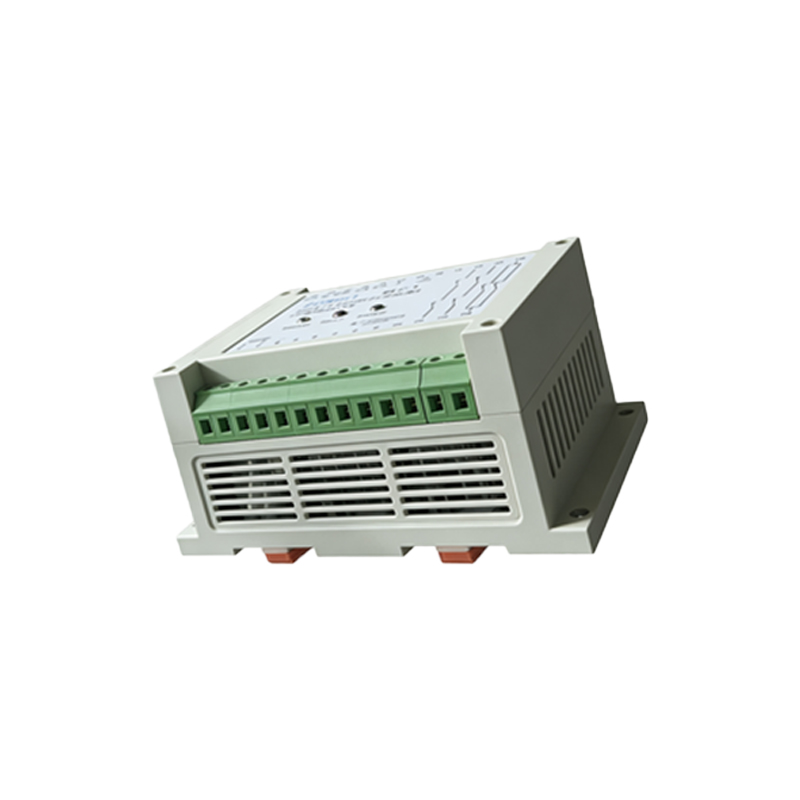
Specialized photoelectric sensors designed for transparent film detection operate on refined principles beyond simple light interruption. The most common and effective type is the polarized retro-reflective sensor. This sensor emits a beam of light towards a specialized retro-reflector. The key innovation is a polarizing filter placed in front of the sensor's receiver. The light emitted is polarized in a specific plane. A standard retro-reflector would depolarize the light upon reflection, allowing it to pass back through the sensor's receiver filter. However, when a transparent film enters the beam path, the film's surface acts as a weak mirror, reflecting a portion of the polarized light back directly to the sensor without passing through the retro-reflector. This "specular reflection" maintains the light's original polarization. The sensor's receiver, tuned to this original polarization, detects this signal, indicating the presence of the film. This method is highly sensitive to the minute reflections from glossy, non-metallic surfaces like polyester or polypropylene films.
Key Sensor Technologies and Selection Criteria
Several photoelectric sensor technologies are employed for this task, each with advantages. Polarized retro-reflective sensors, as described, are the most prevalent for clear film detection. Convergent beam sensors, which focus light on a very precise point, can detect the slight refraction of light caused by a transparent object's edge or surface. Ultrasonic sensors, while not photoelectric, are sometimes used as they detect objects based on sound wave reflection, unaffected by transparency or color. When selecting a sensor, critical factors include the film's thickness, surface gloss (matte vs. glossy), required sensing distance, installation environment (dust, moisture), and the required response speed. For instance, a highly glossy film is ideal for a polarized sensor, while a matte film might require a high-precision convergent beam sensor or an ultrasonic alternative. Sensor mounting angle and alignment are also more critical than with opaque object detection.
Optimization Techniques for Reliable Operation
Achieving stable detection requires careful optimization beyond simply installing the correct sensor type. First, the sensor must be mounted at an optimal angle relative to the film's surface, often determined through experimentation to maximize the specular reflection signal. The use of a stable, high-quality mounting bracket is essential to prevent misalignment from vibration. Second, the sensor's sensitivity must be finely tuned. Using the sensor's teach-in or potentiometer functions, the threshold should be set with the film present and then confirmed with the film absent, ensuring a clear signal differential. Background suppression is crucial; any reflective surfaces behind the film must be minimized or the sensor's background suppression feature activated. Regular maintenance, including lens cleaning to prevent dust buildup that can scatter light, is vital for long-term reliability in industrial settings.
Common Applications in Manufacturing and Packaging
The application of transparent film sensors is widespread across automated industries. In packaging machinery, they verify the presence of a clear shrink film before a product enters the sealing tunnel, preventing seal failures. On printing presses and converting lines, they serve as web break detectors for clear polyester or polypropylene films, triggering an immediate machine stop to prevent material tangles. They are used in bottling plants to confirm the presence of transparent plastic caps or labels. In the semiconductor and electronics industry, these sensors detect the presence of protective clear films on components or panels before processing. Each application demands specific sensor characteristics, such as high-speed response for fast-moving webs or compact size for integration into tight machine spaces.
Troubleshooting and Maintenance Best Practices
Even with proper setup, issues can arise. Intermittent detection failures often point to misalignment due to machine vibration or a change in the film's properties (e.g., a switch from glossy to matte finish). A systematic approach involves checking the alignment with the retro-reflector, verifying the sensitivity settings, and inspecting the lens for contamination. Fluctuations in ambient light, such as from open bay doors, can sometimes affect certain sensors; using models with modulated LED light sources eliminates this interference. For maintenance, establishing a schedule for cleaning optical components and checking mounting hardware integrity is recommended. Keeping a log of sensitivity settings for different materials can drastically reduce changeover times and setup errors during production runs involving various film types.