Introduction to Non-Contact Sensing
In the realm of industrial automation, the ability to detect objects without physical contact is paramount. This is where photoelectric sensors excel. Unlike limit switches or proximity sensors that may require a mechanical touch or rely on metallic properties, photoelectric sensors use light beams to perform detection. This fundamental principle grants them significant advantages in terms of versatility, speed, and reliability. They are indispensable components in packaging, material handling, food and beverage, and automotive assembly lines, enabling precise control and monitoring of processes where contact is either undesirable or impossible.
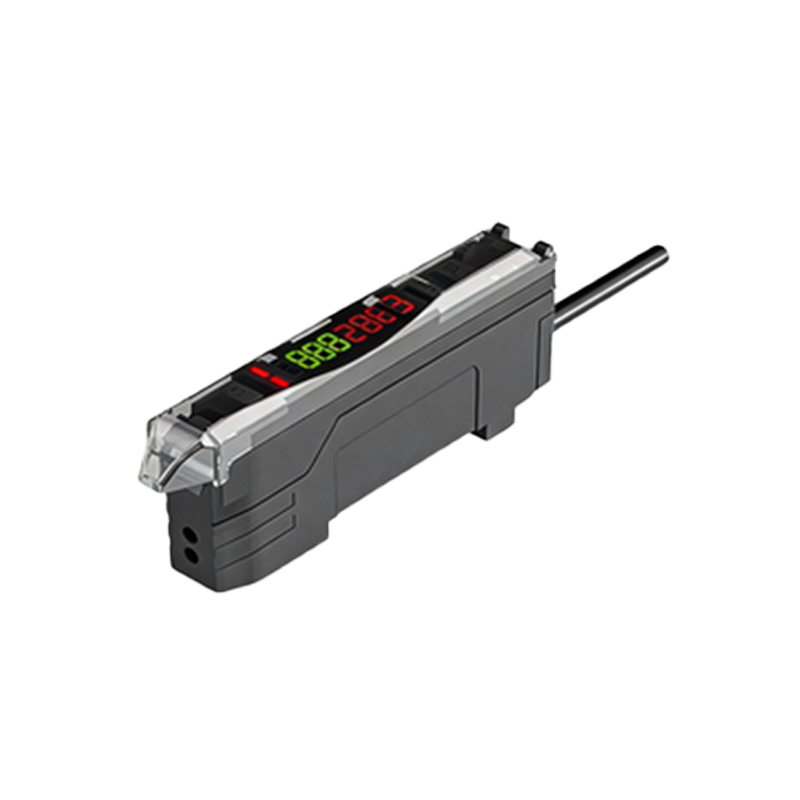
Core Operating Principle
At their heart, photoelectric sensors consist of two main elements: an emitter (light source) and a receiver (photodetector). The emitter projects a beam of light, which is then modulated at a specific frequency. The receiver is tuned to detect this specific modulated light. When an object interrupts or reflects this light beam, it causes a change in the amount of light received. The sensor's internal circuitry processes this change and triggers an output signal. Common light sources include LEDs, with red visible light, infrared, and laser light being the most prevalent types, each chosen for specific applications based on range, precision, and environmental conditions.
Primary Sensing Modes
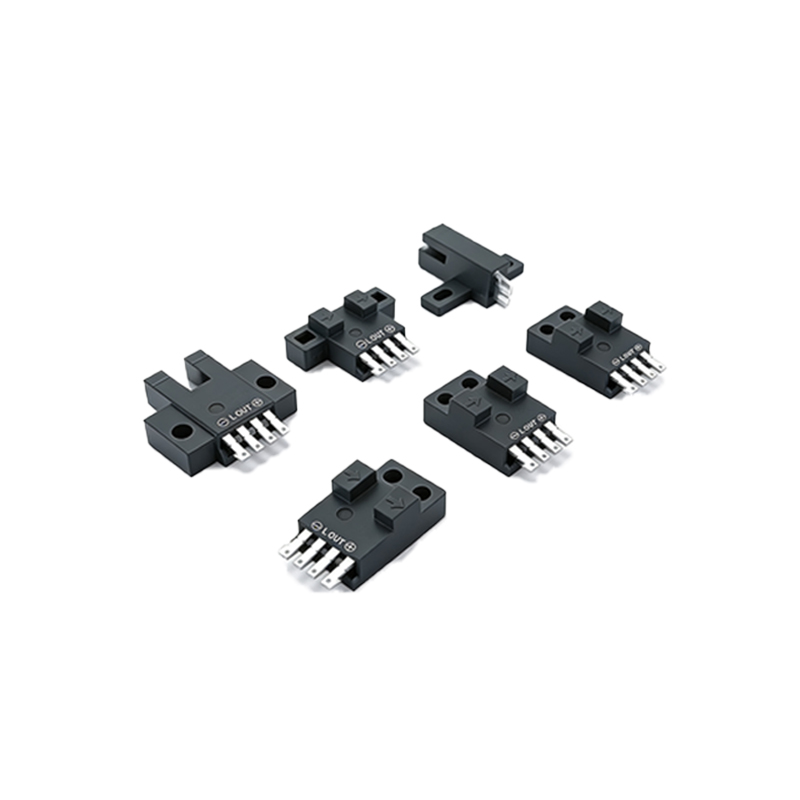
Photoelectric sensors operate in three fundamental modes, defined by the arrangement of the emitter and receiver. The through-beam mode, also known as the opposed mode, uses separate units for the emitter and receiver, positioned directly opposite each other. Detection occurs when an object breaks the beam. This mode offers the longest sensing ranges and highest reliability. The retro-reflective mode combines the emitter and receiver in a single housing, using a reflector to bounce the light beam back. The object is detected when it blocks this return path. Finally, the diffuse reflective mode has both elements in one unit, detecting light reflected directly off the target object itself, making it ideal for sensing at shorter distances without a separate reflector.
Advantages Over Contact Sensors
The non-contact nature of photoelectric sensors delivers several critical benefits. Firstly, it eliminates mechanical wear and tear, leading to dramatically longer service life and reduced maintenance costs compared to mechanical limit switches. Secondly, it allows for extremely high-speed detection, capable of sensing objects moving at velocities far beyond the capability of any physical switch. Thirdly, they can detect virtually any material—metal, plastic, glass, wood, or liquid—as long as it affects the light beam. This material independence is a key differentiator from inductive proximity sensors. Furthermore, they offer greater flexibility in mounting and can sense over longer distances.
Key Application Areas
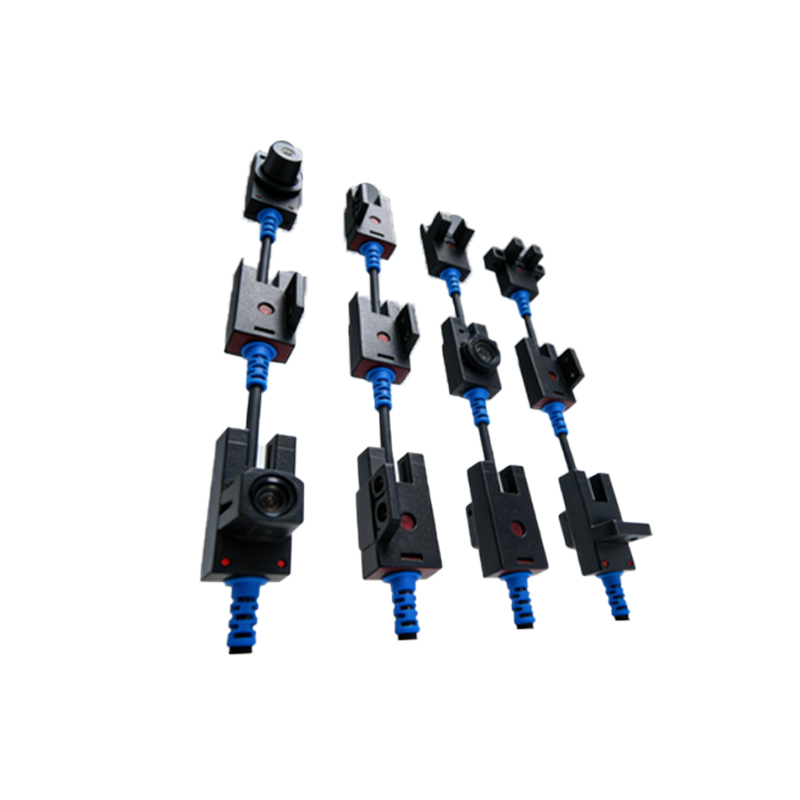
The applications for photoelectric sensors are vast and varied. In packaging machinery, they are used for label detection, cap placement verification, and product counting on high-speed conveyors. In the automotive industry, they ensure precise positioning of robotic arms and verify the presence of components. Within logistics and warehousing, they facilitate object detection on sorting lines and palletizing systems. They also play a crucial role in safety systems, such as light curtains that protect personnel around hazardous machinery. Their ability to detect transparent objects, like glass bottles or plastic films, is a unique capability leveraged in bottling and packaging lines.
Selection and Installation Considerations
Selecting the right photoelectric sensor requires careful analysis of the application. Key factors include the sensing distance required, the size and material of the target, the required response speed, and the environmental conditions. Factors like ambient light, dust, fog, or temperature extremes can affect performance. For instance, sensors with modulated light and specialized filters are used to combat ambient light interference. Proper alignment is crucial for through-beam and retro-reflective types, while diffuse sensors require consideration of the target's color and reflectivity. Modern sensors often feature built-in diagnostics like LED status indicators for easier setup and troubleshooting.
Future Trends and Innovations
The evolution of photoelectric sensors continues to align with Industry 4.0 trends. Modern sensors are becoming smarter and more connected. Features like IO-Link communication allow for bidirectional data exchange, enabling remote configuration, detailed diagnostics, and process parameter monitoring. Sensor fusion, combining photoelectric sensing with other technologies like vision or distance measurement, is creating more intelligent and adaptive systems. Furthermore, advancements in laser diode and receiver technology are pushing the boundaries of precision, allowing for the detection of extremely small objects or measurements at sub-micron levels, opening new frontiers in electronics and semiconductor manufacturing.