Introduction to Photoelectric Sensors
Photoelectric sensors are essential components in modern industrial automation, utilizing light beams to detect the presence, absence, or distance of objects. These sensors operate by emitting a light source—typically infrared, visible red, or laser—and measuring the reflection or interruption of that light. Their versatility allows them to function in diverse environments, from clean rooms to harsh manufacturing floors. By converting optical signals into electrical outputs, photoelectric sensors enable precise control in machinery, enhancing efficiency and safety. This technology forms the backbone of many automated systems, including packaging lines, material handling, and quality inspection processes, where reliable object detection is critical for operational success.
High Precision and Accuracy
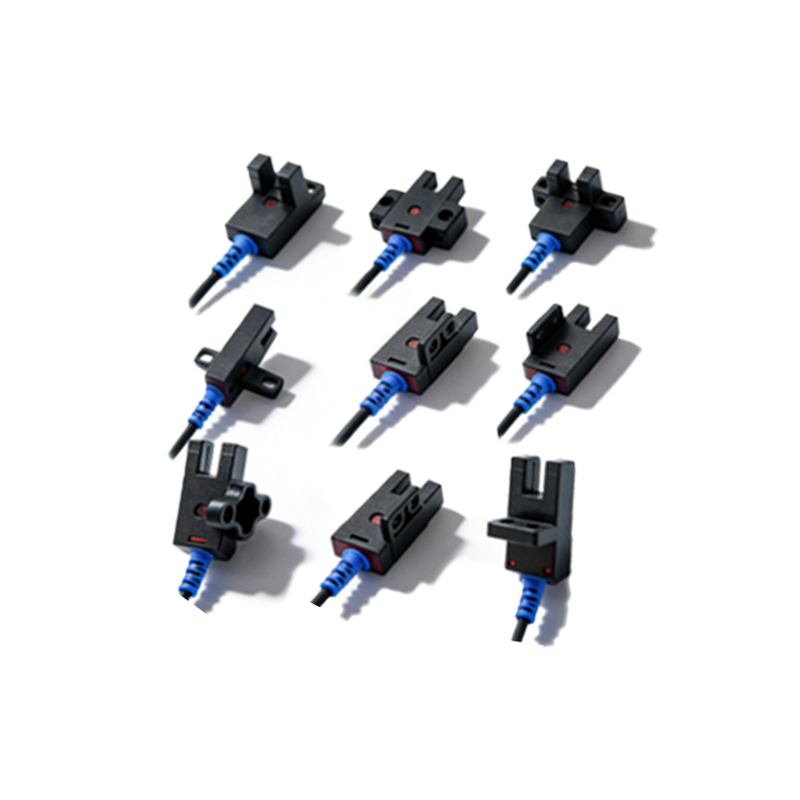
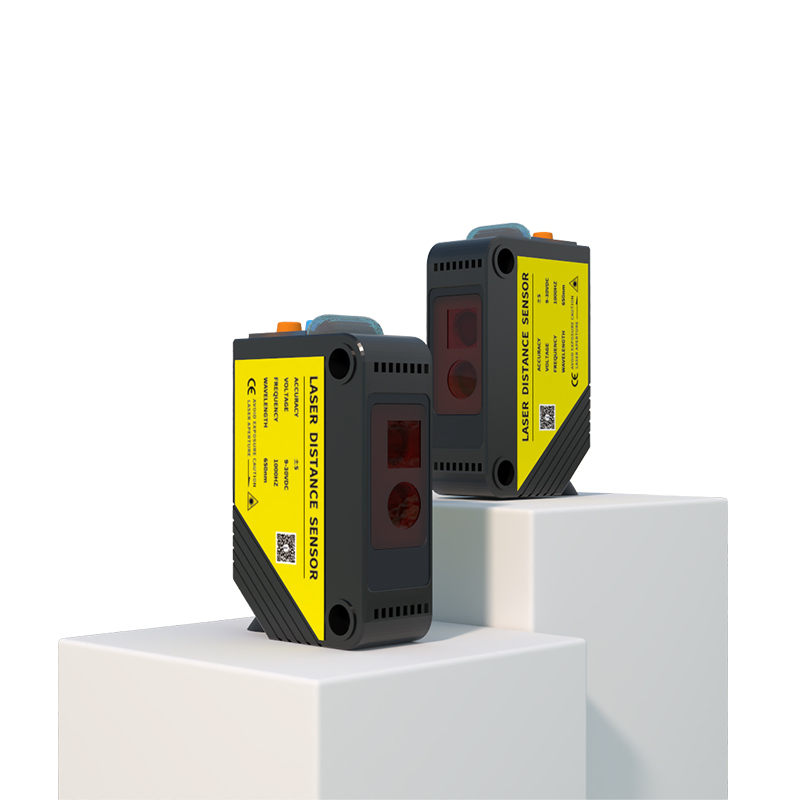
One of the standout features of photoelectric sensors is their exceptional precision and accuracy. These sensors can detect objects as small as a fraction of a millimeter, making them ideal for applications requiring fine detail, such as electronic component assembly or pharmaceutical packaging. Advanced models offer adjustable sensing ranges and sensitivity settings, allowing engineers to tailor performance to specific tasks. The use of focused light beams minimizes false triggers from ambient conditions, ensuring consistent readings even in dynamic environments. This high level of accuracy reduces errors in production lines, leading to improved product quality and lower waste rates.
Long Sensing Ranges
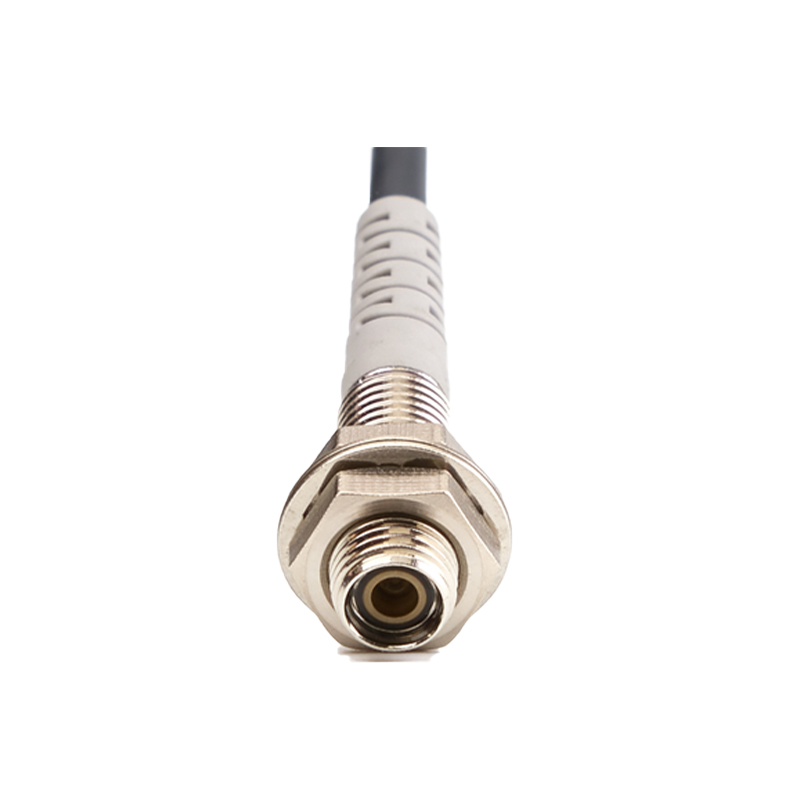
Photoelectric sensors are renowned for their ability to detect objects over considerable distances, far surpassing other sensor types like inductive or capacitive sensors. Depending on the design—such as through-beam, retro-reflective, or diffuse reflective models—ranges can extend from a few centimeters to several meters. For instance, through-beam sensors, which separate the emitter and receiver, can achieve ranges up to 100 meters or more, suitable for large-scale industrial setups. This long-range capability enables flexible installation in expansive facilities, such as warehouses or conveyor systems, without compromising detection reliability.
Fast Response Times
In high-speed industrial operations, response time is crucial for maintaining throughput and preventing bottlenecks. Photoelectric sensors excel in this area, with response times often measured in microseconds. This rapid detection allows them to keep pace with fast-moving production lines, such as in bottling plants or automotive manufacturing, where objects pass by at high velocities. The quick feedback loop ensures timely activation of downstream processes, like sorting or robotic handling, enhancing overall system efficiency. This feature is particularly valuable in industries where even minor delays can lead to significant productivity losses.
Durability and Environmental Resistance
Industrial environments often expose equipment to dust, moisture, vibrations, and temperature extremes. Photoelectric sensors are designed to withstand these challenges, featuring robust housings made from materials like stainless steel or rugged plastics. Many models are rated with ingress protection (IP) codes, such as IP67 or IP69K, indicating resistance to water and dust ingress. Additionally, they can operate reliably across wide temperature ranges, from freezing conditions to high-heat areas. This durability minimizes downtime and maintenance needs, ensuring continuous operation in demanding settings like food processing or outdoor logistics.
Versatility in Detection Modes
The adaptability of photoelectric sensors stems from their multiple detection modes, each suited to different applications. Through-beam sensors offer the highest reliability for long-range detection, while retro-reflective types use a reflector to bounce light back, simplifying alignment. Diffuse reflective sensors detect objects by measuring light scattered directly from the target, ideal for close-range tasks. Background suppression and foreground suppression variants ignore distant or nearby objects, respectively, providing precise control in complex scenarios. This versatility allows engineers to select the optimal mode for specific needs, from transparent material detection to color recognition.
Easy Installation and Integration
Modern photoelectric sensors are designed for user-friendly installation and seamless integration into existing systems. Features like adjustable mounting brackets, clear status indicators (e.g., LED lights for alignment), and plug-and-play connectivity simplify setup. Many sensors support standard industrial communication protocols, such as IO-Link or Ethernet/IP, enabling real-time data exchange with programmable logic controllers (PLCs). This ease of integration reduces commissioning time and costs, allowing for quick upgrades or expansions in automation networks. Additionally, compact designs facilitate installation in space-constrained areas without sacrificing performance.
Energy Efficiency and Low Maintenance
Photoelectric sensors contribute to sustainable industrial practices through their energy-efficient operation. By consuming minimal power, they help reduce overall energy costs and environmental impact. Their solid-state construction, with no moving parts, leads to long service lives and low maintenance requirements. Unlike mechanical sensors, they are less prone to wear and tear, resulting in fewer replacements and lower lifecycle costs. Regular cleaning of lenses and periodic calibration are typically the only upkeep needed, making them a cost-effective choice for long-term applications.
Conclusion on Industrial Value
In summary, photoelectric sensors offer a combination of precision, range, speed, durability, and versatility that makes them indispensable in industrial automation. Their ability to perform reliably under tough conditions while integrating easily into complex systems underscores their value across sectors like manufacturing, logistics, and robotics. As technology advances, features like smart sensing with IoT connectivity are further enhancing their capabilities, paving the way for smarter, more efficient factories. By leveraging these key features, industries can achieve higher productivity, safety, and quality in their operations.