Introduction to M8 Inductive Proximity Sensors
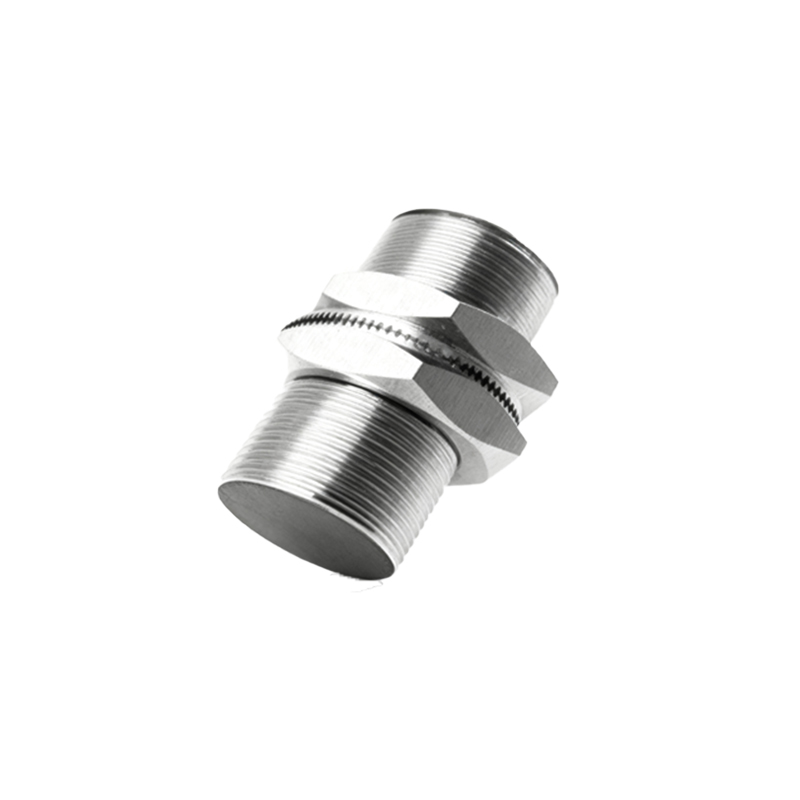
M8 inductive proximity sensors are compact, non-contact sensing devices widely used in industrial automation for detecting metallic objects. Characterized by their 8mm threaded cylindrical housing, these sensors operate on the principle of electromagnetic induction. When a metallic target enters the sensor's electromagnetic field, it induces eddy currents within the target, causing a change in the sensor's oscillation amplitude. This change is detected by the internal circuitry, which then switches the output state. Their robust construction, typically featuring brass or stainless steel housings with PBT sensing faces, makes them exceptionally durable in harsh environments involving dust, coolant, and mechanical impact. The M8 form factor offers an ideal balance between size and sensing range, making them a preferred choice for space-constrained applications on machinery, conveyor systems, and robotic cells.
Key Operating Principles and Technology
The core technology behind an M8 inductive sensor is a tuned oscillator circuit that generates a high-frequency electromagnetic field at its active face. In the absence of a target, the oscillator runs freely. When a ferrous or non-ferrous metal object enters this field, the energy loss due to eddy currents dampens the oscillation. A subsequent trigger circuit monitors this amplitude change. Once the damping reaches a predefined threshold, the circuit activates the solid-state output switch (typically PNP or NPN). It is crucial to note that these sensors only detect metals; non-metallic materials like plastic, wood, or liquids do not affect the electromagnetic field and thus cannot be detected. The standard sensing range for an M8 sensor is up to 2mm, though this can vary slightly based on the target material's properties and size.
Electrical Specifications and Output Configurations
M8 inductive sensors are available in various voltage ranges, with 10-30V DC being the most common for industrial use. They offer multiple output types to interface seamlessly with Programmable Logic Controllers (PLCs), counters, and other control systems. The two primary transistor output types are PNP (sourcing) and NPN (sinking), often available in normally-open (NO) or normally-closed (NC) configurations. A key feature is the short-circuit and reverse polarity protection integrated into most models, enhancing reliability and preventing damage during installation. Many modern M8 sensors also incorporate an LED status indicator, providing visual confirmation of power and output switching. When selecting a sensor, matching the output configuration to the input module of the controller is paramount to ensure proper system operation.
Mechanical Design and Environmental Ratings
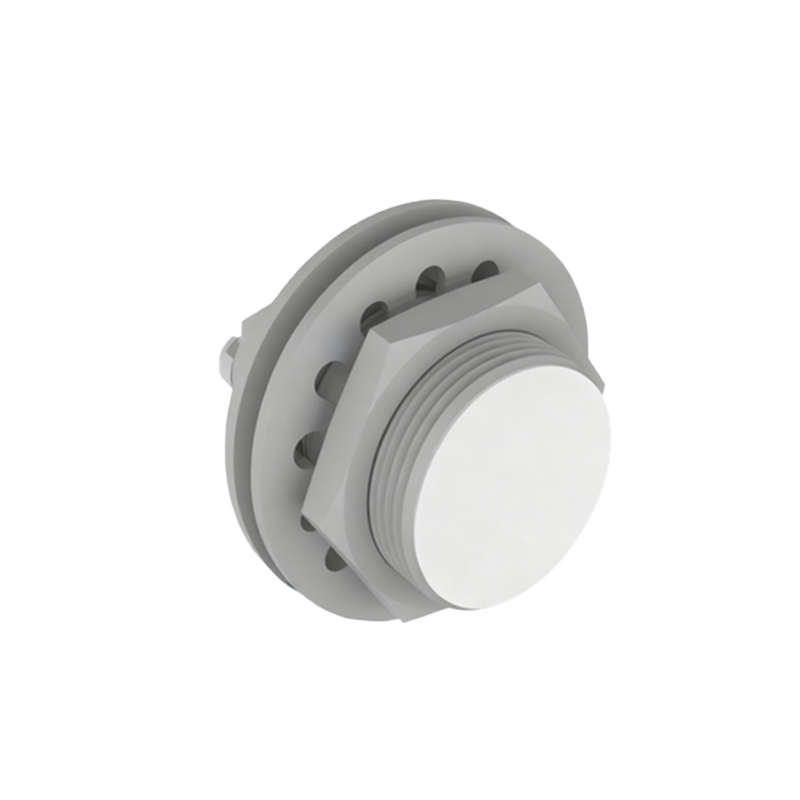
The mechanical design of M8 sensors is engineered for resilience. The threaded M8 x 1 barrel allows for easy mounting in standard nuts or brackets. High-quality models feature IP67 or IP68 ingress protection ratings, signifying complete protection against dust and the ability to withstand temporary or prolonged immersion in water. This makes them suitable for washdown areas in food and beverage or pharmaceutical industries. The sensing face material is critical; ceramic faces offer superior resistance to abrasive wear, while PBT plastic is common for general purposes. Additionally, sensors are available in shielded (flush-mountable) or unshielded (non-flush) versions. Shielded sensors can be mounted flush in metal without affecting their sensing field, whereas unshielded types offer a slightly longer sensing range but require a non-metallic surrounding.
Application Examples in Modern Industry
The versatility of M8 inductive proximity sensors lends them to countless applications. In automated assembly lines, they are used for part presence verification, ensuring a component is in place before a robotic weld or screwdriving operation. On packaging machinery, they detect the position of metallic cams or flags on rotating shafts for precise speed and position control. Within robotic grippers, these sensors confirm whether a metallic tool or part is successfully grasped. They are also indispensable in metalworking for tool breakage detection on CNC machines or for monitoring the end-of-travel position of slides and cylinders. Their small size is particularly advantageous in dense control panels or compact machinery where space is at a premium.
Installation Best Practices and Troubleshooting
Correct installation is vital for optimal performance. The sensor should be mounted securely to minimize vibration, which can cause false triggering. Maintaining the recommended sensing distance from the target is crucial; a margin of 10-20% less than the rated distance is advised to account for mechanical tolerances and temperature variations. Installers must ensure that only the specified target material passes within the sensing field, as adjacent moving metal parts (like conveyor chains) can interfere. Common issues include failure to detect, which may stem from using an incorrect target material (e.g., aluminum has a reduced