Introduction to Photoelectric Sensing in Test Tubes
In modern industrial automation and laboratory analysis, the precise detection of liquids within test tubes is a critical task. Photoelectric sensors have emerged as the premier solution for this application, offering non-contact, reliable, and highly accurate detection. These sensors operate by emitting a beam of light—typically infrared, visible red, or laser—and detecting changes in the received light intensity. When a test tube is present, and especially when it contains liquid, the light beam is interrupted, refracted, or reflected in a specific manner. This change is interpreted by the sensor's receiver and converted into a clear electrical signal, indicating the tube's presence, absence, or fill level. Their ability to function without physical contact eliminates contamination risks and mechanical wear, making them indispensable in sterile environments like pharmaceuticals, biotechnology, and clinical diagnostics.
Core Working Principles and Technologies
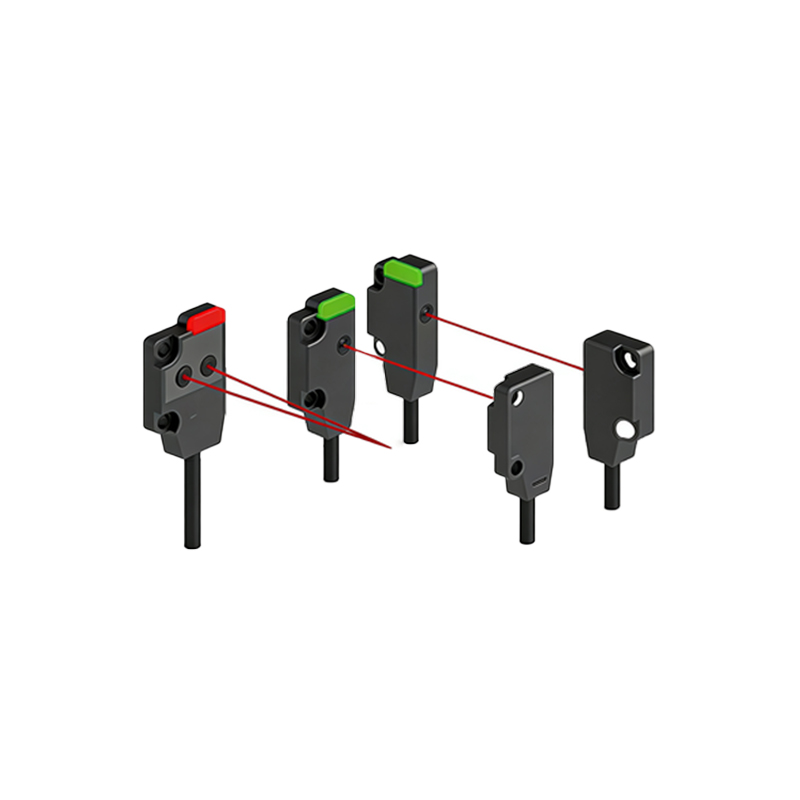
The operation of photoelectric sensors for test tube detection primarily leverages three main modes: through-beam, retro-reflective, and diffuse reflective. Through-beam sensors, with separate emitter and receiver units placed opposite each other, offer the highest reliability and longest sensing range. They detect the complete interruption of the beam by the test tube. Retro-reflective types use a single housing that contains both emitter and receiver, relying on a reflector to bounce the light back. They detect the test tube breaking this beam. The most common for direct tube and liquid detection is the diffuse reflective sensor. Here, the emitted light strikes the test tube or liquid surface, and the sensor detects the scattered reflection. Advanced versions, known as background suppression or convergent beam sensors, can precisely focus on a specific point, ignoring the tube rack or background, which is crucial for detecting clear liquids or low fill levels.
Key Application Areas in Industry and Research
The applications for photoelectric sensors in test tube handling are vast and varied. In automated clinical analyzers, they verify the presence of sample tubes on conveyor tracks before aspiration to prevent needle damage and ensure process integrity. In pharmaceutical production, they monitor fill levels in vials and ampoules during high-speed filling operations, guaranteeing dosage accuracy. Life science laboratories utilize them in liquid handling robots and automated storage systems to inventory sample tubes in freezers or on racks. Furthermore, in packaging lines, these sensors check for the correct placement of vials in blister packs or cartons. Their versatility also extends to quality control, where they can identify cracked or mis-shaped tubes by analyzing the unique light scattering pattern.
Critical Factors for Sensor Selection
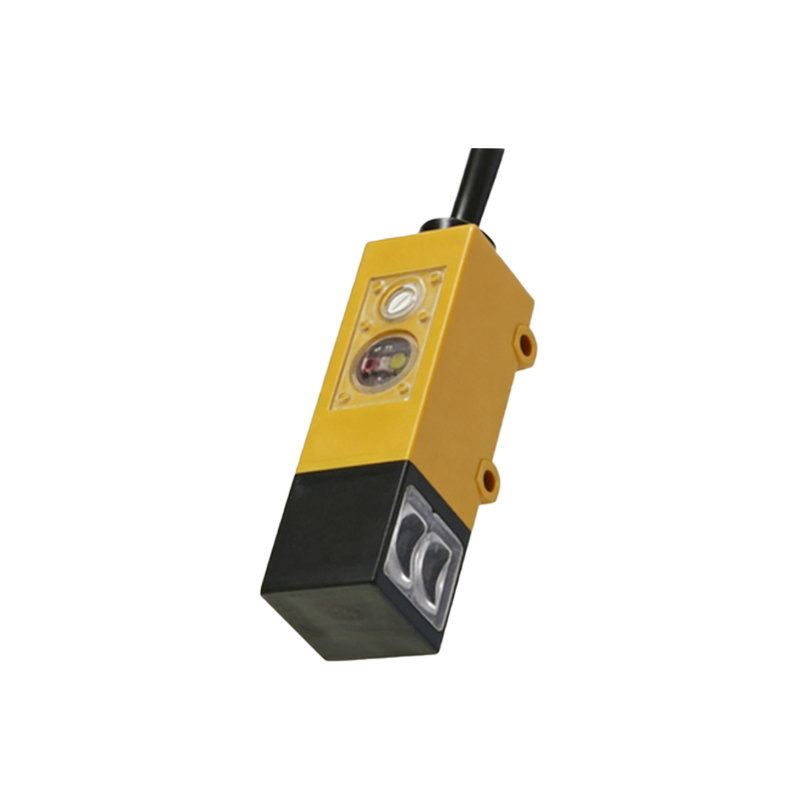
Selecting the optimal photoelectric sensor for a test tube application requires careful consideration of several parameters. The material and color of the test tube are paramount; clear glass or plastic poses a challenge as it may allow most light to pass through. For clear tubes, a focused diffuse or through-beam sensor targeting the liquid meniscus or a specific label area is often necessary. The color and transparency of the liquid itself also affect detection; colored liquids are easier to detect than clear ones. Environmental conditions such as ambient light, temperature, and potential condensation must be accounted for—sensors with modulated LED light and robust housings (IP67/IP69K ratings) are preferred for washdown areas. Finally, the required response time, sensing distance, and output type (PNP/NPN, analog, IO-Link) must align with the speed and communication protocol of the automation system.
Installation, Alignment, and Calibration Tips
Proper installation is crucial for consistent sensor performance. The sensor must be mounted securely to avoid vibration-induced misalignment. For through-beam types, precise optical alignment between emitter and receiver is essential; laser alignment tools can significantly aid this process. When using diffuse sensors, the sensing distance should be set within the specified range, considering the minimal reflectance of the target. Many modern sensors feature built-in sensitivity potentiometers or teach-in buttons for easy calibration on the actual test tube. It is advisable to calibrate the sensor under real operating conditions, including the presence of ambient light and with the specific tube type and liquid to be detected. Regular maintenance checks should include cleaning the lens from dust or droplets that could scatter or block the light beam.
Future Trends and Advancements
The future of photoelectric sensing in test tube applications is being shaped by smarter, more integrated technologies. Sensors with IO-Link digital communication are becoming standard, allowing for remote parameter setting, continuous condition monitoring, and easier integration into Industry 4.0 frameworks. Advanced optics and algorithms are enabling sensors to not only detect presence but also perform simple classifications, such as distinguishing between different liquid colors or identifying tube caps. Furthermore, the miniaturization of components allows for smaller sensor designs that can fit into increasingly compact laboratory automation equipment. The integration of multi-pixel technology and time-of-flight (ToF) principles promises even greater precision in level detection and background discrimination, pushing the boundaries of what is possible in automated liquid handling and analysis.