Defining Capacitive Sensors and Proximity Switches
In the realm of industrial automation, the terms "capacitive sensor" and "proximity switch" are often used, sometimes interchangeably, leading to confusion. Fundamentally, a proximity switch is a broad category of sensors that detect the presence or absence of an object without physical contact. Capacitive sensors fall under this umbrella. They are indeed a specific type of non-contact proximity switch. However, not all proximity switches are capacitive; other primary types include inductive and photoelectric sensors. The core distinction lies in their underlying detection technology and the materials they can sense.
The Operating Principle of Capacitive Sensing
A capacitive proximity sensor operates by generating an electrostatic field. The sensor itself acts as one plate of a capacitor, with the target object acting as the other plate. When an object enters this electrostatic field, it alters the capacitance of the system. The sensor's internal oscillator circuit detects this change in capacitance. Once the change exceeds a pre-set threshold, the sensor's output state switches, signaling the detection of an object. This principle allows capacitive sensors to detect a wide variety of materials, including metals, plastics, glass, wood, and liquids, as long as the material has a dielectric constant different from air.
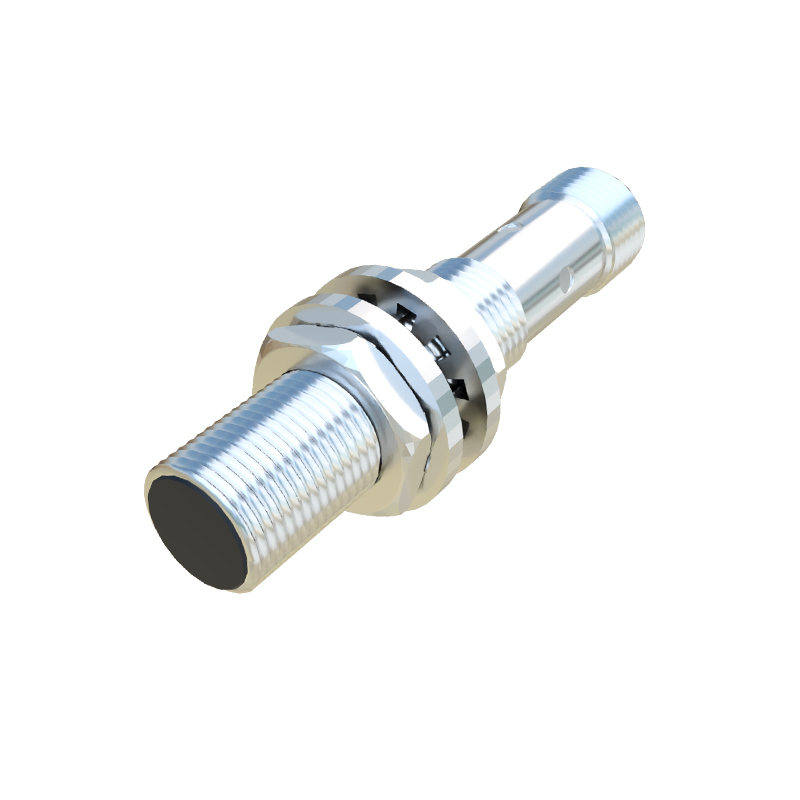
Comparison with Inductive Proximity Switches
To clarify the "proximity switch" classification, a direct comparison with inductive sensors is useful. Inductive proximity switches are another major subtype. They generate an electromagnetic field and can only detect metallic objects (ferrous and non-ferrous). Their operation relies on inducing eddy currents in the metal target. Therefore, while both are non-contact proximity switches, capacitive sensors are material-generalists, and inductive sensors are metal-specialists. This makes capacitive sensors indispensable for applications involving non-metallic substances, such as monitoring plastic bottle levels or detecting wood panels on a conveyor.
Key Application Areas for Capacitive Sensors
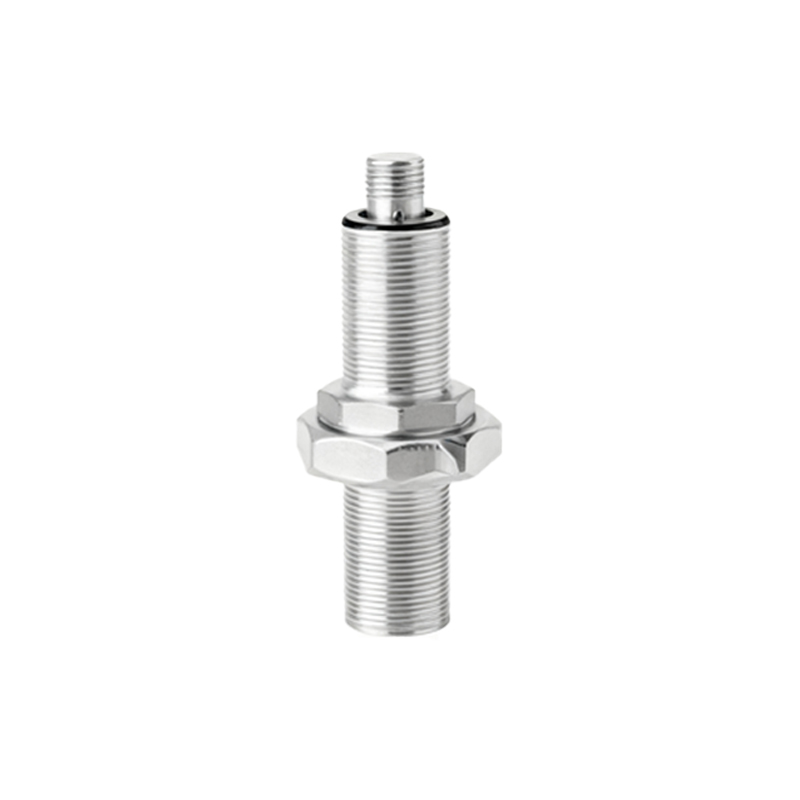
Given their versatility, capacitive sensors serve critical functions across numerous industries. A primary application is level detection for liquids, granules, and powders inside non-metallic containers. They are also extensively used for presence detection of non-metallic objects on assembly lines, such as glass, cardboard, or packaged goods. Furthermore, their sensitivity allows them to detect materials through thin non-metallic walls, enabling sealed-system monitoring. In packaging, they ensure correct fill levels; in woodworking, they confirm board presence; and in food processing, they monitor substance levels in plastic or glass vessels.
Configuration and Sensitivity Adjustment
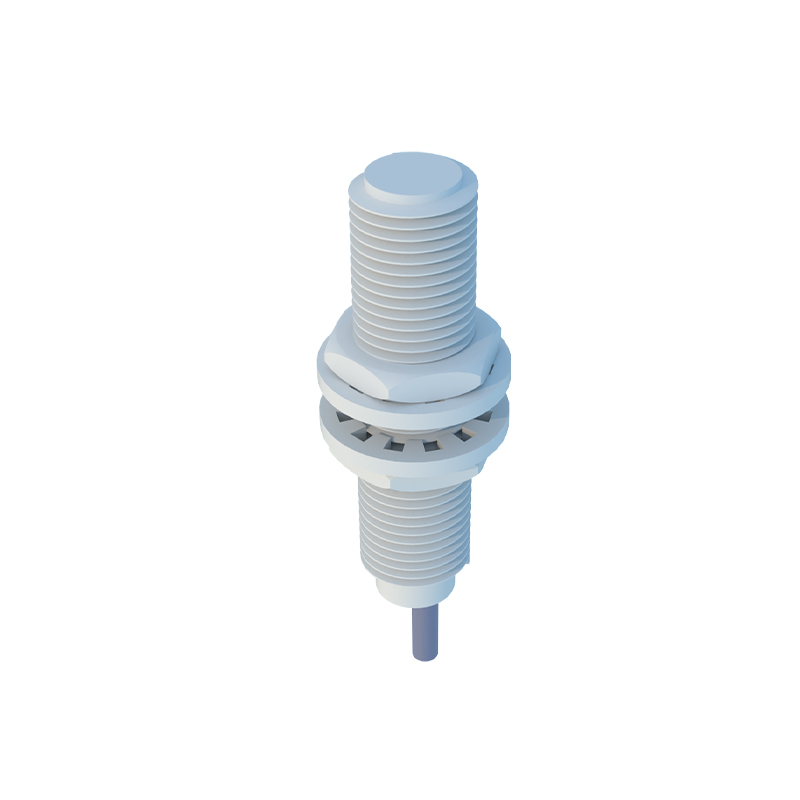
A defining feature of capacitive proximity sensors is their adjustable sensitivity, typically via a potentiometer on the device. This adjustment allows engineers to fine-tune the sensing range and ignore interfering backgrounds, such as the container wall. Proper configuration is crucial. The sensor must be calibrated for the specific target material and installation environment to prevent false triggers from humidity, dust, or other ambient factors. This adjustability provides flexibility but also requires careful setup compared to some fixed-sensitivity inductive switches.
Conclusion: A Vital Subset of Proximity Technology
In conclusion, capacitive sensors are unequivocally a type of proximity switch. They fulfill the core function of non-contact object detection. Their unique value proposition within the proximity switch family is the ability to detect both metallic and non-metallic materials based on their dielectric properties. When the application involves materials like plastics, liquids, wood, or glass, a capacitive sensor is the appropriate choice of proximity switch. Understanding this distinction—that "proximity switch" is the genus and "capacitive sensor" is a species—empowers engineers to select the optimal sensing technology for robustness, reliability, and cost-effectiveness in any automated system.